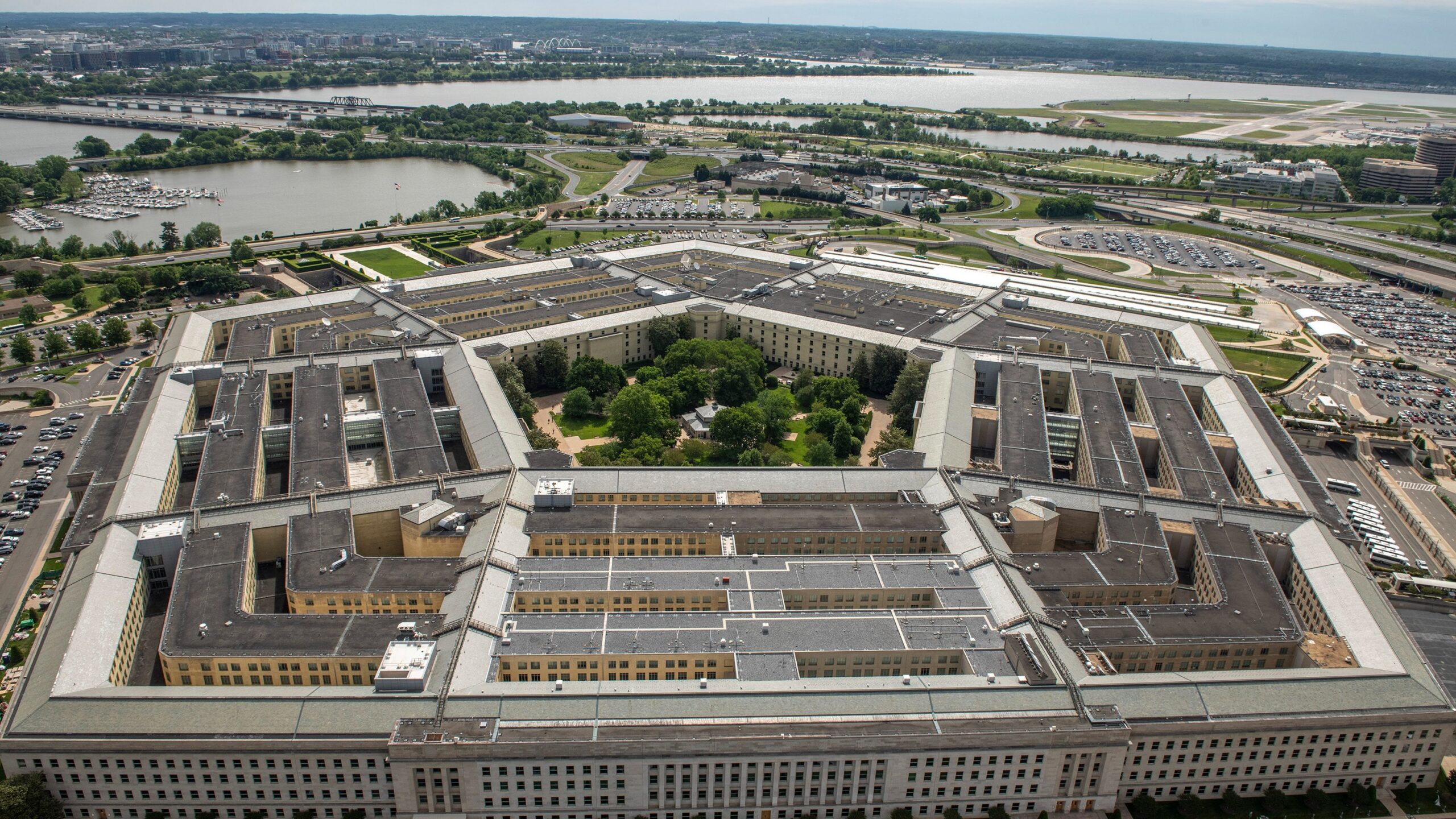
The United States has lost or sustained damage to 39 military aircraft since its war with Iran began roughly 12 weeks ago, Pentagon leaders told the House Appropriations Committee’s Defense Subcommittee in late May 2026. At the same session, lawmakers learned that direct war spending has reached approximately $29 billion and is now climbing at a pace exceeding $2 billion a week. The headline figure of $30 billion sits between the two reported data points: the Associated Press placed the total at about $29 billion as of the late-May hearing, while Bloomberg anchored it at $25 billion as of late April. Whether the number has actually crossed $30 billion depends on accounting methodology and timing that neither outlet’s coverage fully resolves, but the rapid escalation between the two estimates has itself become a flashpoint on Capitol Hill. Together, the disclosures set off pointed, bipartisan questioning of Defense Secretary Pete Hegseth over whether the administration has any plan for ending the conflict before it devours an even larger share of the defense budget.
What the Pentagon told Congress
Three senior officials appeared before the subcommittee: Hegseth; Chairman of the Joint Chiefs of Staff Gen. Dan Caine; and Acting DoD Comptroller Jules W. Hurst III. The committee’s published docket confirms the date, venue, and witness list. (Note: Gen. Caine and Hurst are identified from that docket; their names have not been independently verified against other public records pending release of the official transcript.) Having the Pentagon’s top policy, military, and financial officials under oath at a single table gave appropriators a rare chance to press all three simultaneously on spending, readiness, and the campaign’s trajectory.
The cost curve has steepened sharply. In late April, the Pentagon comptroller told Congress the U.S. had spent $25 billion on the conflict, according to Bloomberg. (Note: this Bloomberg URL was live at the time of publication but sits behind a paywall; readers without a subscription may not be able to access the full article.) By the time Hegseth testified, the Associated Press reported the figure had reached roughly $29 billion. That jump of about $4 billion in under a month points to an acceleration in daily spending that members of both parties flagged during questioning.
To put the numbers in perspective: the early phase of the 2003 Iraq invasion cost the U.S. roughly $4.4 billion per month in incremental war spending during its first year, according to Congressional Research Service estimates. The Iran conflict is burning through more than $8 billion a month, dwarfing that figure even before adjusting for two decades of inflation. Against a base defense budget of roughly $886 billion for fiscal year 2025, the war is on pace to consume a significant and growing share of total military resources.
39 aircraft: what we know and what we don’t
The 39-aircraft figure was disclosed during the hearing by Pentagon witnesses, according to the AP’s account, though the wire report does not specify which official provided it. The number landed hard with appropriators for a straightforward reason: replacing advanced fighters and support platforms is not simply a matter of writing checks. Production lines for aircraft like the F-35 operate on multi-year schedules, and every airframe pulled from service thins the force available for other global commitments, from the Indo-Pacific to NATO’s eastern flank.
Lawmakers pressed for specifics on how many aircraft were destroyed outright versus grounded for battle-damage repair, and whether the total includes manned fighters, drones, tankers, or some combination. Those details have not been made public. The distinction matters: combat losses would signal the lethality of Iranian air defenses, while operational accidents would point to maintenance and logistics strain that could worsen as the campaign grinds on. Until the Pentagon or the committee publishes a breakdown, outside analysts are left estimating.
Whether 39 aircraft lost or damaged in 12 weeks is historically unusual is difficult to judge without that breakdown. During the opening phase of the 2003 Iraq invasion, the U.S. lost relatively few fixed-wing aircraft to enemy fire over a comparable period, in part because Iraqi air defenses had been degraded over a decade of no-fly-zone enforcement. Iran’s integrated air-defense network is widely regarded as far more capable, but without knowing how many of the 39 were combat losses versus operational incidents, a direct comparison would be speculative. The figure is large enough to have alarmed appropriators on both sides of the aisle, and several members pressed the witnesses for historical benchmarks that the Pentagon has not yet provided publicly.
Bipartisan pressure on the hearing room floor
The AP described bipartisan questioning of Hegseth but did not name individual lawmakers. The subcommittee’s membership is public: it is chaired by a Republican appropriator and includes senior Democrats. According to the AP, members from both sides pressed Hegseth on how long the current spending tempo could be sustained without either new supplemental appropriations or cuts to other defense priorities. No official transcript has been released as of early June 2026, so specific questions cannot be quoted verbatim, but the AP characterized the session as a bipartisan confrontation over the Pentagon’s lack of a clear end state.
Hegseth and his colleagues defended the operations as necessary to contain Iranian aggression but offered few specifics on what success looks like or when the tempo might ease. That vagueness appeared to frustrate members on both sides of the aisle, several of whom, according to the AP, signaled that patience with open-ended funding is running thin.
Where the money is going
The hearing confirmed that the Defense Department is burning through precision munitions, aerial-refueling capacity, and intelligence, surveillance, and reconnaissance assets to sustain continuous air and naval operations against Iran. Hurst was repeatedly asked whether current stockpiles and production lines can keep pace if the conflict stretches into a second year. He told lawmakers the department is “managing risk,” but members from both parties voiced concern that the strain is already squeezing procurement schedules for programs unrelated to the war.
How much of the spending has been covered by reprogramming existing defense funds versus drawn from new emergency appropriations remains unclear. Several lawmakers alluded to internal budget shifts within the Pentagon, but without detailed reprogramming notifications or line-item breakdowns, the downstream effects on shipbuilding, readiness accounts, and domestic base maintenance are largely hidden from public view. Whether the headline cost figure includes munitions replacement, fuel, personnel deployment bonuses, or allied reimbursements also cannot be independently broken down from available reporting.
Appropriators weigh binding oversight before the August recess
Appropriators now face a concrete choice before the August recess. They can attach new reporting requirements or spending conditions to the next defense funding vehicle, forcing the Pentagon to disclose detailed cost breakdowns and aircraft-loss categories on a regular schedule. Or they can continue funding operations largely on trust while waiting for the transcript and written testimony that would let them dissect the numbers in detail.
Several members signaled during the hearing that they are leaning toward the first option. The next round of testimony, expected before Congress leaves Washington in August, will test whether lawmakers follow through with binding oversight mechanisms or settle for sharper questions and the same vague answers. With costs accelerating and aircraft losses mounting, the political space for patience is narrowing fast on both sides of the aisle.