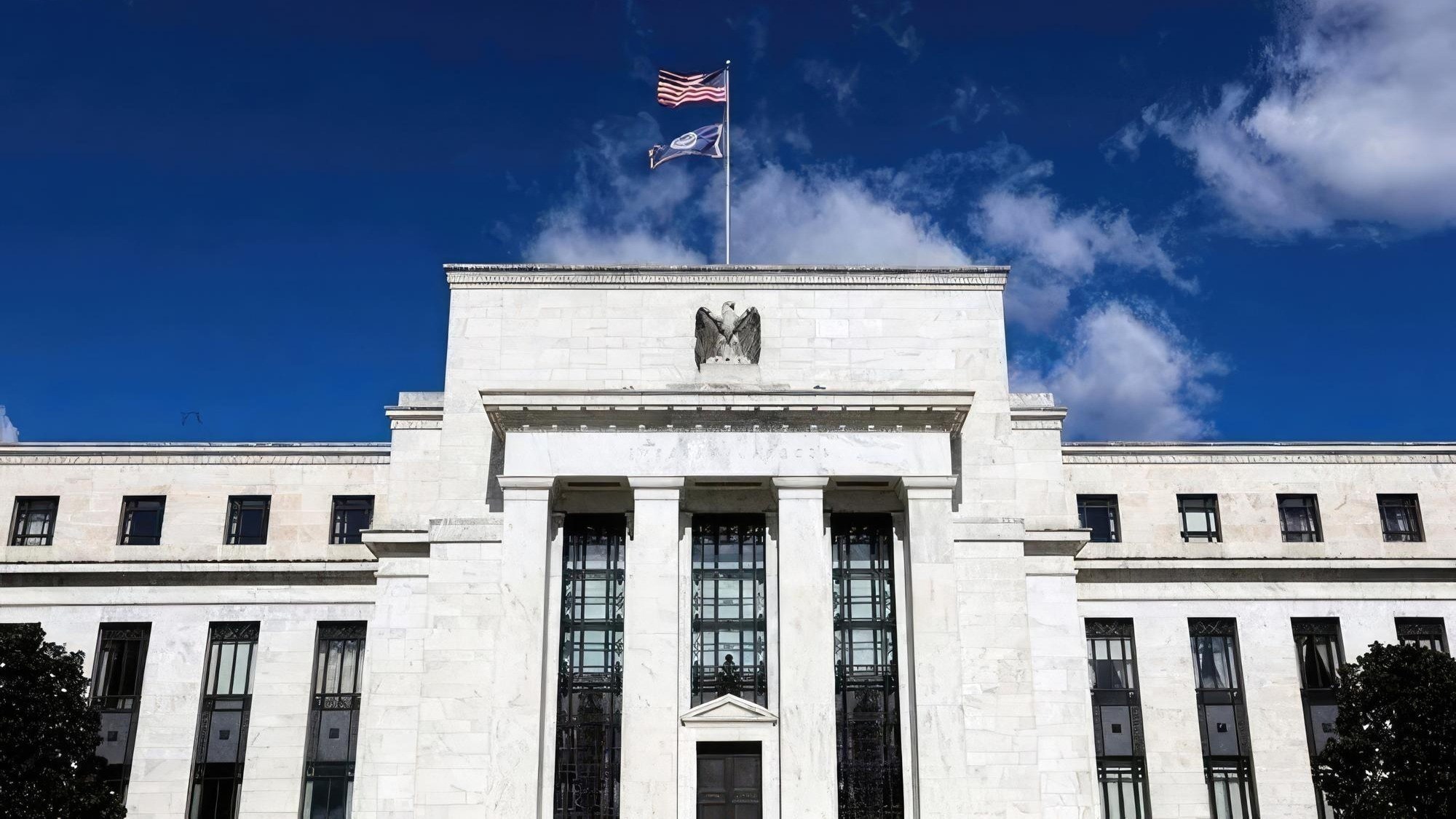
The Federal Reserve raised its benchmark interest rate on Sept. 16, and the certificate-of-deposit market has already priced it in. A savings-account holder shopping a one-year CD tonight can find a published rate above 4% at more than one bank, a threshold that had been harder to clear before the Fed’s latest move. The increase itself, and where it has actually shown up in bank rate tables, are two separate things worth checking against each institution’s own numbers rather than a single headline rate.
A Quarter-Point Increase, Confirmed On The Record
The Federal Open Market Committee raised the target range for the federal funds rate by a quarter of a percentage point, to 3.75%-4.00%, at its meeting on Sept. 16, 2026, according to the Federal Reserve’s own statement. The Committee said the move would “support a timelier return” to its 2% inflation goal, noting that inflation “remains elevated” even as the broader economy kept expanding. The Fed’s next scheduled meeting falls on Oct. 27-28, 2026, according to the NerdWallet’s report on the rate decision, which gives banks roughly six weeks to set CD pricing before the next possible move.
What the rate hike doesn’t sort out: A 12-month CD paying above 4% generates a bigger 1099-INT next tax season than the same account paid a year ago, and neither the Fed’s Sept. 16 statement nor a bank’s own rate page works out what that extra interest does to a Medicare premium bracket. See the IRMAA-tier calculator in The Retirement Tax & Withdrawal Planner.
What A 12-Month CD Actually Pays Tonight
Sallie Mae Bank’s published rate table lists its 12-month CD at 4.30% APY, effective Sept. 25, 2026, with a $2,500 minimum deposit, according to the bank’s own rate table. Marcus by Goldman Sachs, by contrast, lists its 12-month High-Yield CD at 3.90% APY, effective Sept. 24, 2026, on its CD-rates page — below the 4% mark even after the Fed’s increase. The gap between those two banks is the point: “top” one-year rates, not every bank’s one-year rate, have cleared 4%, which is why comparing more than one institution’s current table matters more now than it did when nearly every advertised rate sat in the same narrow band.
Rates Climb Further The Longer The Term
The pattern extends past 12 months. Sallie Mae’s own table pays 4.35% at 13 months and 4.40% at 15 through 30 months, and Marcus pays 4.35% on terms from 18 months out to six years, both banks’ rate tables show. NerdWallet counted roughly 100 banks and credit unions raising CD rates in August 2026, up from about 60 in July and about 35 in June, according to its Sept. 16, 2026 report, which also cited Synchrony Bank’s 16-month CD at 4.30% APY, Bread Financial’s 9-month CD at 4.30% APY, and Wealthfront’s cash account paying up to 4.55%. A saver locking in only 12 months at the current top rate is, in most of the tables read tonight, still giving up a few tenths of a point compared with going slightly longer — a tradeoff between liquidity and yield that did not exist in the same way when most terms paid close to the same rate.
The Tax Bill That Comes With The Higher Payout
A higher CD rate also means a larger taxable-interest line. The IRS treats interest credited on a bank account, money market account or certificate of deposit as taxable income in the year it becomes available, and a bank must send a Form 1099-INT for $10 or more in interest paid, according to the IRS’s Tax Topic 403. Interest is reportable, the same guidance notes, even when no 1099-INT arrives because the amount fell under that threshold. For a retiree who moved savings into a 12-month CD specifically because the rate finally cleared 4%, that means next spring’s return carries a bigger ordinary-income number than the account did a year earlier, on top of whatever the CD itself is worth at maturity.
What A Bigger 1099-INT Doesn’t Explain
Sallie Mae Bank’s 12-month CD at 4.30% APY and Marcus’s 9-month CD at 4.30% both pay more interest than the same accounts did before the Fed’s Sept. 16 increase, and that extra interest counts as ordinary taxable income the year it posts, not a capital gain taxed at a lower rate. Neither bank’s rate table nor the Fed’s own statement addresses how that additional interest income moves the rest of a retirement tax picture, including how much of a Social Security benefit ends up taxable.
The Retirement Tax & Withdrawal Planner works through the provisional-income and IRMAA-tier calculators alongside the senior deduction, showing how a year of higher interest income shifts those numbers.
Run this year’s interest total through the provisional-income calculator in The Retirement Tax & Withdrawal Planner.
This article was produced with AI assistance and checked against the primary sources linked above.