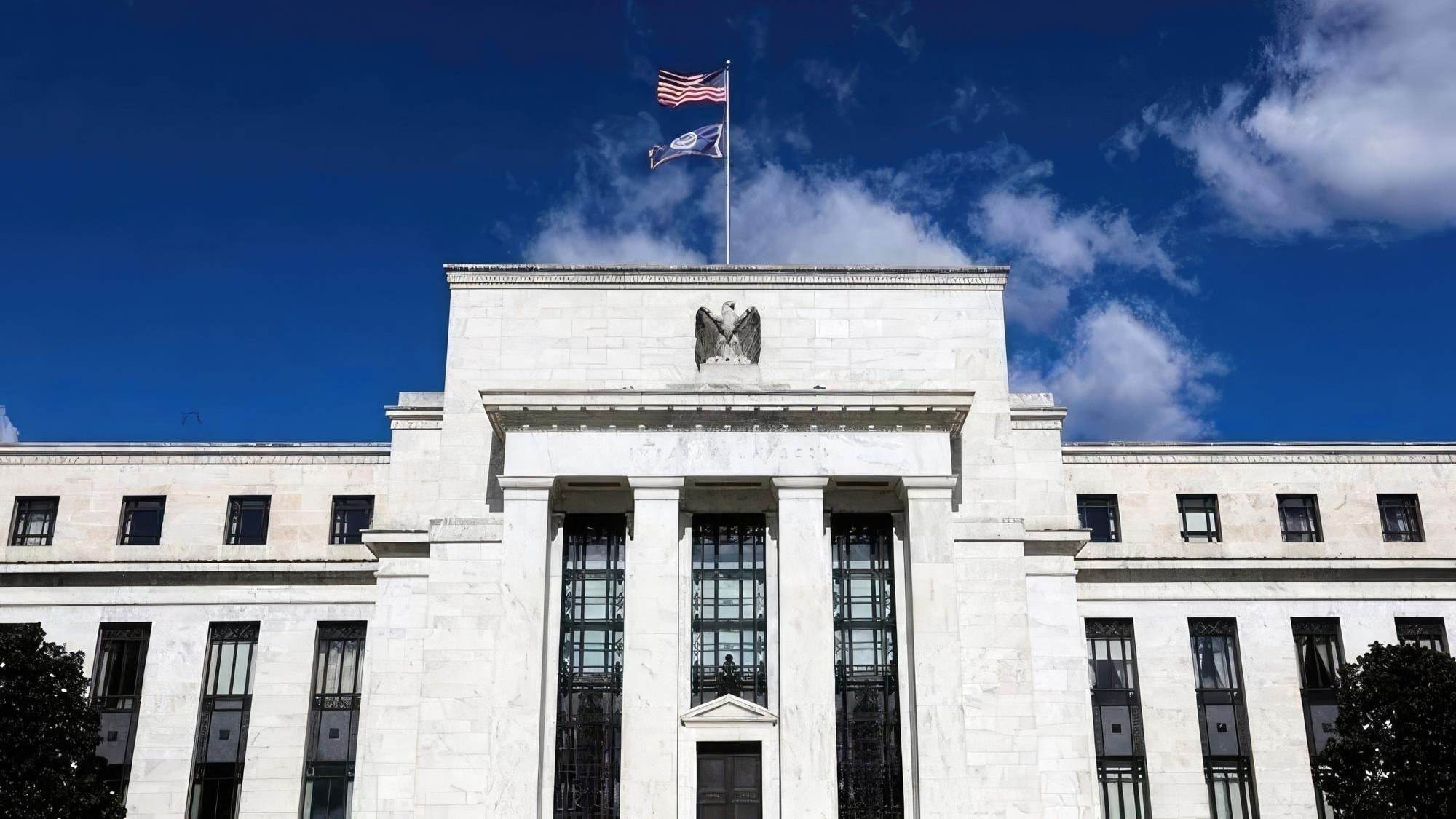
The same Federal Reserve decision that just made credit-card and home-equity debt more expensive is working in the opposite direction for savers. After the Fed raised its benchmark rate on September 16, 2026, banks and credit unions began repricing what they pay on savings accounts and certificates of deposit, following a pattern that has held through past tightening cycles. The increase is uneven and not instant, but the direction is the same one policymakers just set in motion.
A Rate Increase That Cuts Both Ways
Interest rates on deposit accounts are not set by the Fed directly, any more than credit-card rates are. What the Fed controls is the federal funds rate, the rate banks charge each other for overnight loans, and a related set of tools that anchor short-term rates across the financial system.
The Federal Open Market Committee raised the federal funds target range a quarter point to 3.75-4.00 percent, effective September 17, according to its September 16 statement. In a companion implementation note, the Board of Governors also raised the interest rate paid on bank reserve balances to 3.90 percent, the rate that anchors much of the short-term money market, including the money-market mutual funds many retirees hold alongside or instead of a traditional savings account.
Free download: The 2026 estimated-tax and RMD dates, Medicare enrollment deadlines, and a checklist to stay ahead of penalties. Download the free retirement deadline calendar.
Why Deposit Yields Tend to Follow the Fed
Banks compete for deposits the same way they compete for any other funding source, and when the cost of borrowing from other banks or the Fed’s own facilities rises, offering a more competitive savings or CD rate becomes a cheaper way to attract cash than it was before the increase. That competitive pressure is why deposit rates have historically tracked the direction of the federal funds rate over a tightening cycle, even though no rule requires any individual bank to move.
The pass-through is not automatic or immediate. A traditional bank with a large, stable base of checking and savings customers has less incentive to raise what it pays quickly, while an online-only bank or credit union competing primarily on rate has a stronger reason to reprice within days of a Fed move.
Not Every Account Moves at the Same Speed
Newly opened or newly renewed certificates of deposit are the fastest to reflect a higher rate environment, since a bank sets the yield on a new CD at the moment it is issued. An existing CD, by contrast, keeps the rate it was opened at until it matures, so a saver locked into a CD from earlier in the year will not see any benefit from this increase until that certificate comes up for renewal.
Variable-rate savings and money-market accounts sit in between: a bank can adjust the rate at any time, but most take days to weeks to decide how much of an increase to pass on to existing customers, and by how much, rather than moving in lockstep with the Fed’s own timeline.
Where to Check What a Bank Is Actually Paying
Because the pass-through varies so much by institution, the advertised rate at any single bank says little about the broader trend. The FDIC’s National Rates and Rate Caps data, published monthly, tracks average deposit rates across federally insured institutions and is the government’s own benchmark for what a “typical” savings or CD rate looks like nationally, as opposed to what any one bank happens to be advertising. The Fed’s own Selected Interest Rates release tracks the federal funds rate and other short-term benchmarks that ultimately feed into those deposit numbers.
For a saver deciding whether to lock in a new CD now or wait, comparing a specific offer against those published averages is a more reliable gauge than assuming every bank has already caught up to Wednesday’s increase.
The saver’s side of a rate increase
A bigger yield on a savings account or CD is easy to celebrate and easy to under-plan for. That extra interest counts as taxable income the same as any other, and for a retiree drawing Social Security, more interest income can push provisional income into a bracket that taxes a larger share of a benefit check, or nudge household income over an IRMAA threshold that reprices Medicare premiums two years later. None of that shows up on the CD’s advertised rate.
The Retirement Tax & Withdrawal Planner is a 12-page planner with four calculators, covering provisional income, IRMAA tier, RMD schedule and Roth bracket fill, built to flag that kind of bracket creep before it reaches a tax return.
Look up how new interest income shifts provisional income and IRMAA brackets in The Retirement Tax & Withdrawal Planner.
This article was researched and drafted with the assistance of AI and reviewed by an editor.