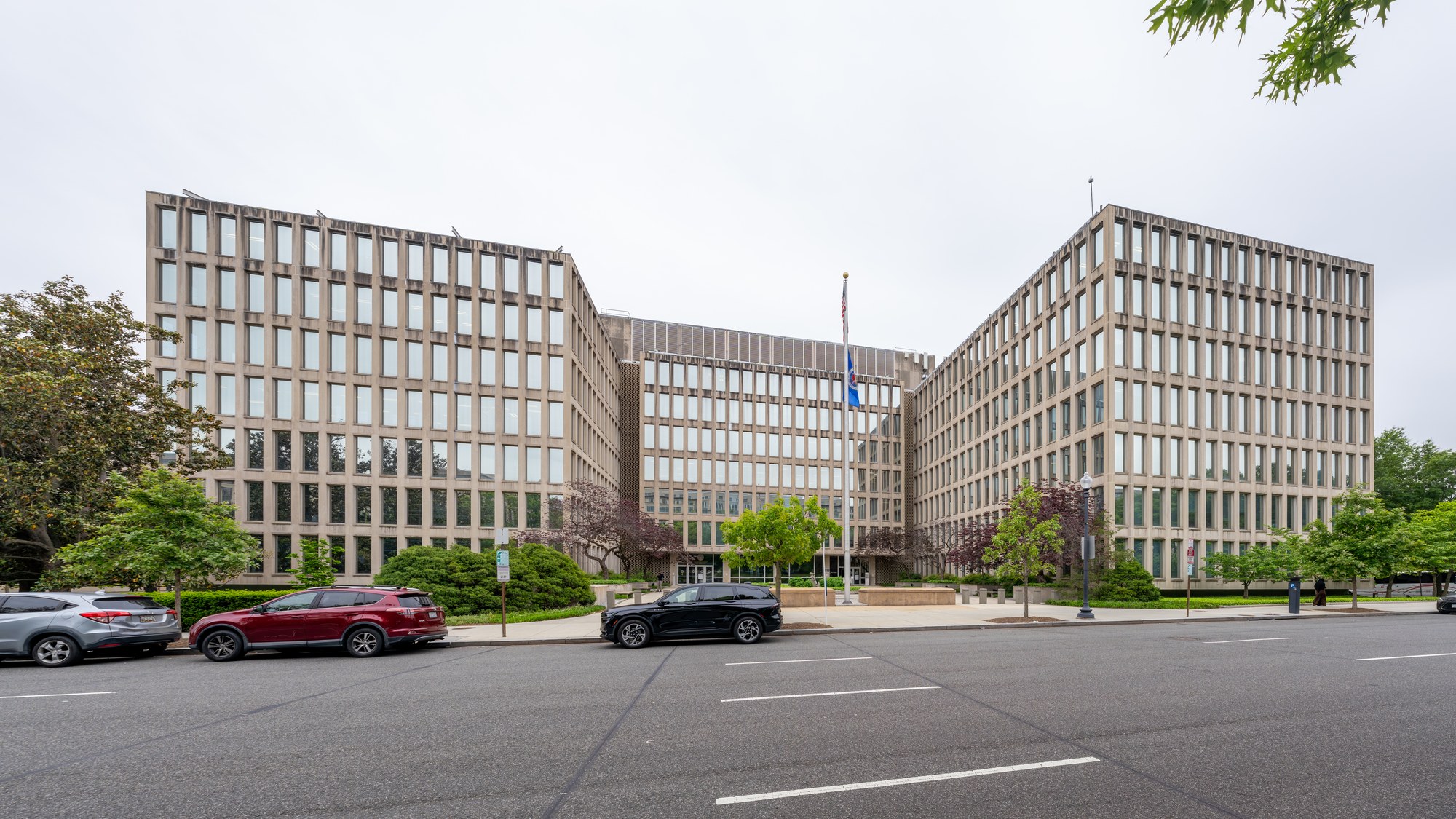
The Office of Personnel Management received just 7,618 new federal retirement claims in August, the fewest of any month in 2026, while the immediate retirements it did process that month took an average of 79 days from filing to payment, according to OPM’s own processing-time data. The claim volume was down sharply from more than 10,000 in July, even as the agency’s total backlog fell to roughly 15,400 cases, its lowest point of the year.
Inside The Retirement Tax & Withdrawal Planner: the account withdrawal order and the RMD schedule calculator cover exactly the gap a federal retiree faces while an annuity claim sits in OPM’s queue. Plan the withdrawal order while the claim is pending →
What OPM’s Own Numbers Show For August
OPM’s retirement-processing-times page lists 79 days as the average for immediate retirements processed in August 2026, according to OPM’s own data. The same page shows other claim types moving at very different speeds: interim pay, the partial payment OPM issues while a full claim is still being worked, takes an average of 6 days; survivor annuity claims take 32 days; and survivor lump-sum claims, the slowest category OPM tracks, take 109 days. OPM describes all four figures as averages, cautioning that an individual case can run longer depending on complications such as a court order, a special computation, an outstanding workers’ compensation claim, missing documentation, or a deferred or postponed application.
OPM’s page also specifies when its own clock actually starts: interim pay processing “starts once OPM receives the complete retirement application package from the agency,” and survivor claims processing works the same way. That detail matters because it puts a step before OPM’s 79-day and 6-day figures that OPM does not measure at all: the time a retiring employee’s own agency takes to assemble and forward a complete package in the first place. A retiree whose paperwork sits incomplete at the agency level is not yet inside either number OPM publishes.
Fewer Claims Came In, And The Backlog Still Fell
Just 7,618 federal employees filed new retirement claims in August, down from more than 10,000 in July and the lowest monthly total of 2026, according to a September 15 report from Federal News Network, which draws on OPM’s own retirement processing status data. Even with fewer new claims to work through, OPM’s backlog of pending cases fell to just over 15,400, also its lowest level of the year, the same report states. Digital claims, filed and processed electronically rather than on paper, moved faster than the overall average: 70 days in August compared with 98 days in July, while the processing time across all claim types combined fell from 109 days in July to the 79-day figure OPM now lists for August.
Why Fewer Claims And A Falling Backlog Can Both Be True
Fewer new claims arriving each month gives OPM’s existing caseworkers more room to work down cases already in the pipeline, which is one straightforward reason both figures moved in the same direction in August. Federal News Network’s own framing of the data put it plainly: August saw the fewest federal employees submit retirement paperwork of any month so far in 2026. Whether that pattern holds into the fall is not something either OPM’s processing-times page or the September 15 report addresses; both describe August as it already happened, not what September or October will look like. Because OPM republishes this same page monthly with the prior month’s figures, the 79-day number itself is a moving target: a federal employee filing in September or October is being measured against whatever caseload OPM is carrying that month, not the August snapshot this article cites.
What A 79-Day Wait Means Between Filing And Full Pay
A federal employee who files for an immediate retirement does not go unpaid for 79 days outright. OPM’s own data shows interim pay, a partial payment based on an estimate of the eventual annuity, running at an average of just 6 days once a complete package reaches OPM, well before the full claim is finished. The gap that matters for a household’s monthly budget is the difference between that partial interim amount and the full annuity a retiree actually filed for, a gap that, per OPM’s own figures, now runs an average of 79 days for immediate retirements and considerably longer, 109 days on average, for a survivor claiming a lump-sum benefit instead. Neither OPM’s page nor Federal News Network’s report states what percentage of the eventual annuity interim pay typically covers, only that it is a partial figure meant to bridge the wait.
For someone counting on a specific monthly annuity amount to cover mortgage, insurance and other fixed costs starting the month after their last paycheck, a 79-day average processing time means roughly two and a half months of relying on a smaller interim payment instead, before the retiree even accounts for whatever time their own former agency took to forward a complete package to OPM in the first place. That stretch is why the specific number OPM reports each month, not just the fact that a backlog exists, is the figure worth checking before assuming a federal retirement claim will move quickly.
The Interim-Pay Gap A Faster Backlog Doesn’t Close
OPM’s own numbers show an immediate retirement claim processed in August took 79 days on average, while a survivor lump-sum claim ran even longer, at 109 days. A retiree living on interim pay during that stretch is typically receiving only a partial percentage of the eventual annuity, and neither OPM’s processing-times page nor the backlog figures address how that shortfall gets covered in the meantime.
The Retirement Tax & Withdrawal Planner’s RMD schedule calculator and account withdrawal order set out which savings source absorbs a stretched-out claim before the full annuity begins.
See the account withdrawal order for the wait in The Retirement Tax & Withdrawal Planner.
This article was produced with AI assistance and checked against the primary sources linked above.