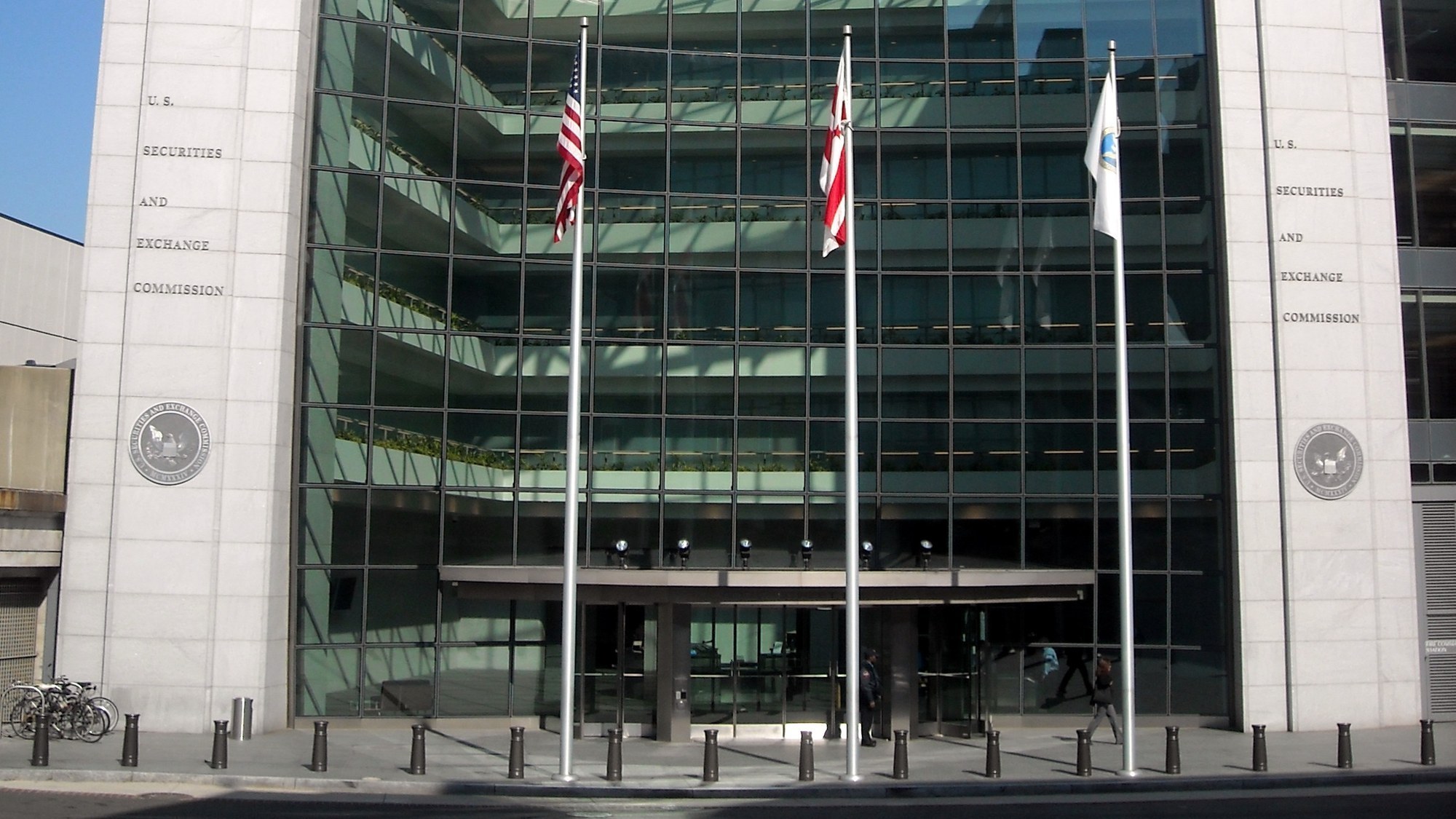
A Philadelphia identity-theft case ended with a 69-month federal sentence and more than $1 million in victim restitution. The scheme used stolen personal records, including those belonging to older people, to seek loans, credit and merchandise in other names.
Stolen records became in-person bank transactions
Charles E. Poole III admitted organizing a network that obtained names, Social Security numbers, birth dates, addresses, credit histories and card information. Recruited participants then posed as victims inside banks, lenders and stores.
The July 22 sentencing release says the records included identities of elderly individuals and that Poole began the scheme while on supervised release for an earlier bank-fraud and identity-theft conviction. He pleaded guilty to multiple fraud, identity-document and access-device offenses.
Free retirement updates: Scam calls targeting retirees change every week. Our free Retirement Shield newsletter flags the ones going around and the one tell that stops each. Sign up free.
The restitution figure and the reported actual loss measure different things
DOJ says Poole caused more than $100,000 in actual losses to more than a dozen businesses and financial institutions. The same release reports victim restitution of more than $1 million. Those figures should not be treated as interchangeable estimates; a sentencing judgment can account for a broader set of victims, conduct or obligations than the short narrative lists.
The important title fact remains intact: the court ordered restitution above $1 million in a case involving stolen elderly identities. The release does not say every dollar is owed directly to older individuals, so the broader figure belongs to all victims covered by the judgment. Nor does the order guarantee immediate collection.
Credit files are the early-warning system for a stolen retirement identity
A criminal using a retiree’s information may open credit before touching an existing checking account. That can leave bank balances unchanged while new inquiries, addresses or loans appear elsewhere. Periodic credit-file review therefore catches a different class of loss than transaction alerts.
The federally authorized AnnualCreditReport.com portal provides access to reports from the nationwide credit bureaus. Unknown accounts, employers or addresses should be documented before a dispute is filed. A freeze can then restrict new creditors from accessing the file while existing accounts continue to operate.
Older identities can remain valuable even after death
Long credit histories, paid-off homes and accumulated savings make older consumers attractive targets. Records may circulate after a data breach for years, and an obituary can supply family names, location and age that help a criminal answer basic identity questions. Estate representatives may not notice new credit activity if mail forwarding and account monitoring stop too quickly.
That is why an executor’s administrative work has a fraud-prevention component. Financial institutions, the Social Security Administration and credit bureaus should receive proper death documentation through their established processes. Bank and card statements need to be retained long enough to spot post-death charges or unfamiliar automatic payments.
A recovery plan starts with one consistent record
The Federal Trade Commission’s IdentityTheft.gov service creates a recovery plan and an identity-theft report. That record can support disputes with businesses and credit bureaus. A police report may also be useful when a local creditor or institution requests one.
Victims should preserve letters, application records and case numbers in a single file. Repeatedly explaining the incident from memory can create inconsistent dates that slow correction. A trusted helper can organize documents, but broad account credentials or powers should not be handed to an unsolicited recovery company.
A freeze blocks new credit without closing existing accounts
Some retirees resist a credit freeze because the word sounds like a bank-account lock. A security freeze instead limits access to a credit report by prospective creditors. Existing cards and loans can continue, and the freeze can be lifted when the consumer intentionally applies for credit.
That makes a freeze useful even for people who rarely borrow. A criminal values an unused identity precisely because the real owner may not be watching for a new account. Freezing reports at each nationwide bureau narrows that opening, while transaction alerts continue to protect accounts already established.
Mail deserves the same attention. A declined-credit notice, replacement card or welcome letter from an unknown lender may be the first sign that an application used stolen data. The recipient should contact the institution through a verified public number, request the application record and avoid treating the letter as junk simply because no account was intentionally opened.
Tax transcripts and benefits notices can reveal another path. A fraudulent employer, return or government account change may not appear on a credit report. Unexpected agency mail should be verified through the agency’s official contact information and kept with the identity-theft record.
The Pennsylvania prosecution shows how identity crime can move from stolen data to physical impersonation. A runner standing at a teller window can make fraudulent paperwork look ordinary, while the real account holder may be unaware of a new loan. The court’s restitution order recognizes the scale of that harm, but the best household defense happens earlier: freezing unused credit access, reviewing reports and treating a surprise lender notice as a live financial event.
This article was researched and drafted with AI assistance and reviewed against the linked primary sources.
More Financial Reading
- What really happens to your joint savings account when you die?
- How many CDs can you park at 1 bank? FDIC rules you must know