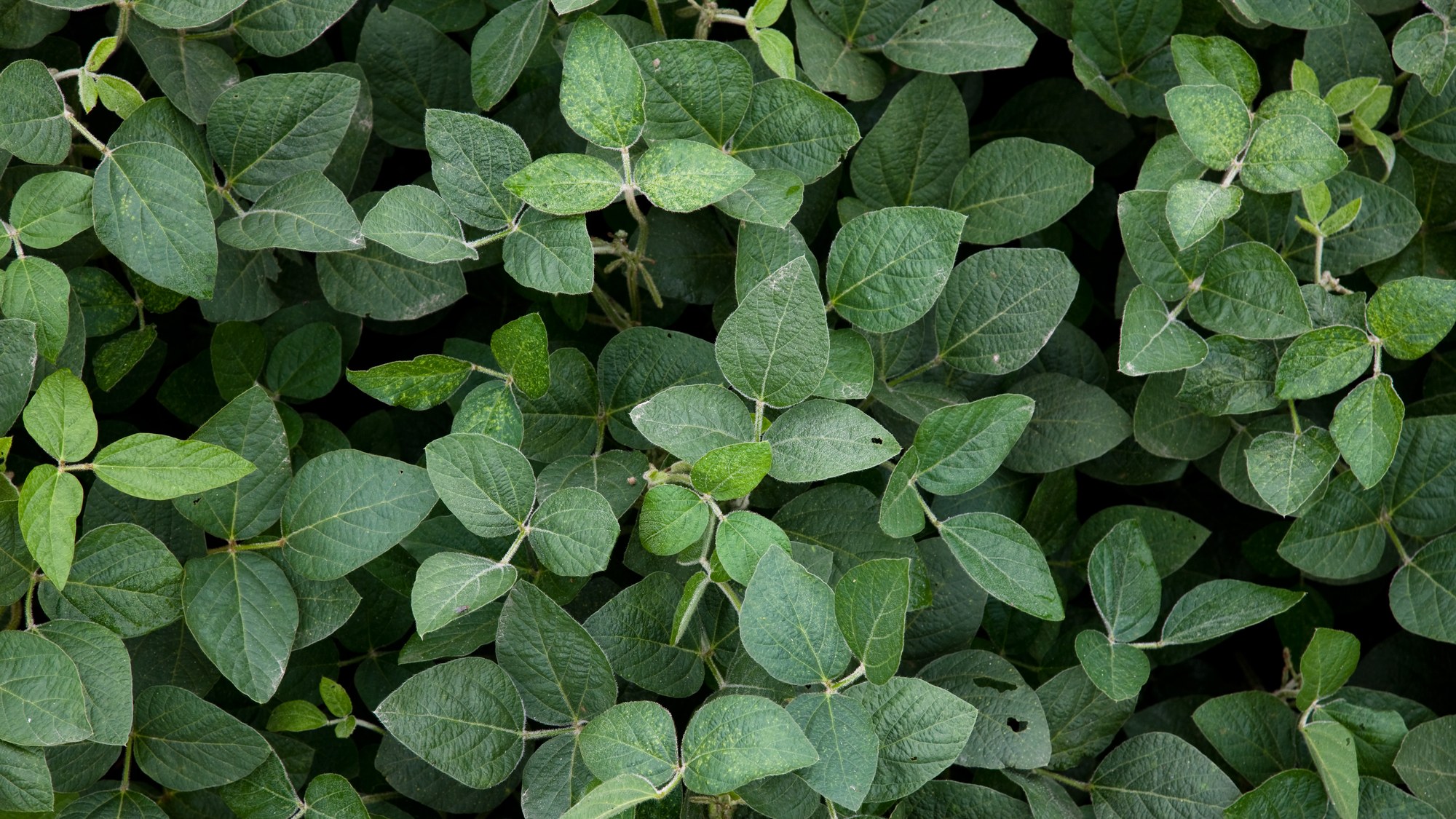
Commercial soybeans, the crop at the center of U.S. farm trade with China, are not among the more than 1,600 American products the Trump administration recommended for better tariff treatment in China, according to the lists the White House published with a Sept. 27 statement from the U.S. Trade Representative.
What the statement recommends and what it leaves unsaid
Ambassador Jamieson Greer’s statement on the U.S.-China Board of Trade describes recommendations covering $30 billion of trade in non-sensitive goods on each side that could benefit from more favorable tariff treatment. It says the American side’s goods amount to about 30 percent of U.S. exports to China and names agricultural products, medical devices, household goods and toys.
The statement does not mention soybeans and gives no item count. Both details come from the lists themselves, which the White House posted on its Board of Trade page, saying the two governments will consider the lists “with a view toward providing reduced tariff treatment.”
1,619 lines for American exporters, 77 for Chinese goods
The list of U.S. products for import into China runs to 1,619 items, Agri-Pulse reported on Sept. 28. The White House PDF of that list is written in Chinese tariff-line entries and covers products from live animals and meat to grains, vegetables, oils and mineral fuels.
The other side is far smaller. The U.S. import list of Chinese goods has 77 numbered tariff lines, drawn from fireworks, plastics, textiles, umbrellas, artificial flowers, machinery, electrical appliances, furniture and toys. Both sides are described as worth $30 billion, so the gap in line counts reflects how much trade each line carries rather than an imbalance in the total.
Seed and soy products are on the list; the commercial crop is not
Agri-Pulse reported that commercial soybeans are not included and remain subject to a 10% tariff, while soybean seeds, flour, oil, cake and residues are among the goods that would qualify for reductions. The White House list is consistent with that split: item 713 is HS code 12011000, seed soybeans.
The distinction matters for farm income. Seed soybeans for planting are a small specialty product, while the commercial beans sold for crushing and export are the volume that sets prices for growers. The American Soybean Association had asked in a letter to President Trump ahead of the summit for soybeans to be included as non-sensitive goods and for China’s 10% retaliatory duty on U.S. soybeans to be eliminated. Scott Metzger, the group’s president, signed it.
Purchase commitments carry the soybean trade instead
Soybeans have their own track outside the tariff lists. A May White House fact sheet set an agricultural purchase floor for China of $17 billion a year in 2026 (prorated), 2027 and 2028, in addition to the soybean commitments announced in October 2025. That arrangement fixes volumes that Chinese buyers agreed to take, whatever the tariff on the beans.
The Farm Policy News service at the University of Illinois reported in September that the two governments extended their trade truce until January, and that Bessent described soybean buying as very fulsome while other agricultural purchases ran a little behind schedule. Read together, the sources suggest the administration treats soybeans as a matter of purchases and the tariff lists as a way to widen other exports.
The cost of the uncertainty has been measured locally. Investigate Midwest reported in July that China had resumed U.S. soybean purchases under the trade deal but that the future for farmers remained daunting, and it put Tennessee farmers’ losses at about $110 million in 2025. Growers who are also landlords or retirees living on farm income are the readers for whom the lists matter most, because the crop left off is the one that sets their receipts.
A recommendation is not a tariff cut
Nothing on the lists takes effect on its own. USTR describes the goods as products that could benefit from more favorable tariff treatment in the future, and the White House page says the governments will consider the lists. Agri-Pulse reported that adjustments may be made annually and that implementation follows each nation’s domestic legal processes, with Treasury Secretary Scott Bessent, Greer and Chinese Vice Premier He Lifeng named as monitors.
USTR’s statement uses the word recommendations, not commitments, and names no date by which either government must act. The lists carry no effective dates or tariff rates in the materials read for this article, so no price or income effect can be dated. For retirees who own farmland, hold agricultural investments or depend on rural economies, the open question is whether commercial soybeans are later added, since the current text leaves the biggest crop at the existing rate.
In the statement, Greer said, as Agri-Pulse quoted him, “From agricultural products to medical devices, President Trump is unlocking improved market access.”
Property-tax relief that has to be requested
Trade disputes move crop prices, while homeowners over 65 in farm country face a steadier annual cost in property tax, where relief usually goes only to those who apply. Freezes, exemptions and circuit-breaker credits each follow their own application window.
The Senior Property Tax & Home-Cost Relief Kit covers the five kinds of property-tax relief and the circuit-breaker credit that includes renters, along with an application log and renewal calendar.
See the five kinds of relief in The Senior Property Tax & Home-Cost Relief Kit.
This article was produced with AI assistance and checked against the primary sources linked above.