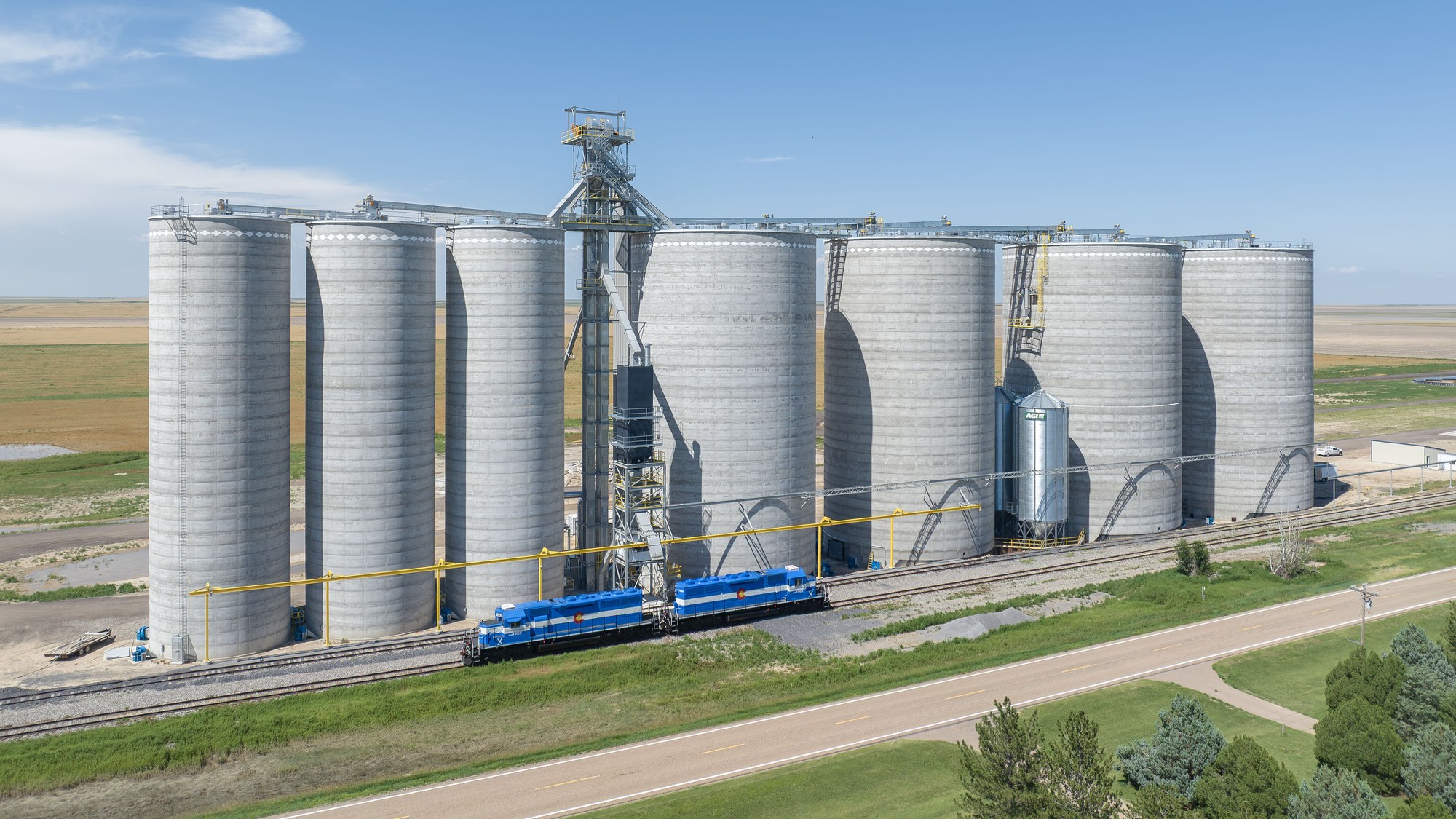
Banks, insurers and Farm Credit System lenders can leave 25% of the interest they collect on qualifying farm and rural real estate loans out of taxable income, a benefit that applies to new loans under Trump’s tax law and that the IRS says covers loans made on or after July 4, 2025.
A tax break that belongs to the lender
The provision is section 139L of the Internal Revenue Code, listed as section 70435 of the 2025 law on the IRS’s provisions page, which was last reviewed Sept. 25. The page says it allows eligible lenders to exclude 25% of interest income from federal taxable income. For every $100 of qualifying interest a lender collects, $25 drops out of its taxable income and $75 remains.
The exclusion changes the lender’s tax bill, not the borrower’s. A farmer or rural landowner still owes the interest under the loan agreement, and the IRS description contains nothing that reduces what the borrower pays.
Which lenders qualify under Notice 2025-71
The Treasury Department and IRS issued guidance on Nov. 20, 2025 in release IR-2025-113, which said section 139L lets certain lenders exclude 25% of the interest they receive from loans secured by rural or agricultural real property. The detail sits in Notice 2025-71, interim guidance published while proposed regulations are pending.
The notice lists the lender types the statute allows: banks and savings associations with FDIC-insured deposits, state or federally regulated insurance companies, wholly owned U.S. subsidiaries of bank holding companies and insurance holding companies, and, for agricultural property loans, the federally chartered instrumentality established under the Farm Credit Act. Private individuals and other kinds of lenders are not on that list.
What counts as a loan secured by farm or rural property
The provisions page describes qualifying loans as secured by farm or rural real property that is primarily used for agricultural or rural purposes. Notice 2025-71 adds a test for how much security is enough: a loan can be treated as fully secured if the fair market value of the qualifying property is at least 80 percent of the loan’s issue price on the date it is made.
The property the notice describes includes real property substantially used for producing agricultural products, property substantially used in fishing or seafood processing, and aquaculture facilities. The amount of a loan that counts is limited to the property’s fair market value at issuance.
New loans only: how refinancing is treated
The word “new” in the headline tracks the start date. The IRS provisions page says the loan must be made on or after July 4, 2025, while the notice describes loans made after that date. Under the notice, refinancing a loan that predates July 4, 2025 does not create a qualifying loan to the extent the new loan refinances the existing debt, and a significant modification of an old loan triggers refinancing treatment.
That rule matters for landowners renegotiating debt. A family that extends or restructures a decades-old mortgage on a farm may find that the lender gets no exclusion on it, which is a fact about the lender’s tax position rather than the borrower’s rate.
The notice’s effective date is worded differently again: it applies to taxable years ending after July 4, 2025. For a lender that files on a calendar-year basis, that points to the 2025 return as the first one on which the exclusion can appear, which means the benefit has already been flowing into lenders’ tax calculations for months even though the guidance is still interim.
The exclusion also sits alongside another farm-related change from the same law. Sellers of qualifying farmland to active farmers can spread the tax on the gain over four annual installments under proposed regulations announced Sept. 28. One provision helps the lender financing the land, the other helps the seller leaving it, and the IRS materials read for this article address neither farmland prices nor borrowing rates.
What the IRS says about borrowers and rates: nothing
Older landowners are the readers most likely to ask whether the break lowers what they pay. The notice contains no provisions addressing effects on borrowers or interest rates, and IR-2025-113 does not address borrowers either. Any pass-through would be a pricing decision by each lender, not something the IRS materials promise.
Trade coverage has focused on lenders’ compliance. The Kansas Banker magazine ran an explainer on the new tax exclusion for agricultural lenders, and CPA Practice Advisor reported that the IRS provided the tax break to lenders on rural and agricultural real estate loans. Both are aimed at professionals rather than borrowers.
The IRS asked for written comments on the notice by Jan. 20, 2026, through regulations.gov under docket IRS-2025-0400, and proposed regulations had not been reported in the materials read for this article. Until they arrive, Notice 2025-71 is the operating rulebook for the exclusion.
Why an IRS refund can stall without a clear reason
Older filers who expect a deposit after a simple return sometimes meet a hold caused by a mismatch, an offset or a missing form. The reason usually appears on a notice rather than on the status screen.
The IRS Refund Recovery Kit offers a 13-page walkthrough that includes the refund-trace steps for Form 3911 and a refund status tracker spreadsheet.
See the notice decoder and tracker inside The IRS Refund Recovery Kit.
This article was produced with AI assistance and checked against the primary sources linked above.