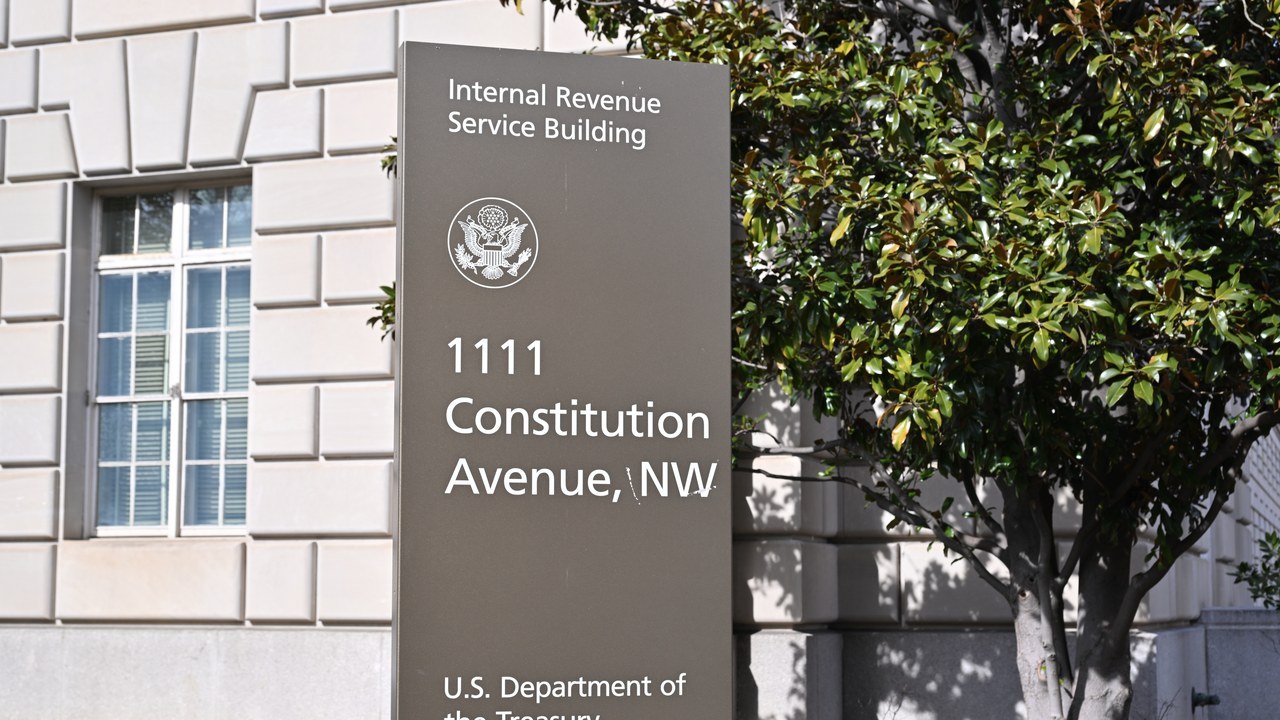
The Treasury Inspector General for Tax Administration (TIGTA), the federal watchdog for the IRS, has counted 34 million individual tax refunds that were issued as paper checks across processing years 2024 and 2025. That is about 15 percent of the 222 million individual refunds the agency issued in the period. The count lands after an executive order told federal agencies to stop disbursing paper checks.
For retirees and others who depend on a refund arriving on time, the finding is a reminder that the check in the mailbox has not disappeared. It also raises a practical question about what happens when one of those 34 million checks is late, lost or stolen.
How the 34 million figure comes out of the report
The numbers sit in TIGTA report 2026-IE-R015, titled Snapshot Report: The IRS’s Paperless Transition Efforts as of July 2026 and dated Sept. 14, 2026. Its review found that 188 million of 222 million individual refunds, or 85 percent, were electronic in processing years 2024 and 2025. Subtracting leaves 34 million refunds that were not, the roughly 15 percent that went out on paper. The report presents the electronic share and the total; the 34 million is the difference between them.
Across every type of IRS transaction, 654 million of 743 million, or 88 percent, were electronic in the same period. Refunds therefore trail the agency’s overall average by three percentage points.
Nancy A. LaManna, TIGTA’s Deputy Inspector General for Inspections and Evaluations, signed the report. Her office described it as informational and made no recommendations. It does not accuse the IRS of breaking the order, and it does not say how many of the paper checks were mailed after the order’s deadline. It is a snapshot of how far the electronic shift had gotten by July 2026.
The September 2025 deadline and its exceptions
Executive Order 14247 requires federal payments and receipts to be made electronically. The report quotes its deadline: by Sept. 30, 2025, agencies were to discontinue disbursing paper checks where legally permissible. That date passed one year ago this week, and the TIGTA count covers the two processing years around it.
The order itself carves out exceptions for people facing hardship, including taxpayers without access to a bank account. The report points to Federal Deposit Insurance Corporation data showing about 5.6 million American households, 4 percent of all households, are unbanked. A household with no account cannot take a direct deposit, so a paper check remains the only way a refund can reach it.
Why the paper check still matters to a refund
A separate TIGTA report, published Sept. 16, 2026 and read for its customer-service data, noted that the IRS had sent 1.9 million notices to taxpayers regarding direct deposit information as of March 31, 2026. The figure shows how often bank details become a sticking point in the refund process, a problem a paper check sidesteps and then creates in a different form: mail.
The IRS says on its refunds page, last reviewed June 28, 2026, that a refund check should arrive within 4 weeks of the date the agency issues it. An e-filed return takes about 3 weeks, and a mailed return takes 6 or more weeks from the date the IRS received it. The same page says a taxpayer can request a refund trace if a check was lost or stolen, and joint filers can complete Form 3911, the Taxpayer Statement Regarding Refund, to start one. A refund tracker on the page is available without signing in to anyone who has the return details at hand.
The practical stakes are plain. A direct deposit lands in an account that the taxpayer controls and can see. A paper check travels through the postal system, sits in a mailbox, and has to be deposited or cashed before the money is usable. A refund that goes missing in that chain can leave a household waiting weeks for money it counted on, and the trace process only begins once the expected window has passed.
What the TIGTA snapshot leaves unanswered
The report gives a count and a share, but no breakdown of who received the 34 million checks. It does not split them between unbanked households, filers with foreign addresses or bank routing numbers, and returns that simply did not include direct deposit details. It also makes no cost comparison between paper and electronic disbursement, and carries no dollar figures. Those gaps mean the number says how many checks were issued, not why.
What the report does establish, on the inspector general’s own review of IRS data, is that the paperless transition was 85 percent complete for individual refunds by that measure. The remaining 15 percent amounts to 34 million refund checks, each of them a household waiting on the mail.
A paper refund check that never arrives
The TIGTA report shows that millions of individual refunds still travel as paper checks, and the IRS refunds page describes the refund trace on Form 3911 as the route for a check that was lost or stolen. Following that route means keeping notices, dates and a record of each contact in one place while the refund is outstanding.
The IRS Refund Recovery Kit is a 13-page kit that includes the refund-trace steps for Form 3911, a notice decoder and a refund status tracker spreadsheet.
Open the IRS Refund Recovery Kit to organize a refund trace →
This article was produced with AI assistance and checked against the primary sources linked above.