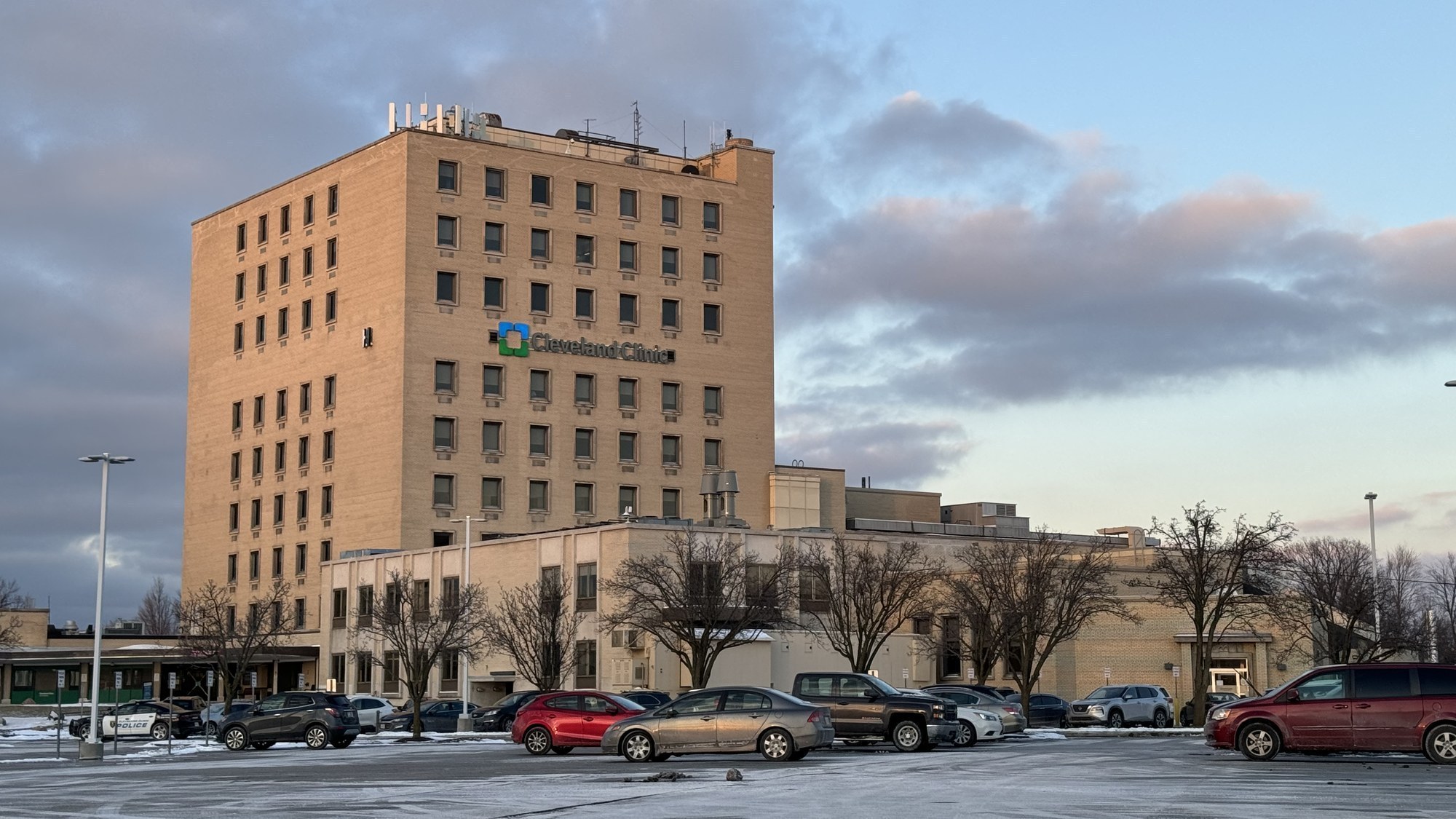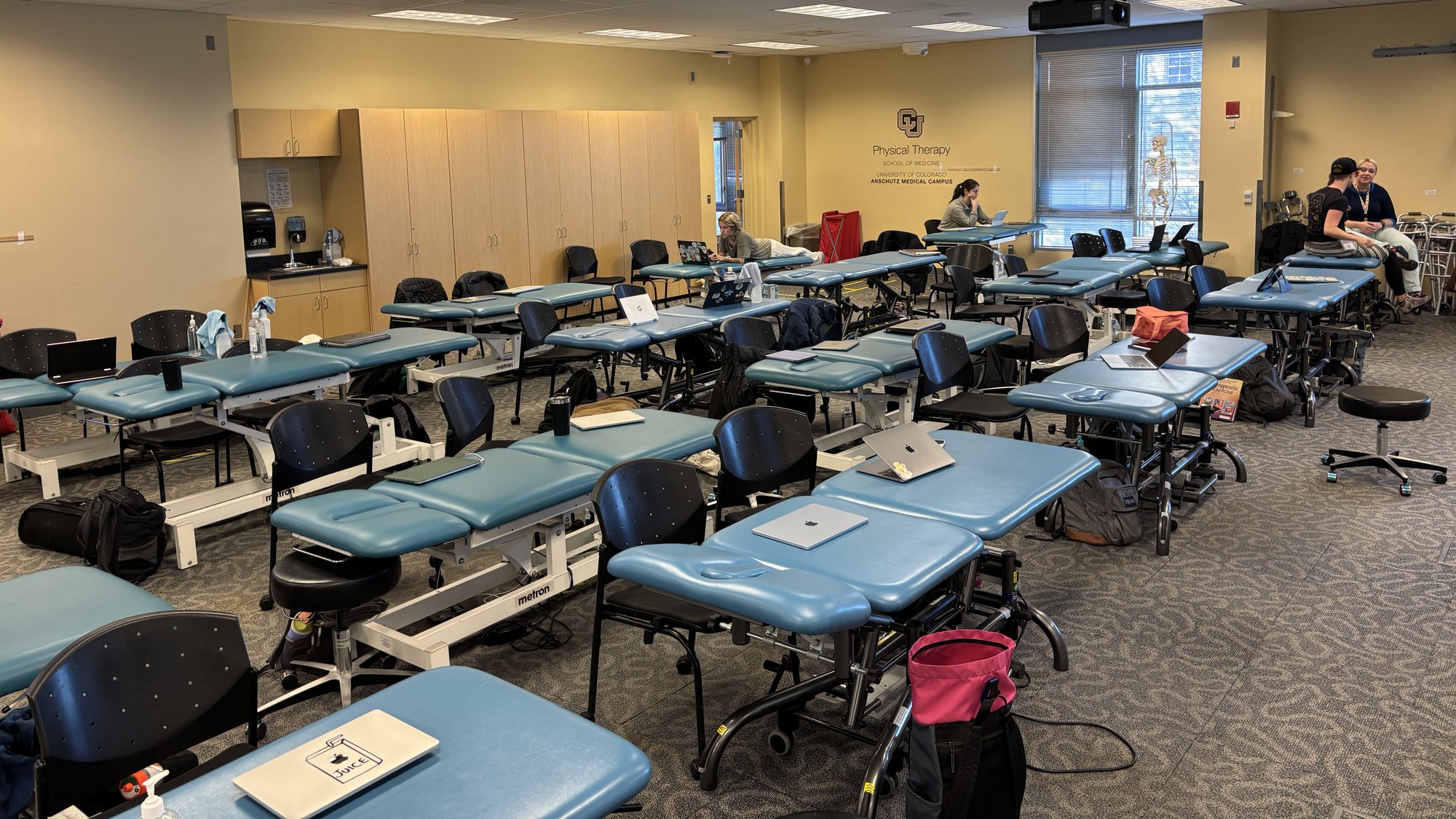
Inpatient rehabilitation facilities, the hospitals and hospital units that treat Medicare patients after strokes, hip fractures and similar events, began a new payment year on October 1, 2026. Their Medicare rates rose 2.3 percent under a final rule that is now in effect, not a proposal.
The increase is a change in what Medicare pays the facilities. The rule says nothing about new charges to patients, and what a beneficiary owes for a rehab stay is set by separate Medicare cost rules that are covered below.
How the 2.3 percent figure is built
The Centers for Medicare & Medicaid Services published the fiscal year 2027 inpatient rehabilitation facility prospective payment system final rule in the Federal Register on August 3, 2026, with an effective date of October 1, 2026. The update starts from a market basket increase of 3.2 percent, the measure of how much the goods and services hospitals buy have risen in price. The statute then requires a productivity adjustment of 0.9 percentage point, which brings the net update to 2.3 percent.
The figure moved between the proposal and the final version. The rule records that the market basket update in the proposed version was 2.4 percent, and that more recent forecasting data led CMS to apply a final update of 2.3 percent. The agency also noted that the productivity cut is not its choice: under section 1886(j)(3)(C)(ii)(I) of the Social Security Act, it is required to apply the specific productivity adjustment.
Two other numbers sit in the rule. The labor-related share, the portion of the payment adjusted for local wages, is 74.3 percent for fiscal year 2027. And because the case-mix group weights were updated in a budget-neutral way, total estimated aggregate payments to these facilities for the year are described as not affected by that change. The rule excerpt reviewed for this article does not state a dollar conversion factor, so no per-case dollar amount is given here.
Who at CMS answers for the payment rates
The Federal Register notice lists Kimberly Schwartz, at (410) 786-2571, as the CMS contact for payment policies and rates under the rule, and an IRFcoverage@cms.hhs.gov mailbox for general questions. The notice also lists Lauren Blum for the quality reporting program. Those entries identify who handles the questions; the notice does not attribute the 2.3 percent figure to any individual by name, so the figure is credited here to CMS and its published rule.
The same rule finalizes operating requirements that affect how a patient’s stay runs. All therapy treatments and evaluations must begin within 36 hours of admission, and the initial interdisciplinary team meeting is required by day 4. The rural adjustment completes the final year of a three-year phase-out, and the wage index keeps a 5 percent cap on year-over-year decreases.
Why the raise does not appear as a patient bill
A payment update of this kind is an adjustment to what the program pays facilities, not a line on a patient statement. The rule excerpt contains no statement that changes beneficiary cost sharing, and the 2.3 percent does not translate into a 2.3 percent higher bill for a patient. The rule also points to the financial position of the industry: it cites the Medicare Payment Advisory Commission’s conclusion that current IRF rates are more than adequate, based on aggregate Medicare margins above 13 percent since 2015.
That context matters for readers weighing the headline. A larger payment rate is good news for the facilities, and it is a reason to expect they will remain open to Medicare patients, but it is not a benefit paid to the patient.
What a Medicare patient pays for an inpatient rehab stay
The patient’s share is governed by Part A, and Medicare publishes it on its own pages. According to Medicare’s inpatient rehabilitation care page, a person with Original Medicare pays a $1,736 deductible for the 2026 benefit period, then $0 a day for days 1 through 60 of the stay. Days 61 through 90 cost $434 each day. Days 91 through 150 cost $868 each day, drawing on the 60 lifetime reserve days, and after day 150 the patient pays all costs.
The same page explains that a deductible is not charged again if Medicare already charged one for care in the same benefit period, such as when a patient moves straight from an acute-care hospital or is admitted within 60 days of discharge. Coverage also depends on a provider certifying that the patient has a medical condition requiring intensive rehabilitation, continued medical supervision and coordinated care.
The deductible and daily amounts above are the 2026 figures published on Medicare’s costs overview. Neither Medicare page carries 2027 figures as of this writing, so any patient admitted under the new payment year should confirm the current amounts with Medicare. The pages also do not address Medicare Advantage plans, which set their own cost sharing and rules for these stays.
What the rule leaves open for patients
The October 1 change shifts the money flowing to rehab hospitals by a modest, statutorily trimmed amount, and the formal record for it is the Federal Register rule that CMS issued. For a patient, the numbers that govern the household budget remain the Part A deductible and the daily coinsurance listed by Medicare, which apply after an inpatient stay whether or not the facility’s payment rate rose.
Keeping track of what a rehabilitation stay costs the patient
The Medicare Cost & Coverage Protection Kit is for people on Medicare, and for the relatives who help them, who need to keep medical costs and coverage decisions organized. A rehabilitation stay can bring a deductible, daily charges and a run of related drug costs in a short span.
The Medicare Cost & Coverage Protection Kit is a 10-page kit that includes a medication and cost tracker and the prior-authorization appeal steps.
Open the kit’s medication and cost tracker to keep one record of a rehab stay’s bills →
This article was produced with AI assistance and checked against the primary sources linked above.