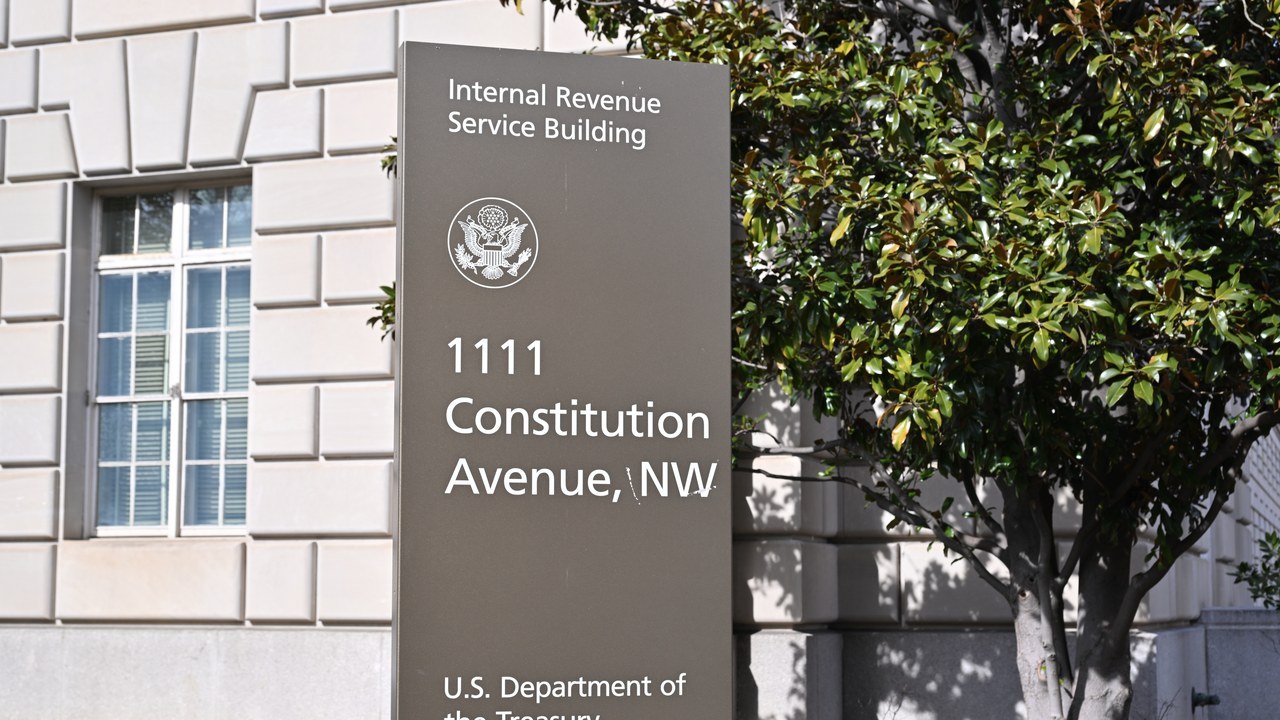
The House Ways and Means Committee voted 40-0 at a Sept. 16 markup to advance H.R. 10334, the EFIN Verification Act of 2026, a bill that would bar e-filing with unvalidated Electronic Filing Identification Numbers. The measure has not passed the House. The committee announced the result in a release dated Sept. 18, and the vote moves the bill only to the point where the full chamber can take it up.
The identification numbers the bill targets
An EFIN is issued by the IRS to individuals and entities permitted to file federal tax returns on behalf of other taxpayers, according to the bill summary on govinfo.gov. The IRS calls the number a preparer’s key to meeting federal requirements for electronic filing, and its guidance for tax professionals says the agency continuously reviews EFINs and inactivates those found to be compromised.
The IRS page on maintaining, monitoring and protecting an EFIN, last updated March 3, describes how the number is attacked. “A common scam involves efforts by criminals to steal tax professionals’ e-Service account passwords and EFINs, sometimes posing as the IRS or e-Services,” the page says. It tells preparers to match the return counts on their EFIN Status page against their own records, statistics the page says are updated weekly, and to contact the IRS e-help Desk at 866-255-0654 if an EFIN is stolen or misused.
Both the bill summary and the committee release describe EFINs in terms of return preparers and e-filing software, so the practical reach of the bill is the professional filing channel rather than a taxpayer’s own account.
What H.R. 10334 would require
The Ways and Means committee release describes the bill as an anti-refund-fraud measure. It would prohibit the use of unvalidated EFINs to file returns electronically, require validation through e-filing software and direct the Treasury Department to establish a real-time EFIN validation program. The release states the reason in one sentence: “Stolen and hijacked EFINs are a common mechanism for refund fraud, and current statute does not require an EFIN to be verified as active and authorized before it is used to file.”
The govinfo summary adds detail. Under the bill, the IRS or a designated validator would have to confirm that an EFIN is authorized and active before a federal tax return or other document may be electronically filed, and EFINs would be validated before initial use and at later intervals set by the IRS. The bill was introduced in the House on Sept. 10, the summary shows, and it was last updated Sept. 22.
The markup and what comes next in the House
A Sept. 22 tax policy memo from the law firm Sullivan & Cromwell reports that the committee voted to favorably report H.R. 10334, as amended by Chairman Jason Smith’s Amendment in the Nature of a Substitute, by a vote of 40-0. The memo gives no floor schedule, and neither does the committee release. A committee vote does not make the bill law. The full House, the Senate and the President would each still have to act.
The same markup advanced several other bills, and the committee’s markup page confirms the Sept. 16 date. According to the release, H.R. 6130 also passed 40-0 and H.R. 5439 passed 39-0, while H.R. 4093 passed 25-15, H.R. 10346 passed 32-8 and H.R. 10356 passed 25-13. The EFIN bill was among the unanimous ones.
What the bill does not change for a taxpayer
As the committee release and the govinfo summary describe it, the bill works on the preparer and software side of the filing system, through EFIN validation. It is not law, so nothing about how returns are accepted has changed. A taxpayer who wants a check on the individual side today has the IRS Identity Protection PIN.
The IRS describes the Identity Protection PIN, updated Aug. 4, as a six-digit number that prevents someone else from filing a tax return using a Social Security number or an individual taxpayer identification number. Anyone with an SSN or ITIN who can verify identity is eligible, and parents and legal guardians can request a PIN for dependents. Individuals under 18 must use an alternative to the online account. The fastest route is the IRS online account. Taxpayers with an adjusted gross income below $84,000, or $168,000 on a joint return, can instead file Form 15227, after which the IRS calls to verify identity and the PIN arrives in four to six weeks. An appointment at a Taxpayer Assistance Center is a third route.
The PIN is valid for one calendar year and a new one is generated each year, and it must be used on any federal return filed during the year, including prior-year returns. The IRS states that it will never ask for an IP PIN, and that phone calls, emails or texts asking for one are scams.
The controlling record for the vote is the Ways and Means committee release of Sept. 18, which lists the 40-0 result and the bill’s mechanism, while the bill’s status page at Congress.gov is the official tracker for any later action.
Refund notices that arrive after someone else has filed
A taxpayer whose refund is held because a return was already filed under their Social Security number learns it from an IRS notice, and each notice code points to a different response and a different clock. Sorting which letter means what, and whether a refund needs tracing rather than waiting, is where the delay usually grows.
The IRS Refund Recovery Kit combines a notice decoder with the refund-trace steps for Form 3911 and a refund status tracker spreadsheet, so a letter can be identified and each follow-up date kept in one record.
Get The IRS Refund Recovery Kit and its refund-trace steps here →
This article was produced with AI assistance and checked against the primary sources linked above.