A home-repair pilot that would pay for handrails, ramps and bathroom changes became federal law this summer, and nothing came with it to pay for them. The program exists on paper only. No grant round is open, no agency is taking applications, and no household or landlord can apply for anything today.
Section 202 of Public Law 119-101
President-approved on July 11, 2026, Public Law 119-101 is the 21st Century ROAD to Housing Act. Section 202 of that law, headed the Whole-Home Repairs Act, directs the Secretary of Housing and Urban Development to run a pilot program that makes grants to implementing organizations. Those organizations are the intermediaries: units of general local government, States, Indian tribes, public housing agencies, nonprofit housing organizations, community development organizations and private developers.
The statute therefore authorizes the program in the ordinary legislative sense. Congress has defined what it is, who administers it and what it may cover. What the text does not do is supply a dollar.
What the pilot would cover, grab bars and ramps included
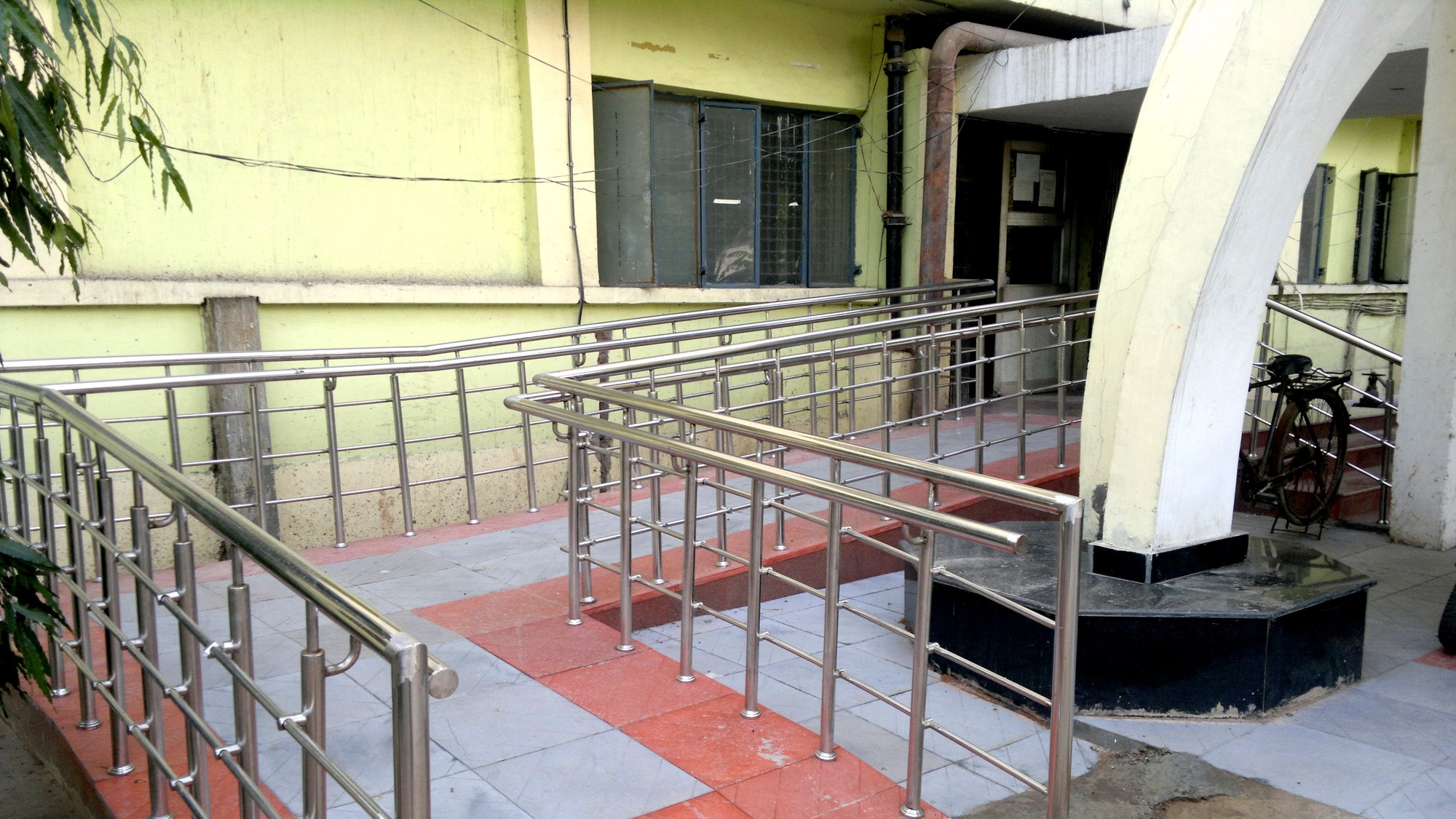
The statute lists the accessibility work in plain terms: “bathroom and kitchen modifications, installation of grab bars and handrails, guards and guardrails, lifting devices, ramp additions or repairs.” The same section reaches beyond accessibility to habitability and safety concerns, and to energy and water efficiency, resilience and weatherization, for owner-occupied or renter-occupied units.
The accessibility language refers to individuals with disabilities and older adults, but the eligibility described in the section is not an age test. The statute sets no age requirement for eligible home-owners or eligible landlords, so it cannot accurately be called a seniors program.
Authorized, not appropriated
Congress separates two steps that are easy to blur. An authorization of appropriations says a program may receive up to a stated sum, and a later appropriation actually makes money available to spend. Section 202 contains neither. It has no sentence authorizing a dollar amount for the pilot and no sentence appropriating one.
The only funding language in the section is conditional. It speaks of an implementing organization that receives a grant “from appropriated funds made available for this subsection.” That phrase assumes a separate appropriation will exist someday. It does not create one. Until Congress passes it, HUD has nothing to award, which is why the pilot cannot yet be described as operating.
Why an authorized pilot is not yet a program
The distinction has practical weight for anyone reading about the pilot as if it were a benefit. A grant program needs an administering agency, a pot of money and a way to apply. Section 202 supplies the first, naming the HUD Secretary as the official who runs the pilot. It supplies none of the other two. The grants it describes go to implementing organizations, not directly to individual households, so even a funded pilot would reach a home only through a local government, tribe, housing agency, nonprofit or developer that had first received a grant.
The statute’s covered list is broad, running from lifting devices to weatherization, and that breadth is part of what makes the missing funding notable. A pilot spanning accessibility, safety and energy work was written into law, yet the enacted text leaves the question of cost entirely to a later bill. Reporting on it in the present tense, as though grants were flowing, would misstate what Congress actually did on July 11.
A pilot with a hard stop in October 2031
The statute also carries its own end date: “The pilot program established under this subsection shall terminate on October 1, 2031.” The clock on that sunset runs regardless of whether money ever arrives. Each year that passes without an appropriation shortens the window in which any grants could be made, and the pilot would lapse on the stated date without further action by Congress.
No implementing agency page, notice of funding opportunity or application portal has been published for the pilot, and none could be expected before funds exist. Households searching for grab-bar or ramp help are therefore pointed to programs that already operate, not to this one.
What the HUD stopgap does and does not show
HUD itself is funded only through December 11, 2026, under Public Law 119-103, the continuing resolution approved September 2, 2026. That law keeps the department running at the stopgap level until that date. The two enacted statutes read for this article are the whole record: the authorizing text of section 202 carries no appropriation, and the record read here contains no later law that names the Whole-Home Repairs pilot for money.
Whether the pilot is ever funded is now a matter for the next appropriations measures. The statute’s own words, and its October 1, 2031 termination date, are the fixed points. Section 202 as enacted says the program may be run if funds are made available, and says nothing about when, or whether, they will be.
Home-repair costs while federal pilots wait
Homeowners and renters who face repair bills on an older home often have to piece together local assistance on their own, and the paperwork piles up fast.
The Senior Property Tax & Home-Cost Relief Kit is an 11-page kit that covers heating, cooling and home-repair help and includes an application log and renewal calendar for tracking each request that gets filed.
Open the home-repair help section and application log for older-home upkeep costs →
This article was written with AI assistance and verified line by line against the primary records linked in it.