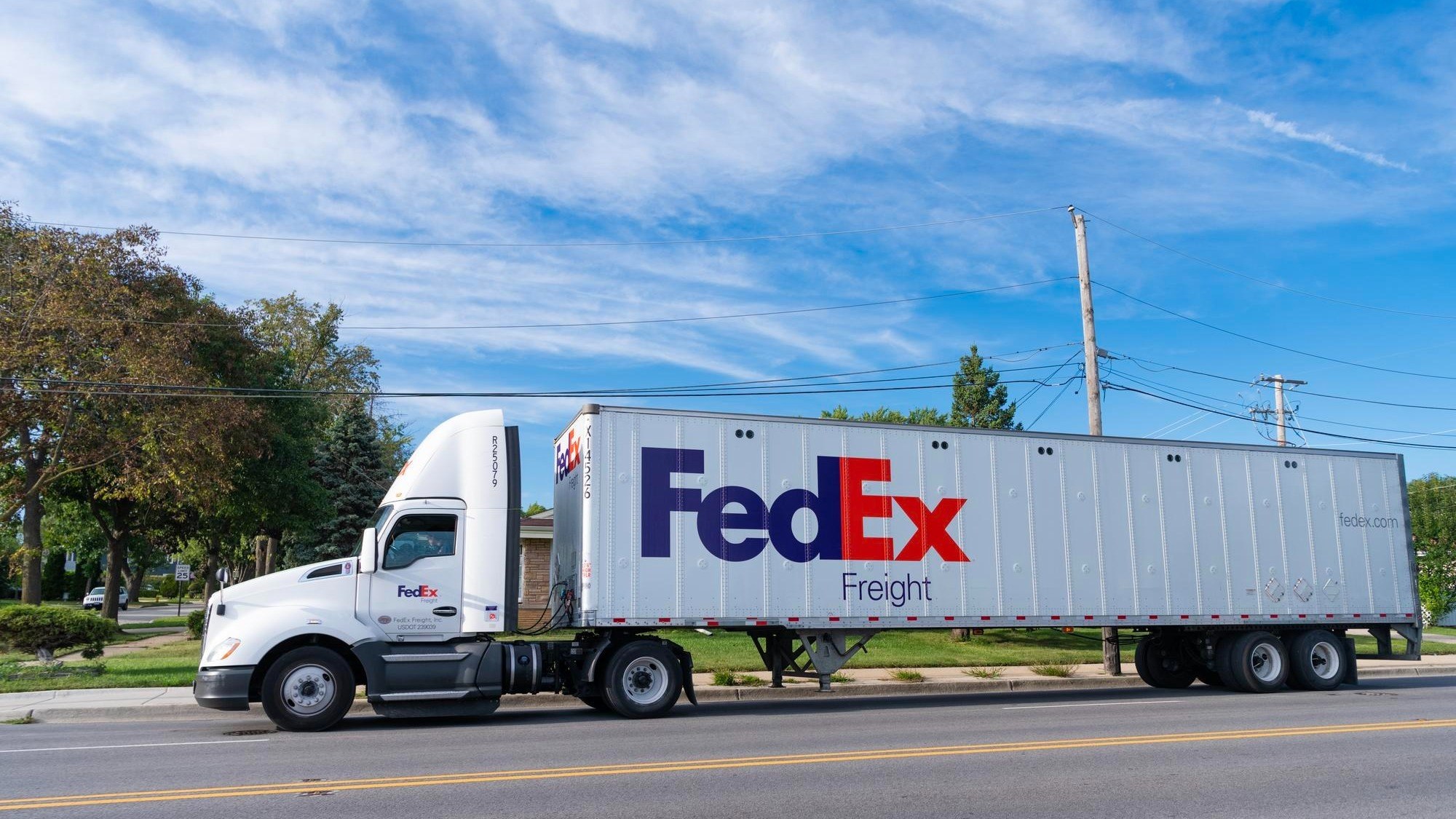
The Federal Trade Commission says the nation’s largest wine and spirits distributor charged independent retailers significantly more than large chains for identical products, and on October 2, 2026 it filed a proposed settlement with Southern Glazer’s Wine and Spirits, LLC. Under the proposed order, covering 26 states for six years, Southern Glazer’s can resolve identified violations by paying independent retailers 1.5 times the price gap.
The FTC alleges the pricing violated the Robinson-Patman Act. The order has not been entered by a court, and Southern Glazer’s denies the allegations.
What the FTC alleges: higher prices for independents, discounts for Total Wine, Walmart and Kroger
According to the FTC’s October 2 press release, Southern Glazer’s charged independent retailers significantly higher prices for identical wine and spirits than it charged large competing chains. The release names Total Wine, Walmart and Kroger as the large buyers. The FTC also alleges the distributor offered discounts and rebates available only to large buyers, and that those were not justified by differences in the cost of distribution.
Daniel Guarnera, director of the FTC’s Bureau of Competition, said in the release: “This settlement marks a significant milestone for the FTC in its enforcement of the Robinson-Patman Act, which Congress enacted to empower small businesses to compete against large ones.” The chains are named as the favored buyers in the comparison, not as defendants in the case.
The December 2024 complaint described “drastically higher” prices charged to small “mom and pop” businesses, neighborhood grocery stores, local convenience stores and independently owned wine and spirits shops. The agency sued in December 2024, according to its complaint announcement, in the U.S. District Court for the Central District of California. The FTC’s case page records that a motion to dismiss was denied on April 17, 2025 and that the parties filed the stipulated consent decree and order on October 2, 2026.
The two Commission votes differ. The FTC’s announcement of the December 2024 complaint recorded a 3-2 vote, with Commissioners Ferguson and Holyoak dissenting, while the October 2026 settlement was approved 2-0.
The 26 states covered by the proposed order
The proposed stipulated consent decree and order defines the covered “Relevant States” as Alaska, Arizona, Arkansas, California, Colorado, Delaware, Florida, Hawaii, Illinois, Indiana, Kansas, Kentucky, Louisiana, Maryland, Minnesota, Missouri, Nebraska, Nevada, New Mexico, New York, North Dakota, Oklahoma, South Carolina, Tennessee, Texas and Washington.
The release does not say how many independent retailers operate in those states or how many were affected, and it publishes no total dollar figure for the price gap. The order runs for six years from the date a court enters it, and the Commission voted 2-0 to approve the settlement.
How the 1.5 times payment works under the order
The 1.5 times figure is a cure mechanism written into the order, not a refund pool. Under Section II.B, Southern Glazer’s “may cure the set of identified Discriminatory Paired Transactions by paying the Covered Retailer 1.5 times the full Excess Payment” for those transactions. The amount is therefore 1.5 times the price differential on transactions that the order’s independent monitor identifies, in which an independent retailer paid more than a large chain in the same area.
The order sets a threshold. A violation is triggered by $5,000 in aggregated excess payments, from all discriminatory paired transactions involving a particular covered retailer, within any 12-month reporting period. Section VIII.A of the order says “The Commission shall appoint a Monitor to ensure that Defendant expeditiously complies with all of its obligations.” The monitor determines pricing violations, approves compliance programs and is reimbursed by the defendant. If a violation is not cured and the FTC has to enforce, the order points to a payment of twice the excess instead.
No admission of liability and no court entry yet
The posture matters for how the figures are read. The order states that it “does not constitute any evidence against Defendant, or an admission of liability or wrongdoing by Defendant,” and that the defendant denies the allegations in the complaint. The court’s findings address jurisdiction and venue, not the underlying pricing claims, because the case ended in a settlement and not a trial.
The FTC’s release notes that stipulated orders carry the force of law once approved and signed by the district court judge. As of the release, that approval had not occurred. Chairman Andrew Ferguson and Commissioner Mark Meador each issued statements on the matter, which the FTC published alongside the case documents.
The money consequences therefore depend on future events: whether the court enters the order, whether the monitor identifies discriminatory paired transactions, and whether a covered retailer crosses the $5,000 aggregated threshold in a 12-month period. The record the FTC published on October 2, 2026 states the allegation, the 26 states, the 1.5 times cure and the six-year term, and carries no monetary total.
A scam recovery plan for older households
Older adults and their families who have been hit by a scam call or a stolen account number often make the first calls in a panic and in the wrong order, and which call comes first decides how much is recoverable.
The Senior Fraud Defense & First-Hour Recovery Kit is a 9-page kit with the first-hour recovery plan, the family code word, the free credit-freeze steps and a fraud evidence and report log.
Get the first-hour scam recovery plan and the family code word →
Drafted with help from an AI model, then checked against the FTC release, case page and proposed order text.