The fee that hits a checking account when a payment slips past the balance never really went away, and the number attached to it is once again bumping up against $27. A short-lived federal rule that would have slashed the charge at the biggest banks was wiped off the books before it started, leaving the standard overdraft fee roughly where it has sat for years. What far fewer account holders realize is that the most common version of the charge is optional, and switching it off takes one request.
What the average overdraft charge actually costs in 2026
The typical overdraft fee has drifted down only slightly from its peak. Bankrate’s most recent annual checking account survey pegged the average at $26.77, a hair below the $27.08 recorded a year earlier and still charged by the overwhelming majority of accounts that carry the fee. At many large banks the figure runs higher, with several still charging $35 per item. For a retiree living on a fixed monthly benefit, a single miscalculated debit can trigger that fee more than once in a day, turning a $4 coffee that overdrew the account into a charge many times its size.
The real damage comes from the pileup. Many banks allow several overdraft fees to hit in a single day, so a string of small purchases made when the balance was already short can generate two, three, or more charges before the account holder is even aware of the shortfall. A closely related charge, the non-sufficient-funds fee, applies when the bank returns a payment unpaid instead of covering it, and it lands in the same $20-to-$35 range. Studies of overdraft activity have consistently shown that a small share of heavily penalized accounts absorbs the bulk of these fees, often adding up to hundreds of dollars over a year for households that can least afford it.
Free retirement updates: One number can cost or save hundreds a month in retirement. The free Retirement Shield newsletter surfaces the ones worth knowing. Sign up free.
The $5 cap that Congress erased before it started
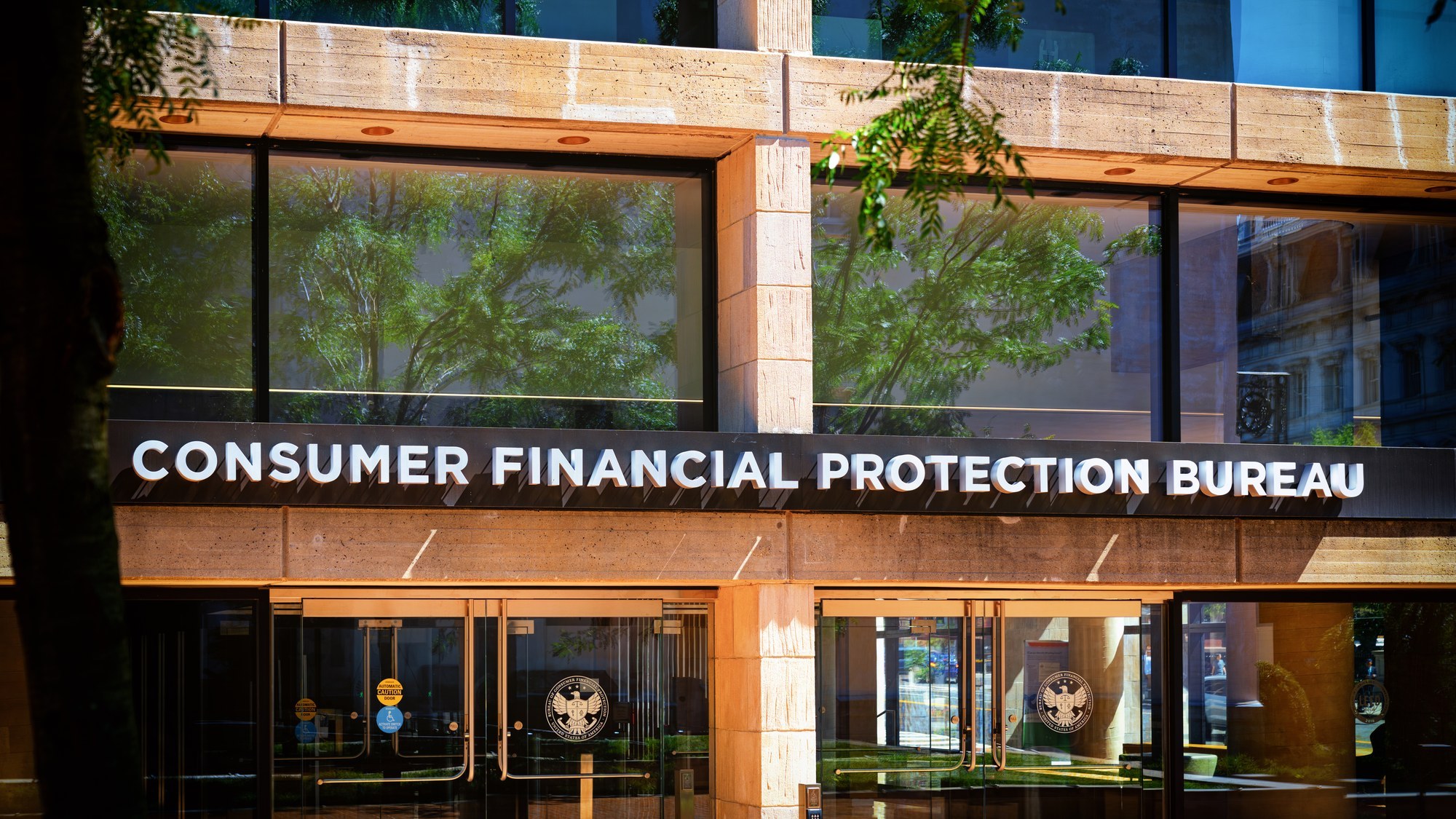
For a brief moment it looked as though the charge was about to shrink dramatically. In late 2024 federal regulators finalized a rule that would have limited overdraft fees at the largest banks to about $5, a change projected to save households that overdraft hundreds of dollars a year. Congress then used its review authority to overturn the rule in 2025, and it never took effect. Consumer advocates note that with no cap in place, overdraft fees have continued at their old levels, which is why the average still hovers near the high-$20s rather than the single digits that had been promised.
Overdraft charges have long been a significant source of income for the banking industry, generating billions of dollars a year across the largest institutions, which helps explain why the fee proved so resistant to shrinking once the federal cap disappeared. A handful of banks have moved on their own to eliminate or sharply reduce the charge as a competitive draw, and some now offer small grace amounts or a window to bring the balance positive before a fee is assessed. But those are voluntary policies that vary widely from one bank to the next, so the burden of finding a lower-fee account, or avoiding the fee altogether, falls on the customer rather than on any across-the-board rule.
The opt-out that switches the most common fee off
Here is the part banks rarely advertise. Under the Electronic Fund Transfer Act and its Regulation E, a financial institution cannot charge an overdraft fee on an ATM withdrawal or a one-time debit-card purchase unless the customer has affirmatively opted in to that coverage. The rule spelling out those overdraft-service requirements also makes clear that anyone who opted in can reverse the choice at any time by contacting the bank. With the coverage turned off, a debit-card swipe or ATM request that would overdraw the account is simply declined at no cost, rather than going through and drawing a fee.
The opt-out does not touch checks or recurring automatic payments, which banks may still pay into a negative balance and charge for, so it is not a complete shield. But for the everyday card transactions where surprise overdrafts most often occur, declining the coverage removes the fee entirely. Pairing that choice with low-balance text alerts and a linked-savings transfer, which typically costs far less than a standard overdraft charge, gives an account holder several layers of protection against a fee that, at nearly $27 a hit, adds up quickly on a fixed income.
For the checks and recurring drafts the opt-out does not cover, most banks offer cheaper backstops than a standard overdraft charge. Linking the checking account to a savings account or to an overdraft line of credit lets the bank cover a shortfall by transferring the money instead of assessing the full penalty, often for a small transfer fee or none at all. Watching the true available balance rather than the pending figure a mobile app may display closes many of the gaps where a surprise overdraft slips through in the first place.
This article was created with AI assistance and was reviewed, edited, and fact-checked by The Financial Wire editorial team.
More Financial Reading
- Adding someone to your bank account: tax traps and smart moves
- Bank statements: how long to keep them and when to toss them