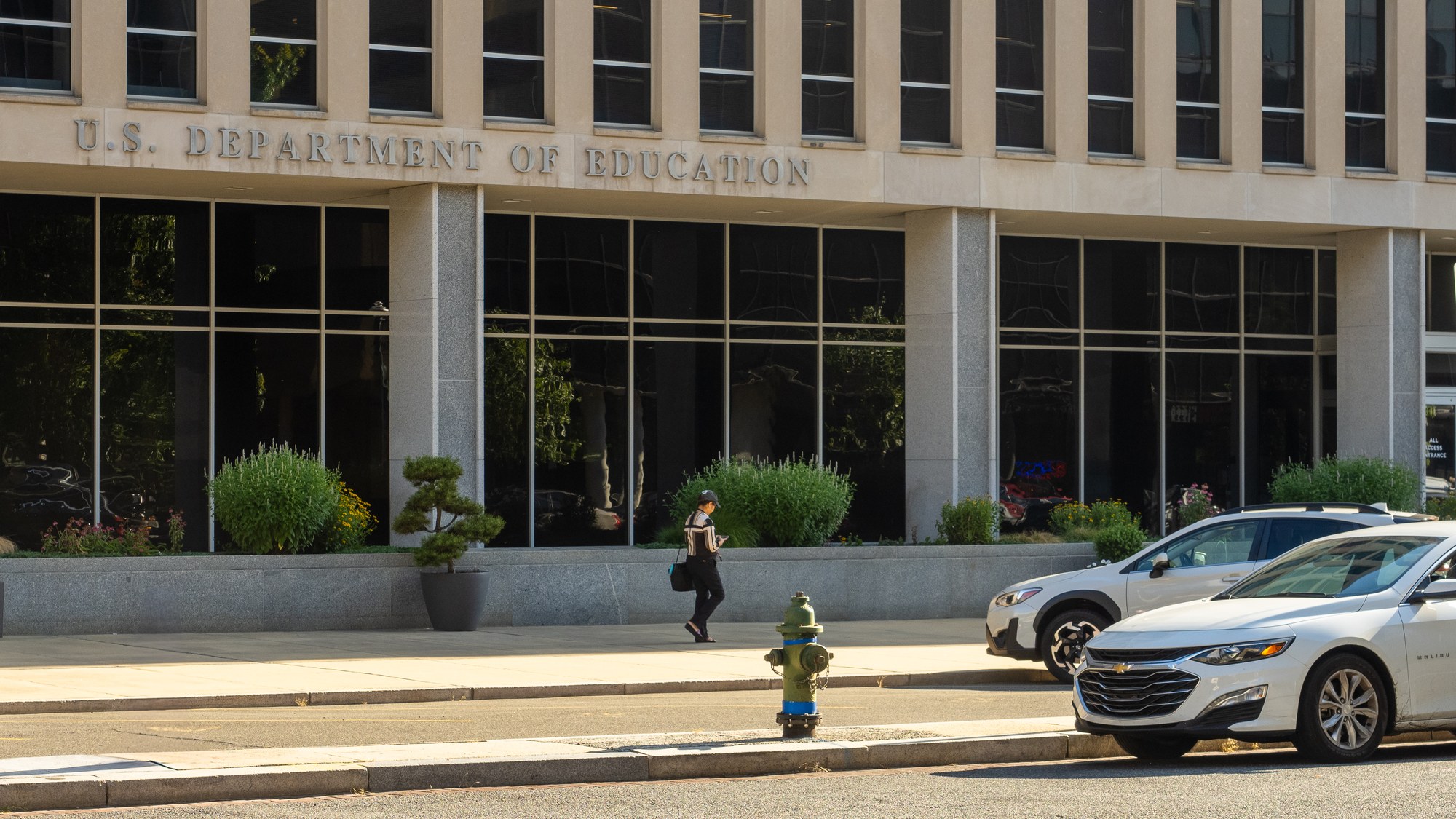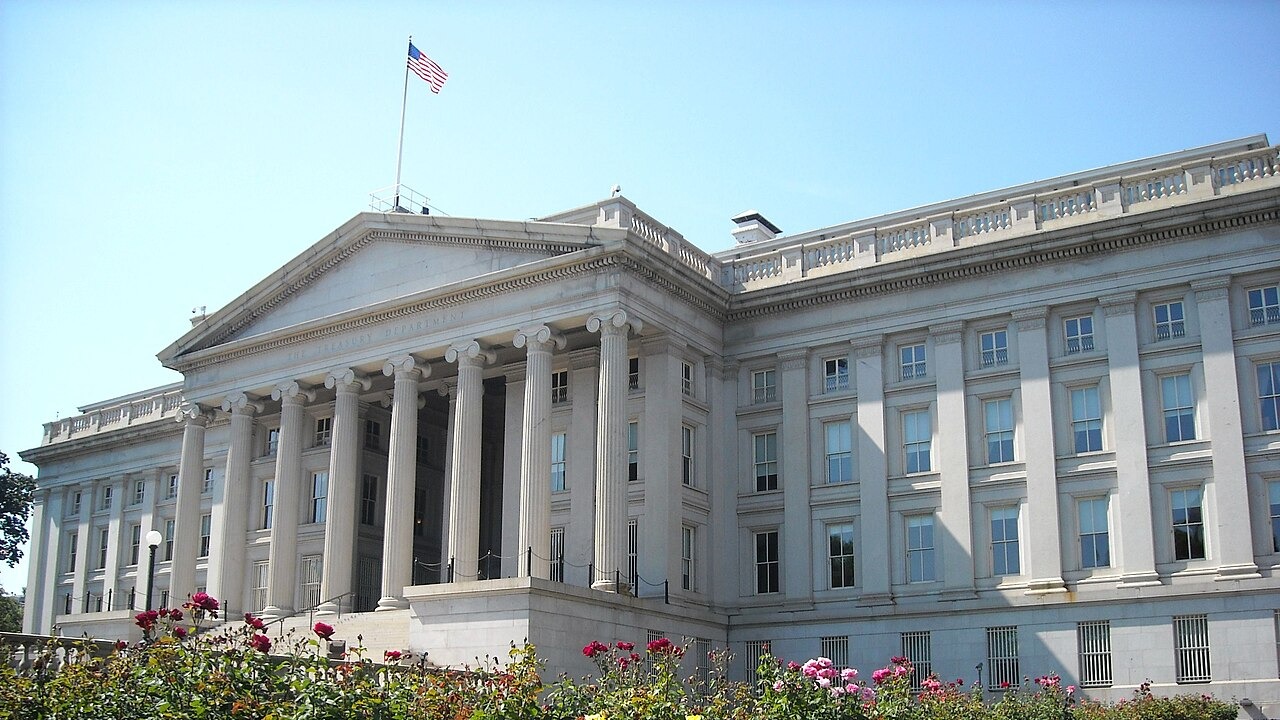
The Treasury Department and the Education Department launched the Defaulted Loans Support Center on September 30, 2026, a single online portal for borrowers whose federal student loans have gone into default. Treasury says more than 5 million borrowers have been in default for over six years and another 5 million entered default in less than a year, all within a federal student-loan portfolio it puts at $1.7 trillion.
The portal lays out two ways out of default, rehabilitation and consolidation, and the departments tie a temporary interest-rate reduction to the second one. The two routes do different things to a borrower’s credit record and loan balance, which makes the choice between them the real decision inside the announcement.
What the Defaulted Loans Support Center does
According to the Treasury press release dated September 30, 2026, the Defaulted Loans Support Center sits at StudentAid.gov/default-support. Borrowers can use it to understand the consequences of default, compare paths out of it, apply online for rehabilitation or consolidation, make payments on defaulted loans, review repayment plans and discharge options, upload documents, sign agreements electronically and track an application.
Treasury Secretary Scott Bessent said in the release that Treasury and the Department of Education are “restoring fiscal responsibility” to the $1.7 trillion federal student loan portfolio. Education Secretary Linda McMahon said “the Department of Education was never intended to serve as the fifth largest bank in America.”
Treasury’s release announces the portal as launched, not planned, and reports early user-satisfaction survey results from borrowers who have used it. The release does not give a combined count of the two default groups, so no ten-million total appears in the official record. The $1.7 trillion is the whole portfolio, not the amount in default.
Rehabilitation and consolidation leave different marks on the record
The Education Department’s default and collections guidance on StudentAid.gov sets out the difference. Rehabilitation requires nine consecutive on-time payments under an agreement with the department or a guaranty agency. After the ninth payment, the department asks the credit reporting agencies to remove the record of default, although late payments reported before the default stay on the credit history. The same page says rehabilitation avoids collection fees.
Consolidation folds the defaulted loans into a new Direct Consolidation Loan and is faster, with an online application. The guidance lists the costs: interest is capitalized, collection costs are added to the balance, and the record of the defaulted loan remains on the borrower’s credit history. Rehabilitation is the slower route that clears the default notation, while consolidation is the quicker route that does not.
Treasury’s release frames the two the same way at a high level: rehabilitation is an online application, an estimate of payments and an electronic signature, while consolidation is the route that opens the rate reduction.
The 1 percent rate cut needs consolidation and a separate auto pay step
The Treasury release says borrowers who consolidate out of default can access a temporary 1 percent interest-rate reduction by enrolling in automatic payments. Two conditions apply, and they are two separate actions: consolidating the loans, and then enrolling in auto pay with the servicer. Consolidation alone does not trigger the reduction.
The size and timing come from the Education Department’s interest-rate reduction announcement. It describes a 1 percentage point total reduction for Direct Loan borrowers in auto pay, made up of the 0.25 percent discount servicers already offered plus an additional 0.75 percent, running from July 1, 2026 through June 30, 2028. It covers Federal Direct Loans originated after July 1, 2012, and lists previously defaulted borrowers once their loans are back in good standing. Under Secretary Nicholas Kent framed the incentive as a way to raise repayment rates across the portfolio.
The original enrollment deadline was September 30, 2026. The Education Department later extended the enrollment period for the auto pay discount, with trade coverage reporting a new deadline of December 31, 2026. The reduction itself still ends June 30, 2028. The Treasury release gives no end date, and the sources read for this report do not say whether a consolidation completed after the December deadline would still qualify.
What the announcement leaves unsettled for defaulted borrowers
A lower rate is worth the most to borrowers who plan to keep the consolidated loan for years, and it comes with the credit-record tradeoff described above. Borrowers who choose rehabilitation do not get the rate reduction through the route Treasury describes, and the sources do not say whether auto pay discounts reach rehabilitated loans on the same terms.
The department’s guidance also says the interest and collection costs that consolidation adds are part of the new loan balance. For a borrower with a large balance in collection, that capitalization can offset part of what a 1 percent cut saves, a comparison the portal’s tools and the borrower’s servicer would have to run on actual figures.
The Treasury release itself carries the two numbers that frame the stakes: more than 5 million borrowers in default for over six years, and 5 million more who entered default in under a year. For each of those borrowers the practical choice is the one the Education Department’s guidance describes, a slower rehabilitation that clears the default notation or a faster consolidation that keeps it and unlocks the auto pay rate cut.
A 69-page guide to eleven benefit programs for older households
The Benefits Checklist is written for older Americans on a fixed or modest income who want to know which assistance programs exist and which have income limits worth checking. It sets out where each program’s limits sit in 2026, so the search does not start from a blank page.
The Benefits Checklist is a 69-page guide covering 11 benefit programs, the 2026 income limits and a 50-state phone directory, with a printable tracker that comes with the download.
Open The Benefits Checklist and see the eleven programs →
This article was drafted with AI assistance from the Treasury and Education Department records cited above and checked against them before publication.