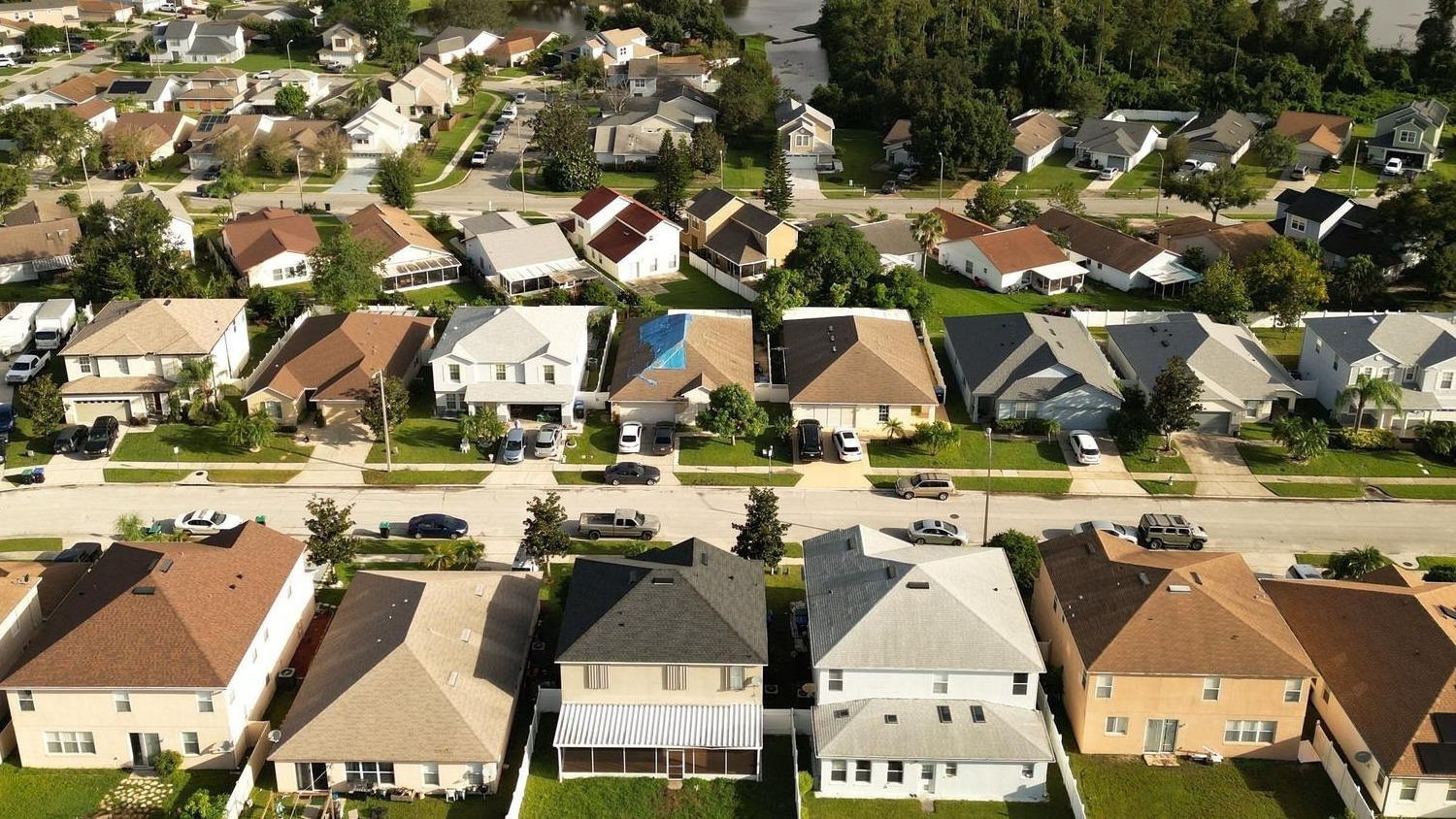
The typical gross profit on a flipped house fell to $60,526 in the second quarter of 2026, down from $71,000 a year earlier, according to ATTOM’s latest home-flipping report. The property-data company counted 77,991 single-family homes and condos flipped in the quarter, compared with 80,477 in the second quarter of 2025.
ATTOM’s second-quarter report was released October 1 and describes a gradual two-year decline in flipping returns. The profit figure is a median gross profit, meaning the difference between a flipper’s purchase price and resale price before renovation costs, financing and taxes are subtracted.
A slide that has run for two years
The $60,526 compares with a revised $66,932 in the first quarter of 2026, ATTOM’s report says. The fall from the year-earlier $71,000 is the more telling comparison, since it removes seasonal swings.
In dollars, the median is $10,474 below the year-earlier figure, a decline of nearly 15 percent. ATTOM’s June 18 first-quarter report first listed typical gross profit at $66,000, a 25.4% return and 64,348 flips. The $66,932 used above is the figure after ATTOM’s revision.
The decline is not new. For all of 2025, ATTOM’s year-end report found the typical flipped home netted $65,981 in gross profit, down from $77,000 in 2024. The return on investment that year was 25.5%, the lowest rate ATTOM had recorded since 2008.
Margins have narrowed again since. Typical profit margins fell to 21.5% in the second quarter, ATTOM’s flipping reports page says. Flips made up 6.2% of home sales in the quarter, according to ATTOM’s state-by-state page.
ATTOM chief executive Rob Barber put the trend this way: “Flippers are still making money in most markets, but the typical return continues to narrow.”
For homeowners, the question is what a thinner flipping business means for household money: whether an investor is still likely to pay a competitive price for a house that needs work, and what a seller or a buyer in a flipped home should expect from the market.
ATTOM’s third-quarter report will show whether the two-year slide in flipping profit continues; The Retirement Money Brief will cover the next step in plain English when it happens.
Get the next update free → Free from RetireShield. Unsubscribe anytime.
Activity slipped too. The 77,991 flips in the quarter are 2,486 fewer than the 80,477 a year earlier, so flippers are both doing fewer deals and earning less on each one. Fewer investors competing for homes that need work is one way a slowdown in flipping reaches the wider housing market.
How long a flip takes and where it loses money
The typical flip took 161 days from purchase to resale in the second quarter, ATTOM says. A longer holding period raises the cost of loan interest, insurance, taxes and utilities, which come out of the gross profit.
The lowest-priced homes fared worst. Flips of homes bought for $50,000 or less showed a return of negative 38%, ATTOM reported, a loss on the typical deal in that price band. The figure applies to that price band only.
That split matters for sellers of inexpensive or run-down homes. Investors who buy at the bottom of the market carry the most risk, and they price it into their offers. A homeowner who receives a cash offer from an investor is seeing a number built on the investor’s expected margin, which is shrinking.
What a smaller flipping margin means for sellers and buyers
With the return on a typical flip at 21.5%, investors have less room to overpay for a property. Offers on homes needing repair can come in lower as flippers protect that margin, and fewer purchases can mean less competition for older, dated houses.
The same arithmetic applies from the other side. A buyer purchasing a recently flipped home is paying a price that includes the flipper’s profit, which ATTOM says was $60,526 at the median in the quarter. The profit is gross, so the flipper’s actual take-home is lower after repair and carrying costs.
Weighing an investor offer against a regular sale
A homeowner considering an offer from an investor can compare it with the likely sale price after repairs, minus the cost of those repairs, agent fees and the months of carrying costs. The investor’s offer is typically lower because the investor takes on those costs and the risk. The gap between the two numbers is the price of speed and convenience, and it can be measured.
Gathering two or three offers, including at least one from an agent’s market analysis, shows where the investor’s number sits. Reviewing the recent sale prices of similar homes nearby, and the age of the roof and major systems, helps put that offer in context.
ATTOM’s second-quarter report is the source for the $60,526 median, the $71,000 year-earlier figure and the 77,991 flips, and the company’s third-quarter report will show whether the two-year slide in flipping profit continues.
More Financial Reading
- How many CDs can you park at 1 bank? FDIC rules you must know
- Adding someone to your bank account: tax traps and smart moves
- Bank statements: how long to keep them and when to toss them
This article was produced with AI assistance and reviewed by The Financial Wire’s editorial team.