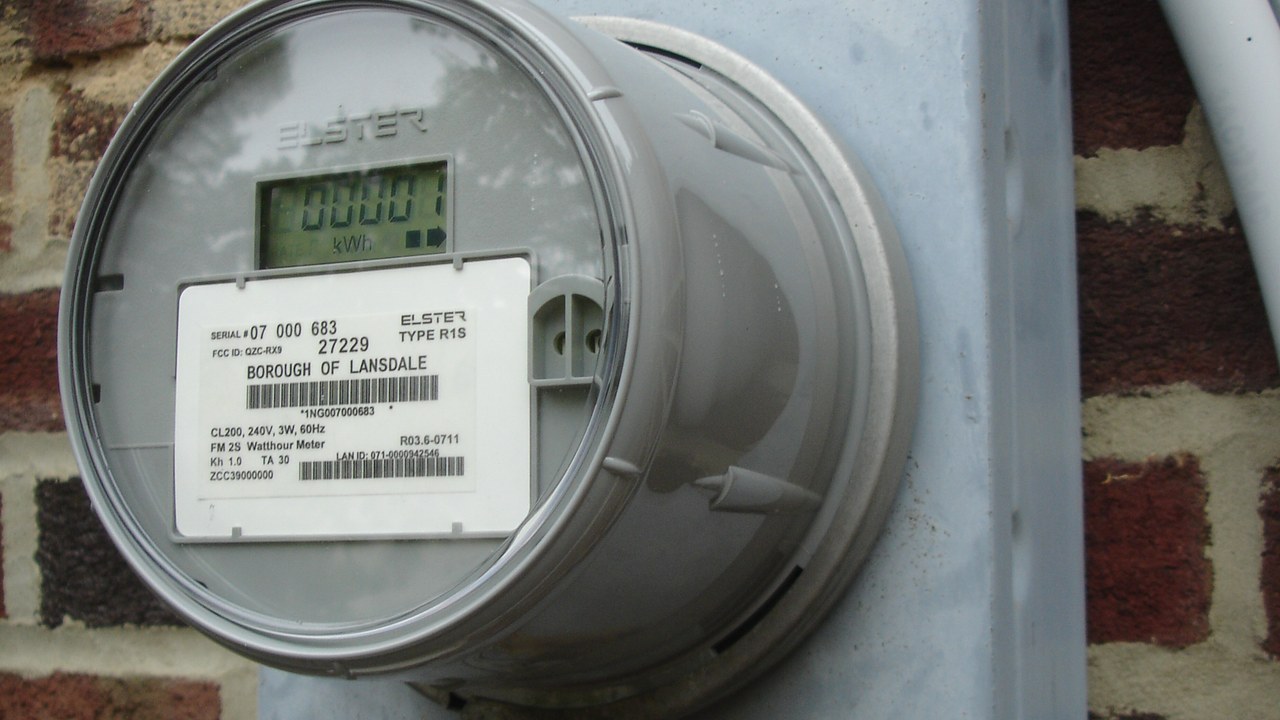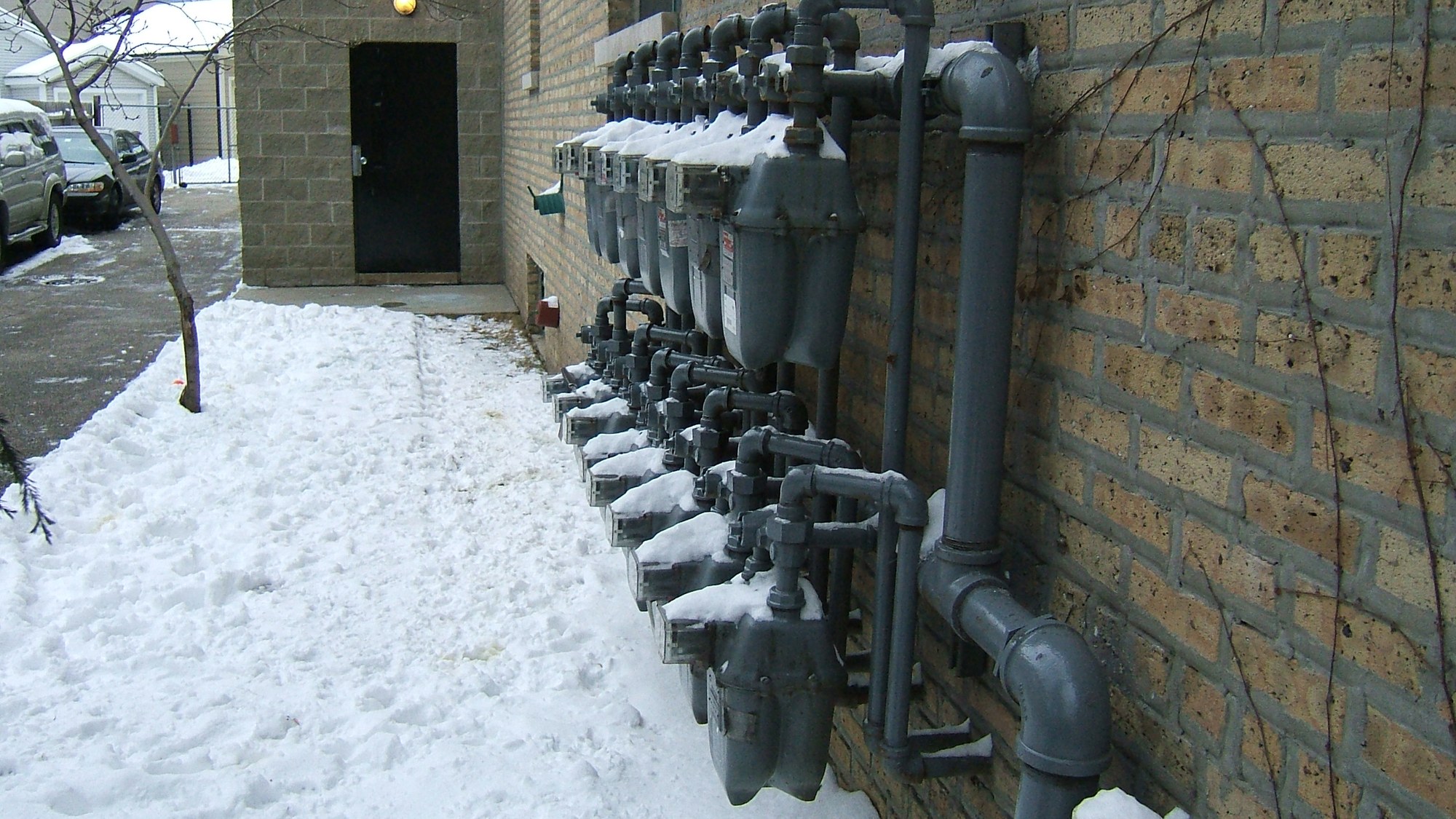
Michigan regulators meeting in Houghton on October 15 approved a $33 million rate increase for SEMCO Energy Gas Co., far less than the $61.3 million the utility asked for. A typical home using 10 dekatherms of gas a month will pay $2.80 more, starting January 1, 2027.
SEMCO serves about 300,000 customers across the Upper Peninsula and the southern Lower Peninsula. The increase is the first since December 2019, and a separate infrastructure charge will add more over the next four years.
What the Michigan Public Service Commission approved
SEMCO requested $61,251,191 in additional annual revenue, according to the Michigan Public Service Commission’s October 15 announcement in Case No. U-22002. The commission approved $33 million, a reduction of more than 46%. SEMCO said the increase was needed for capital investments, depreciation, property tax increases and rising operating and maintenance costs.
The commission set the utility’s return on equity, the profit rate it may earn on shareholder money, at 9.85%. SEMCO had requested 10.75%. The approved capital structure is 50% equity and 50% debt.
The Michigan Department of the Attorney General, the Retail Energy Supply Association, the Association of Businesses Advocating Tariff Equity and commission staff all signed the settlement, which resolved every issue in the case.
The change lands on a household budget in the middle of winter. A SEMCO customer on a fixed income has until January 1 to decide whether to ask about a payment plan or an assistance program before the higher rate starts, and the commission has a phone line for exactly that.
Retirement deadlines, in your inbox: Miss an enrollment or claim deadline and the money can be gone. Join the Retirement Money Brief and we’ll send you our Property Tax & Utility Relief Finder as a welcome gift.
Get the Brief + the relief finder →
We may earn a commission from links on this page.
Where the $2.80 comes from
For a residential customer who uses 10 dekatherms a month, the commission puts the increase at $2.80, or 3.16%, effective January 1, 2027. A dekatherm is the unit gas utilities use to measure bulk gas, roughly the energy in 10 therms. If a household used that much every month, the increase would come to $33.60 a year.
A second charge starts the same day. The infrastructure reliability improvement program, called IRIP, adds 19 cents, or 0.21%, to the typical bill beginning January 1, 2027. It rises every year until 2031, by which point it adds $2.17, or 2.29%, over the initial rate and IRIP approval.
Put together, the first year adds $2.99 a month for that typical customer, and the surcharge keeps growing. By 2031 the surcharge alone is more than ten times its starting size.
Where the money goes
Capital investment and related expenses account for 97% of the request, the commission says. The approved plan funds gas main replacement from 2027 through 2031, aimed at 37 miles a year of at-risk vintage plastic and steel pipe, along with the IRIP work through 2031.
The release also names SEMCO’s Keweenaw Connector Pipeline in the western Upper Peninsula, a project it describes as designed to provide redundancy and improve the reliability of the Upper Peninsula’s natural gas system. Commissioners toured the connector during their visit to the region.
Those same commissioners met with energy assistance, weatherization and human services organizations during the trip, according to the release. The announcement does not name the commissioners or quote them.
Other Upper Peninsula decisions the same day
The commission also approved settlements on power supply costs for two electric utilities in the Upper Peninsula. Upper Michigan Energy Resources Corp. (UMERC) had a cumulative under-recovery of $53,349 as its 2026 beginning balance, for the year ending December 31, 2025. Upper Peninsula Power Co. (UPPCO) had an under-recovery of $4,381,465 for the same period.
For UPPCO’s energy waste reduction program, the commission approved a net cumulative over-recovery of $376,184 through December 31, 2025. In a separate case, the commission found that UMERC’s 15.5-foot minimum ground clearance for pole attachments was contrary to reasonableness requirements, in a complaint from Aspire Networks, which does business as Highline Internet.
Help with a SEMCO bill
The commission’s Customer Assistance line is 800-292-9555. The agency’s Energy Affordability in Michigan page explains how energy costs change, how to read a utility bill and which programs support efficiency and affordability. It links to subpages on expanded affordability support for income-qualified customers and on getting help with a utility bill.
Filings in Case No. U-22002 are public through the commission’s e-dockets system, and its monthly newsletter and email lists carry notices of upcoming meetings and decisions. Customers who want to follow future SEMCO cases can sign up there.
The page also points to the savings programs SEMCO runs for its customers. The commission notes that its release is an aid to public understanding and not a substitute for its orders, which are the official action of the commission.
So how much will a SEMCO bill rise, and can heating help soften it? The typical household pays $2.80 more from January 1, plus 19 cents for the surcharge, about $35.88 a year at 10 dekatherms a month. Whether a given household qualifies for assistance depends on its income and the program, and the commission’s phone line is where that question gets answered.
Heating a SEMCO home when January 1 comes?
Anyone on a fixed income in SEMCO territory faces a bill that rises $2.80 a month in January and a surcharge that grows through 2031. A household that misses an assistance deadline this winter pays the higher rate without the help.
The Senior Property Tax & Home-Cost Relief Kit collects heating, cooling and home-repair help for older homeowners, along with an application log and renewal calendar. Part 5 covers utilities and home costs, and Part 7 sets out the yearly routine for keeping each program current.
Add SEMCO bill help to the Relief Kit’s application log and renewal calendar →
More Financial Reading
- 21 Ways to Stretch a $2,087 Social Security Check
- 15 Places to Find Your Share of the $4.25 Billion States Give Back
- 15 Ways Out of 22% Credit Card Interest
This article was produced with the assistance of AI and reviewed by the editorial team.