Winter energy bills in New York should look a lot like last year’s, according to the state’s Public Service Commission. The commission expects market-priced natural gas supply to average about $241 a month for the heating season, down 3.2% from last winter, while market-priced electric supply runs about $74 a month, up 4.6%.
Commission Chair Rory Christian said consumer costs are expected to remain stable or be slightly lower than last year. The figures are statewide averages, and the commission says the actual amount varies by utility, region, weather and how much energy a household uses.
What the $241 gas figure covers
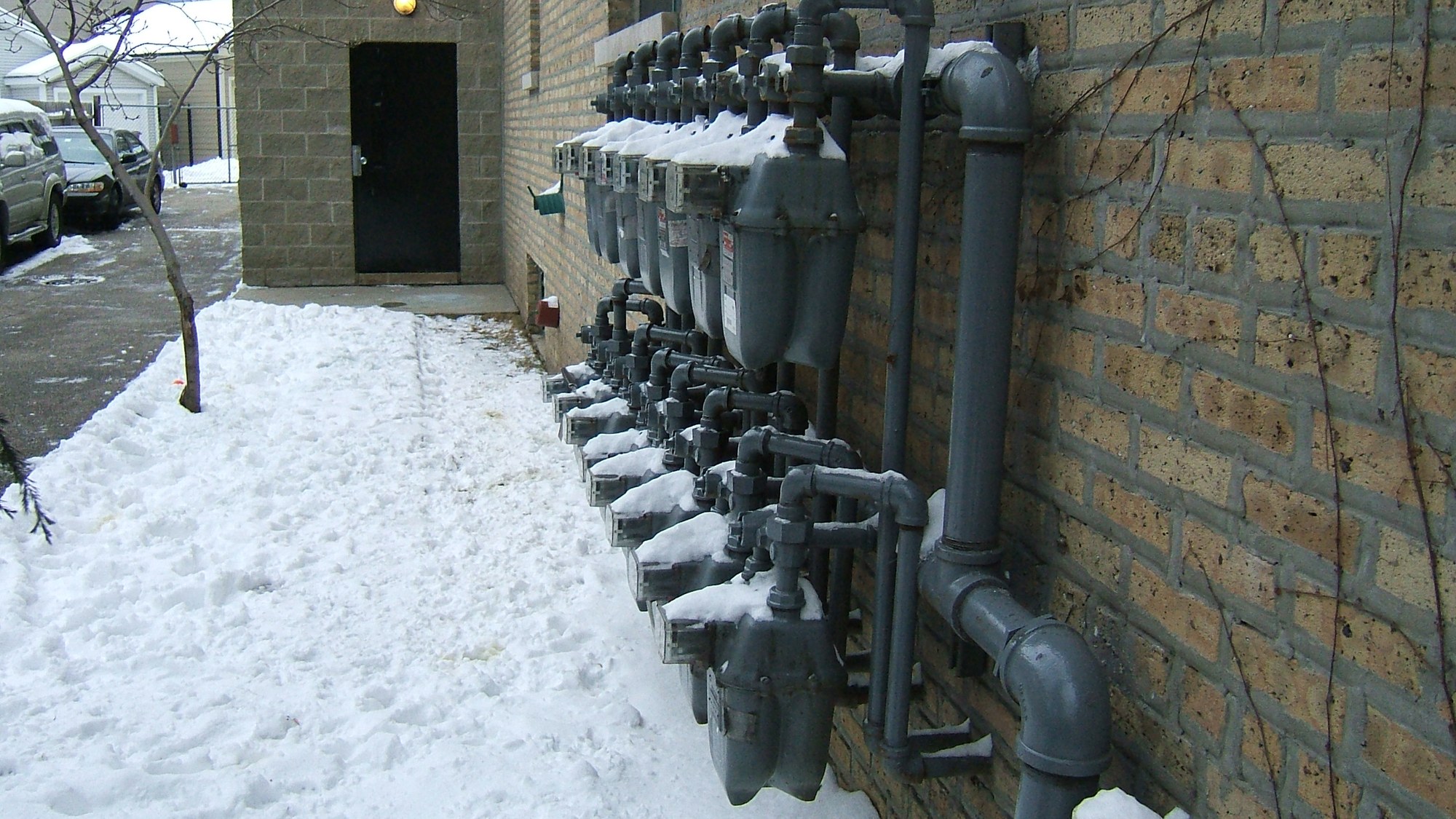
The commission’s October 15 winter outlook prices gas for a residential customer who uses 140 therms a month over the November-through-March heating season. A therm is the unit gas utilities bill by. For that customer, market-priced supply is expected to cost about $241 a month.
“Market-priced” means the supply part of the bill, which the commission does not regulate. Delivery is a separate charge, set by regulators. The commission also warns that a colder-than-normal winter would raise usage and bills, so the figure assumes normal weather.
Anyone who heats with gas should compare the $241 against their own therms on a recent bill. A household that uses more than 140 therms in January will land well above the average. The open question for those households is how the winter total looks once delivery charges are added.
Retirement deadlines, in your inbox: Miss an enrollment or claim deadline and the money can be gone. Join the Retirement Money Brief and we’ll send you our Property Tax & Utility Relief Finder as a welcome gift.
Get the Brief + the relief finder →
We may earn a commission from links on this page.
Electric supply at $74 for 600 kilowatt-hours
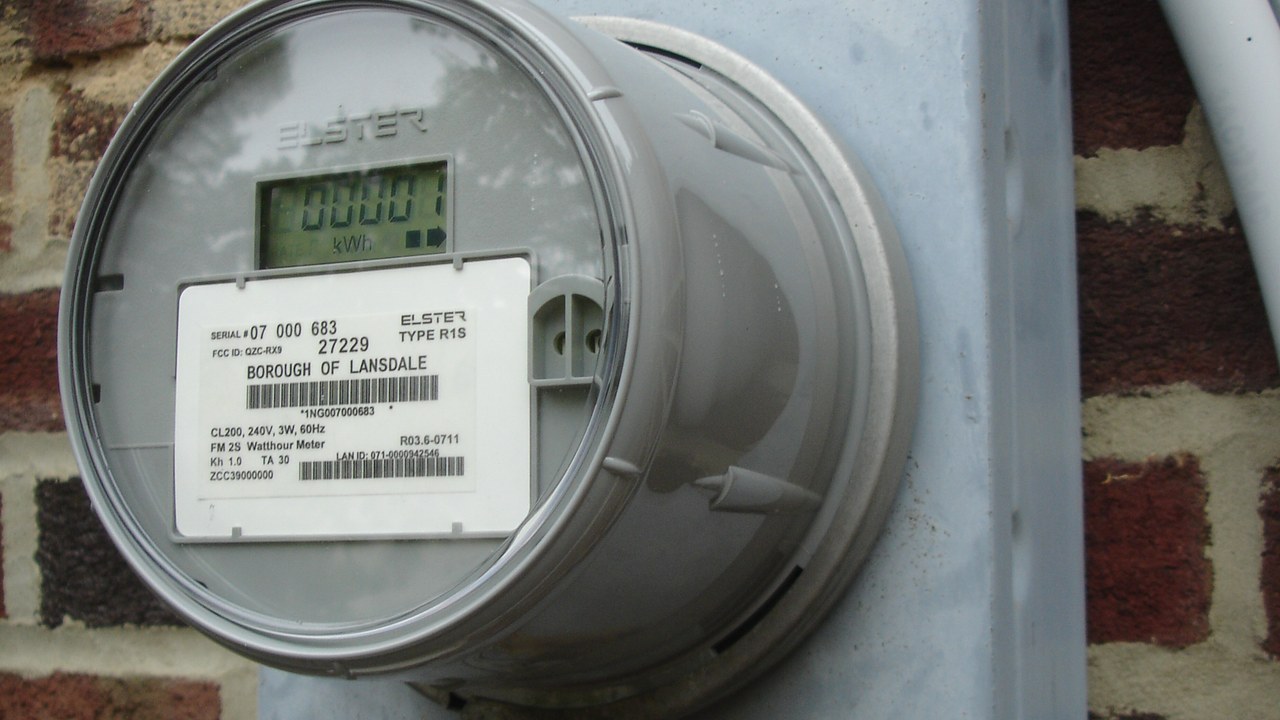
For electricity, the commission uses a residential customer who uses 600 kilowatt-hours a month. That customer is expected to pay about $74 a month for market-priced supply this winter, up 4.6% from a year earlier. Again the commission says the actual amount varies by utility.
Electric utilities have hedged about 70% of their estimated statewide full-service residential energy needs against swings in market prices, the commission says. Even with the supply increase, full-service residential commodity bills should be similar to last winter’s on a statewide average.
Gas bills are lower, but delivery rates are higher
The commission expects gas bills to be lower on average. Lower forecast commodity prices and a normal weather outlook are offsetting higher delivery rates that several gas utilities are charging this winter. The release does not name the utilities.
On supply, the commission says gas utilities report adequate supply, delivery capacity and storage for customers who cannot be interrupted, even under severe winter design conditions. Staff flagged limited gas capacity in the Capital Region and downstate but do not expect it to keep utilities from meeting demand.
Gas companies are also auditing whether retail access marketers, the independent suppliers some households buy from, have enough capacity and gas to serve customers reliably in cold weather. Investor-owned utilities must take steps to reduce price volatility for their full-service residential customers.
Reliability checks after the 2013-14 winter
Commission staff contacted major generating facilities in New York City and on Long Island to confirm they still use safeguards identified after the 2013-14 winter. Staff continue to track weather, pipeline and storage assets, and compliance by customers whose service can be interrupted, and are pursuing efficiency and demand response programs.
The commission is also working with utilities so customers stay informed. Its multilingual publications cover billing and payment options, financial assistance, winter preparedness and what to do in a heating emergency, along with ways to cut energy use and manage a bill.
Fourteen energy companies lose their eligibility
The same day, the commission revoked the eligibility of 14 energy services companies, including Sunnova Energy, PosiGen and API Energy, for unauthorized customer enrollments and other violations of its rules. The violations include using unregistered subcontractors to enroll customers.
Sunnova, PosiGen, AMS Construction and IC Energy must submit plans for how they will honor existing customer agreements. For customers of a company that lost its eligibility, service reverts to the local utility, or the customer can pick another energy provider.
The Energy Affordability Program
For households that struggle with bills, the commission points to the Energy Affordability Program, which offers monthly discounts that can total hundreds of dollars a year. Its aim is to keep typical electric and gas bills under 6% of household income, and eligible households apply online at the state’s Energy Affordability Program page after checking eligibility.
Some households are enrolled automatically through the Home Energy Assistance Program, known as HEAP, or through Public Assistance, both run by the Office of Temporary and Disability Assistance. The commission urges eligible New Yorkers to enroll, following Governor Kathy Hochul’s call. The commission offers language help at 1-800-342-3377, free of charge.
So what will heating a New York home cost this winter, and is there help? On the commission’s numbers, about $241 a month for gas supply and $74 for electric supply, before delivery charges, with colder weather pushing both up. The help is the Energy Affordability Program discount, which a household has to be enrolled in to receive.
Is your New York winter bill discount set up?
A household that is eligible for the Energy Affordability Program but never enrolls pays full price all winter, and a bill sized for 140 therms of gas leaves little room for a cold January. Missing an enrollment or renewal date is the mistake that costs the most.
The Senior Property Tax & Home-Cost Relief Kit collects heating, cooling and home-repair help in one place, with an application log and renewal calendar for every program a household signs up for. Part 5 covers utilities and home costs, and Part 8 holds the worksheets and contacts.
Log every utility discount and renewal date in the Relief Kit’s calendar →
More Financial Reading
- 21 Ways to Stretch a $2,087 Social Security Check
- 15 Places to Find Your Share of the $4.25 Billion States Give Back
- 15 Steps to Stop the Scams That Took $7.7 Billion From Seniors
This article was produced with the assistance of AI and reviewed by the editorial team.