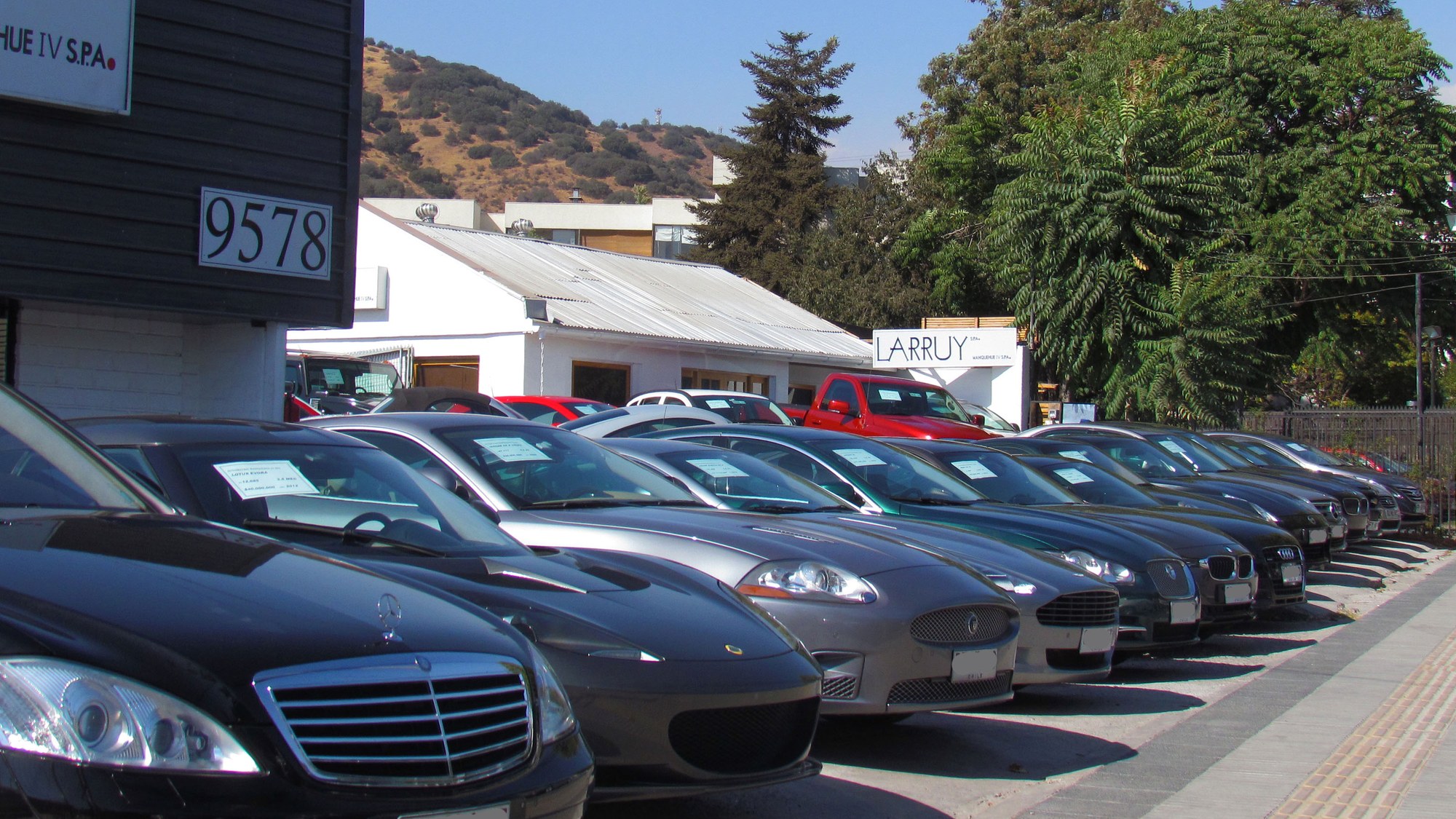
Used cars were listed for an average of $27,235 in September, the highest monthly average since December 2022, according to Cox Automotive. That is the asking price on dealer lots, not the price people paid. It is up nearly 6% from a year earlier and essentially flat from August.
The more telling number is at the bottom of the market. Used vehicles priced under $15,000 made up 15.7% of dealer inventory in September, down from 19.4% a year ago. For shoppers on a tight budget, the cheap used car is getting harder to find.
Three months above $27,000
Scott Vanner, manager of economic and industry insights at Cox Automotive, wrote up the numbers in an October 16 inventory analysis. September was the third month this year above $27,000, after June and August. August’s average was revised to $27,223, so the September figure barely moved.
Dealers had 2.21 million used vehicles on their lots, up 3.9% from August and 3.3% from a year ago. The supply is above the levels of September 2023 and 2024 but below the roughly 2.42 million of September 2022. Total days’ supply, the time it would take to sell what is on hand at the current pace, rose to 49 days from 44.
Why the cheap end is thin
Cheap cars do not sit. Cox says vehicles under $15,000 had a days’ supply of 34, which is 15 days below the industry average of 49. The supply of those vehicles also fell 16.2% from a year earlier.
“Affordable used-vehicle options remain limited,” Cox wrote. A car that sells in 34 days leaves a shopper with little time to compare, and fewer choices to compare against.
For anyone shopping for a used car on a fixed income, the question is whether to buy now at an elevated asking price or wait. The Cox numbers say the average listing is the highest in nearly four years, yet the sub-$15,000 cars are the ones moving fastest. Anyone who needs a car under that line should expect to act within weeks of finding one, not months.
Retirement deadlines, in your inbox: Miss an enrollment or claim deadline and the money can be gone. The Retirement Money Brief keeps you ahead of the ones that matter, every weekday.
Get the Retirement Money Brief →
We may earn a commission from links on this page.
Wholesale prices are heading the other way
Dealers buy cars at auction before they list them. Cox’s Manheim Used Vehicle Value Index, which tracks wholesale prices, stood at 205.9 for September. That was down 1.1% from August and down 0.6% from a year earlier.
Dealers who pay less at auction have more room to cut an asking price. The Cox inventory report does not predict that listing prices will fall, and September’s average held near its high.
The government’s own price measure shows the same softness. The Bureau of Labor Statistics said in its September consumer price index that used cars and trucks rose 0.7% in the month but fell 1.5% over 12 months. That index follows comparable vehicles, so it does not move when buyers shift to different cars.
The wider price picture
The same BLS release put overall consumer prices up 0.6% in September and 3.7% from a year earlier. Against that backdrop, used cars and trucks, down 1.5% over 12 months, got cheaper in relative terms. New vehicles in the index rose 0.6% over the year.
Buyers are watching the cost of driving as well as the cost of buying. The Energy Department’s weekly survey had regular gasoline at $4.331 a gallon in the week of October 12, up $1.27 from a year before. A cheaper used car does not offset a fuel bill that large for people who drive daily.
Sales slowed while credit loosened
Cox estimated retail used sales at 1.35 million in September. That is up 2% from a year ago and down 6.3% from August. The slower pace is why inventory grew faster than sales. Inventory rose 3.9% while the sales pace fell 6.3%, which Cox says added five days of supply.
Vanner’s analysis describes shoppers in blunt terms: consumers “are doing what it takes to get into their next vehicle.” That helps explain why average asking prices hold near a high even as sales dip and the cheapest cars sell out quickly.
Certified pre-owned sales, which carry a manufacturer-backed warranty, were estimated at 213,525. That is up 10% from a year ago and down about 6% from August’s 227,204. Ford, Chevrolet, Toyota, Honda and Nissan were the top-selling used brands, together more than 49% of retail used sales.
Cox also pointed to easier borrowing. Credit access, as measured by the Dealertrack Credit Availability Index, reached its highest level since April 2015.
Is now a bad time to buy a used car?
The data point two ways. The average listing is at a 2022 high, the cheapest cars are scarcer, and credit is easy. Meanwhile wholesale prices and the government’s used-car index are lower than a year ago.
The Consumer Financial Protection Bureau’s auto loans page says negotiating loan terms “can save you hundreds or even thousands of dollars over the life of your loan.” It also points shoppers to its Auto Loan Shopping Sheet and lists “you owe more than your vehicle is worth” among the common problems. For a buyer facing a $27,235 average, the loan terms may matter as much as the sticker.
Anyone close to buying should also read the paperwork. The bureau tells buyers to confirm the documents match the deal they agreed to and that everyone has signed before they leave. The bureau’s phone line for questions is (855) 411-2372.
Cox’s inventory analysis is the free source for the monthly numbers, and it publishes a new one each month. The next one will show whether the under-$15,000 share keeps falling from 15.7%.
Hunting for a used car under $15,000 this fall?
Cars under $15,000 are 15.7% of dealer inventory and sell fast, so a shopper on a fixed income has few cheap choices and little time. Every dollar that goes to a $27,235-style asking price comes out of the same monthly budget as medicine, utilities and food.
The Benefits Checklist scans eleven benefit programs retirees most often miss, from Medicare Savings Programs and Extra Help to SNAP and heating help, and lists the 2026 income limits for each. It ends with a printable application tracker, so the household can see which programs are worth an application before taking on a car payment.
Scan the Benefits Checklist’s 11 programs and 2026 income limits before buying a used car →
More Financial Reading
- 21 Ways to Stretch a $2,087 Social Security Check
- 15 Places to Find Your Share of the $4.25 Billion States Give Back
- The New $6,000 Senior Deduction and 14 More Tax Moves for Retirees
This article was produced with the assistance of AI and reviewed by the editorial team.