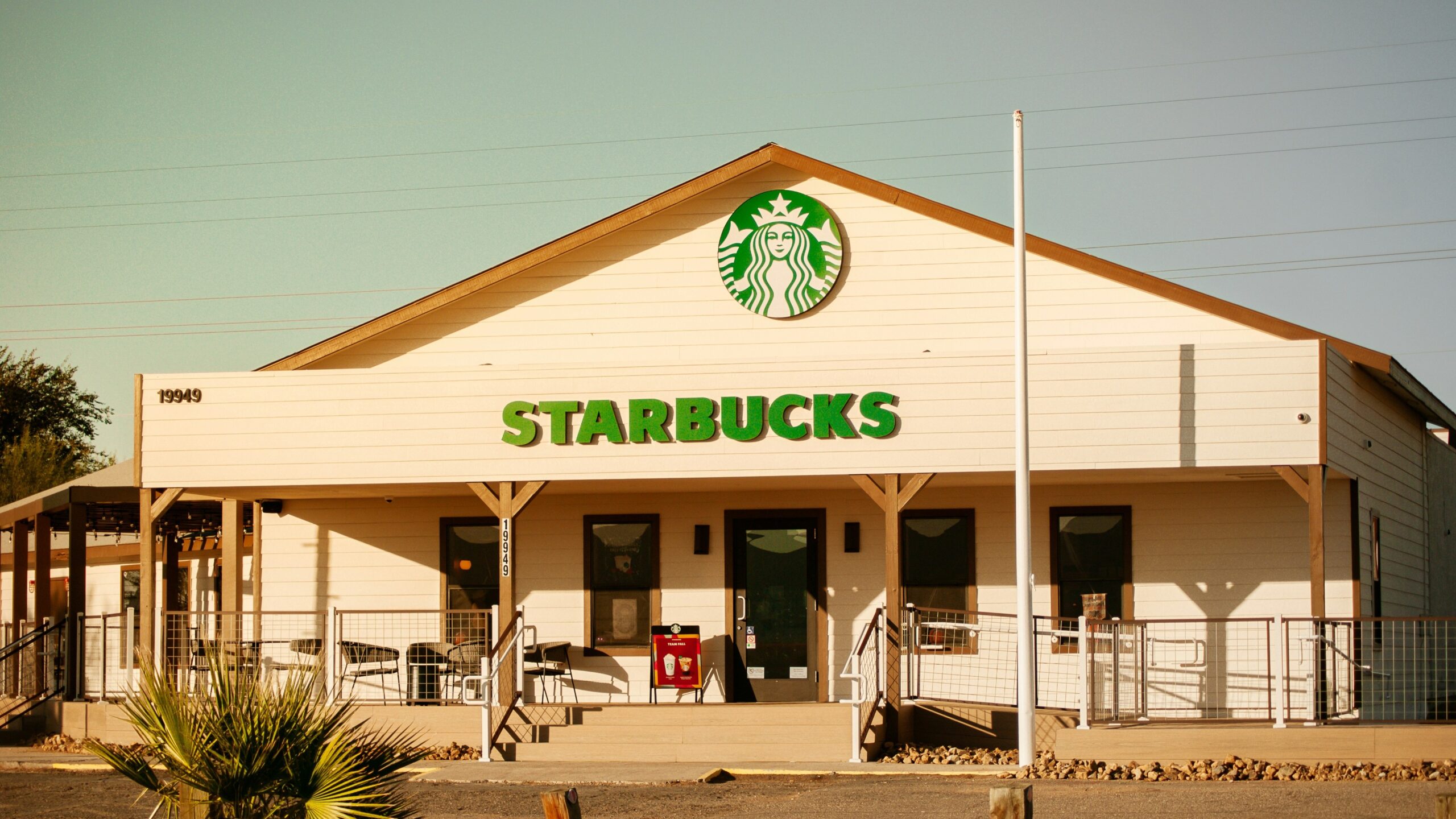
Starbucks closed about 250 coffeehouses across North America in late September, the second large round of closings under Chairman and CEO Brian Niccol. The company told employees on Sept. 24 that the stores would shut later that week, according to the Associated Press report carried by OPB. It has not said how many of the 250 are in the United States.
The closings amount to about 1% of the more than 18,000 coffeehouses Starbucks runs in North America, according to the company’s Form 8-K filing with the Securities and Exchange Commission. The filing puts the cost at about $300 million.
Starbucks has not published a list of the stores. That leaves customers and workers guessing, and it is the first question for anyone who buys coffee at a neighborhood shop or draws a paycheck from one. A closing store means a longer drive for the same cup. For the people who work there, it means a transfer to another store or severance support, Starbucks says.
Retirement deadlines, in your inbox: Miss an enrollment or claim deadline and the money can be gone. The Retirement Money Brief keeps you ahead of the ones that matter, every weekday.
Get the Retirement Money Brief →
We may earn a commission from links on this page.
What Starbucks told its employees
Chief Operating Officer Mike Grams laid out the plan in a letter to employees. He wrote that the targeted coffeehouses either are not delivering acceptable financial results or cannot give customers and workers the experience Starbucks wants. “Some coffeehouses continue to underperform despite the hard work and commitment of all of you,” Grams wrote, as quoted by the AP.
Grams also said that most North American stores remain profitable and that closing any coffeehouse is a difficult decision, according to a trade report on the letter. He said the company remains committed to growing its North American store count.
The $300 million bill
Starbucks’ board approved the action on Sept. 22 as part of what the company calls its “Back to Starbucks” strategy. The filing says most of the closures were expected by the end of fiscal 2026, which ended Sept. 30. A large share of the charges lands in that same fiscal year.
About $200 million of the $300 million is cash, mainly to get out of leases and to pay employee separation benefits. The other $100 million is non-cash, and comes from disposing of or writing down the assets inside the closed coffeehouses. Those assets are the counters, ovens and fixtures that no longer earn their keep.
Fewer new stores than planned
The closings change Starbucks’ growth math. The company now expects about 440 net new coffeehouses worldwide in fiscal 2026, down from earlier guidance of 600 to 650, the 8-K says. It attributes the cut to the roughly 250 North American closings, partly offset by more openings overseas.
Starbucks still says it sees “significant longer-term growth opportunity” in North America and is building a pipeline of new locations. The AP adds that Starbucks has been retrofitting North American stores to make them cozier, and expected 1,500 of them done by Sept. 30. Grams wrote that the progress “has given us a clearer view of the performance of every coffeehouse.”
How big the North American footprint is
At the end of fiscal 2025, on Sept. 28, 2025, Starbucks had 18,311 coffeehouses in North America, according to its annual report. Of those, 11,018 were company-operated and 7,293 were licensed, which means run by partners such as grocery stores and airport operators. In the United States alone, the company ran 10,047 stores and licensed 6,813.
Starbucks has not said whether the 250 closings are all company-operated or include licensed sites. Against that base, 250 is a small slice. Last year’s round was larger: the annual report says 877 company-operated stores closed during fiscal 2025, and 627 of them closed in the fourth quarter as part of the restructuring plan.
Investors took the news calmly. Starbucks shares rose less than 1% in premarket trading the day of the announcement, the AP reported.
A second round in two years
This is not the first sweep. Last September, Starbucks closed 627 stores in North America and Europe and laid off 900 non-retail employees, the AP reports. In May, it cut another 300 corporate employees and closed some underused U.S. offices.
Union stores are part of the background. More than 700 U.S. Starbucks stores have voted to unionize since late 2021, and the company and the union have yet to reach a labor agreement, according to the AP. Starbucks did not say how many of the stores it closed were unionized.
For workers, the company says it will transfer employees to other stores where it can. Those it cannot place will get severance support. Starbucks has not said how many employees that covers.
What Starbucks has not said
The company has not named the stores, the cities or the states. It has not said how many of its workers are affected, or how many of the closed stores were union shops. Niccol joined the company in 2024, the AP notes, and these are the second large closings since.
What the filing does settle is the money. About 1% of North American coffeehouses are gone, roughly $300 million in charges lands mostly in fiscal 2026, and the new-store forecast for the year fell by about 160 to 210 net openings.
Was your household income tied to one of the 250 stores?
A closing store is a lost paycheck or lost hours for someone, and Starbucks has not said who is on the list or how far its severance goes. When household income drops, several programs that cover food, drug costs and heating need to be applied for, and they do not start on their own.
This is a turn from the closings story to the household budget behind it. The Benefits Checklist scans 11 benefit programs, from Medicare Savings Programs and Extra Help to SNAP and heating help, with the 2026 income limits and a 50-state phone directory. A printable tracker comes with the download.
More Financial Reading
- 21 Ways to Stretch a $2,087 Social Security Check
- 15 Places to Find Your Share of the $4.25 Billion States Give Back
- 15 Steps to Stop the Scams That Took $7.7 Billion From Seniors
This article was produced with the assistance of AI and reviewed by the editorial team.