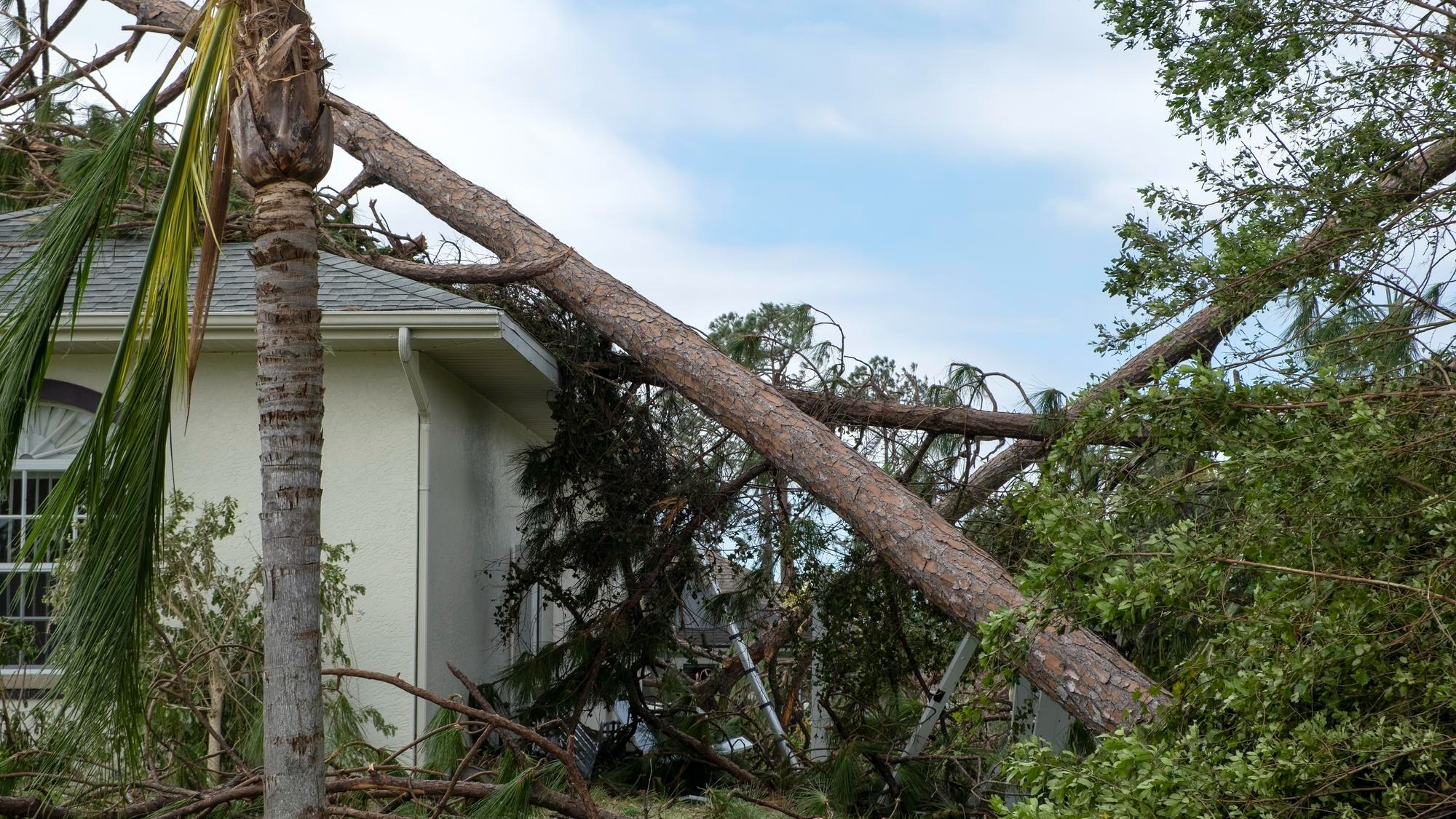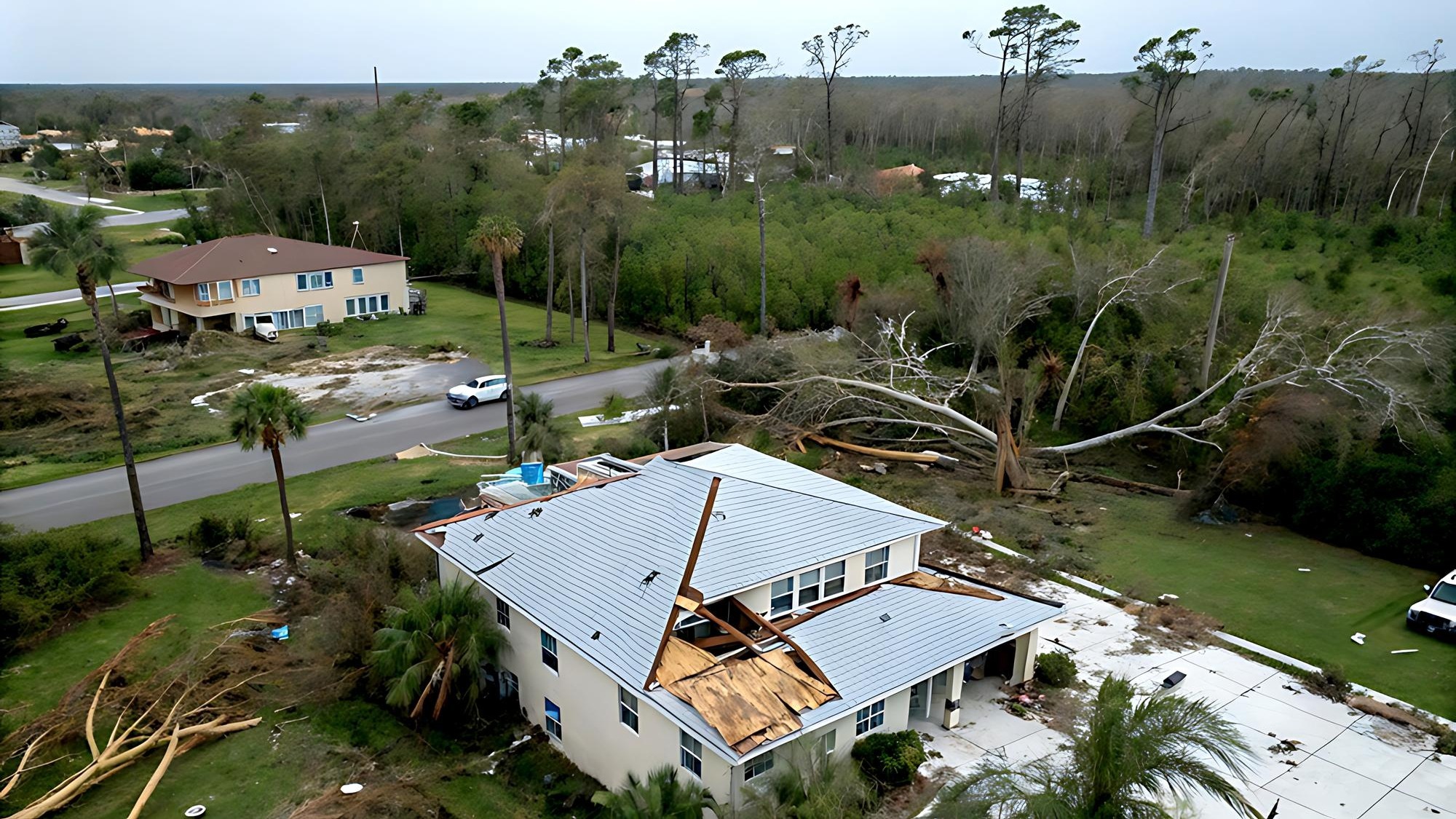
Florida Attorney General James Uthmeier has subpoenaed Velocity Risk Underwriters over policy clauses that can void a homeowner’s entire claim if the homeowner hires a public adjuster. His office announced the investigation Oct. 20. The question for Florida homeowners with hard-to-insure properties is whether the policy on the kitchen table lets them bring in an outside expert after a storm.
What the subpoena asks Velocity to hand over
The attorney general’s Oct. 20 announcement says the office opened an investigation and sent a document subpoena to Velocity Risk Underwriters, LLC. It targets what the office calls “anti-public adjuster” clauses. The office wants to know whether insurers agreed among themselves to keep homeowners from hiring their own licensed adjusters.
The subpoena asks Velocity for three kinds of records: its membership in trade groups, its communications with other insurance companies, and any agreements to stop homeowners from using public adjusters. Uthmeier said his office is looking into “whether Velocity and other insurance companies worked together to ban public adjusters so they could pay out less money.”
He framed the issue as fairness. “Insurance companies use their own adjusters,” he said, and homeowners should be able to hire an advocate on their side too. Homeowners, especially those rebuilding after a hurricane, “should have a fair chance to get the full value of their claim,” Uthmeier said.
This is an investigation, not a case. The announcement reports no charges, no penalty and no finding of wrongdoing. It does not name other insurers, say how Velocity responded or give a timeline. Velocity, which the release says writes thousands of these policies in Florida covering millions of dollars in premiums, is the only company named.
The clause that can cost a whole claim
A public adjuster is a licensed professional who works only for the homeowner. After storm damage, the adjuster inspects the property, estimates repair costs and deals with the insurer. The attorney general’s office says homeowners who use one can receive up to 30 percent more on their claims than homeowners who do not.
Under an anti-public-adjuster clause, hiring one lets the insurer reject the entire claim, according to the release. The clauses turn up mainly in surplus lines policies, the coverage Florida homeowners often end up with when a house is hard to place, such as beachfront homes and homes with older roofs.
What changed this year: Social Security and Medicare change every year, and nobody sends you a memo. The Retirement Money Brief breaks down what changed and what to do. Bonus when you subscribe: our Will My Social Security Be Taxed? Worksheet.
Get the Brief and the tax worksheet →
We may earn a commission from links on this page.
A lawsuit already tests the same wording. The Florida Association of Public Insurance Adjusters and the National Association of Public Insurance Adjusters sued Velocity in Miami-Dade Circuit Court, Insurance Journal reported in November 2025. The groups argue some endorsements are not allowed under Florida statutes and violate the rights of adjusters and policyholders.
The complaint, as the magazine describes it, alleges that Velocity will not investigate a loss until the policyholder shows he or she has dropped any public adjuster. It calls that “plainly coercive for the insured after a loss.” Some Florida adjusters have been forced to end their work for clients because of the endorsement, the groups allege. Velocity did not respond to the magazine’s request for comment.
Insurance Journal said at least six Florida property insurers use such endorsements, with Velocity’s appearing in surplus lines policies. It also reported that four admitted carriers asked the state Office of Insurance Regulation to approve optional endorsements giving premium discounts to policyholders who agree not to use public adjusters: American Integrity, Orange Insurance Exchange, Safe Harbor and US Coastal Property and Casualty.
The regulator’s spokesperson, Shiloh Elliott, said those optional endorsements “allow policyholders to choose whether or not they would like to use a public adjuster.” That describes a discount offered in exchange for a promise. A clause that voids a claim after the fact is a different mechanism, and it is the one the attorney general named.
What Florida law says about hiring an adjuster
Florida’s public adjuster statute, section 626.854, limits what an adjuster can charge. Compensation is capped at 20 percent of claim payments. For claims made in the first year after the governor declares a state of emergency, the cap is 10 percent.
That fee comes out of the recovery, so the attorney general’s “up to 30 percent more” is a ceiling on the gain, not a net figure. The statute also lets a homeowner cancel an adjuster’s contract without penalty within 10 days of signing, and requires a written, itemized estimate within 60 days or the homeowner may cancel.
The same section protects the adjuster’s place in the process. An insurer may not exclude the public adjuster from its in-person meetings with the policyholder, and insurers must give at least 48 hours’ notice before an inspection. The insurer keeps the right to the information it needs to investigate the claim.
Nothing in that section speaks to a policy clause that voids a claim because a homeowner hired an adjuster, and the Miami-Dade plaintiffs argue such endorsements are not permitted. Homeowners with surplus lines coverage can find the answer for their own house in the endorsements attached to the policy, which is where Velocity’s wording would appear.
The subpoena leaves one practical question for those homeowners: whether the policy they hold carries the clause at all. The Florida attorney general’s investigation has not said whether other insurers will be named, and the answer will decide how many policies are involved.
Is the clause sitting in a Florida surplus lines policy?
A homeowner who learns after a hurricane that the policy lets the insurer reject the whole claim over an outside adjuster has lost the recovery at the moment repair bills arrive. On a fixed income, the cost of a rebuild lands on the same budget that pays everything else.
The Florida subpoena is an insurance story, and the Benefits Checklist does not review policies or claims. It finishes a related household-cost job: it scans 11 benefit programs retirees often miss, including senior property-tax breaks and free weatherization, with the 2026 income limits and a 50-state phone directory.
Get the benefits checklist for home-cost help on a fixed income →
More Financial Reading
- 21 Ways to Stretch a $2,087 Social Security Check
- 15 Places to Find Your Share of the $4.25 Billion States Give Back
- 17 Medicare Money Moves Now That Part D Caps at $2,400
This article was produced with AI assistance and edited for accuracy against the sources linked above.