FEMA now lets people buy a National Flood Insurance Program policy entirely online, with no agent in the middle, but the coverage still does not start for about 30 days. The self-service option launched Oct. 20 and works in the roughly 22,700 communities that take part in the program. Someone who buys on Oct. 21 would not be covered until around Nov. 20.
What the new FloodSmart tool does
FloodSmart.gov says its NFIP Policy Tool “makes it easier for Americans to buy a flood insurance policy online.” Buyers answer questions about the property on FEMA’s flood insurance site, get a quote and can finish the purchase there or hand the quote to an agent. The page gives no premium figures.
The option builds on a quoting tool FEMA launched in late 2024, which sent buyers to an insurer to complete the sale. The new version removes that step, according to a report on FEMA’s announcement. It is open to anyone in a participating community, and the NFIP help line is (877) 336-2627.
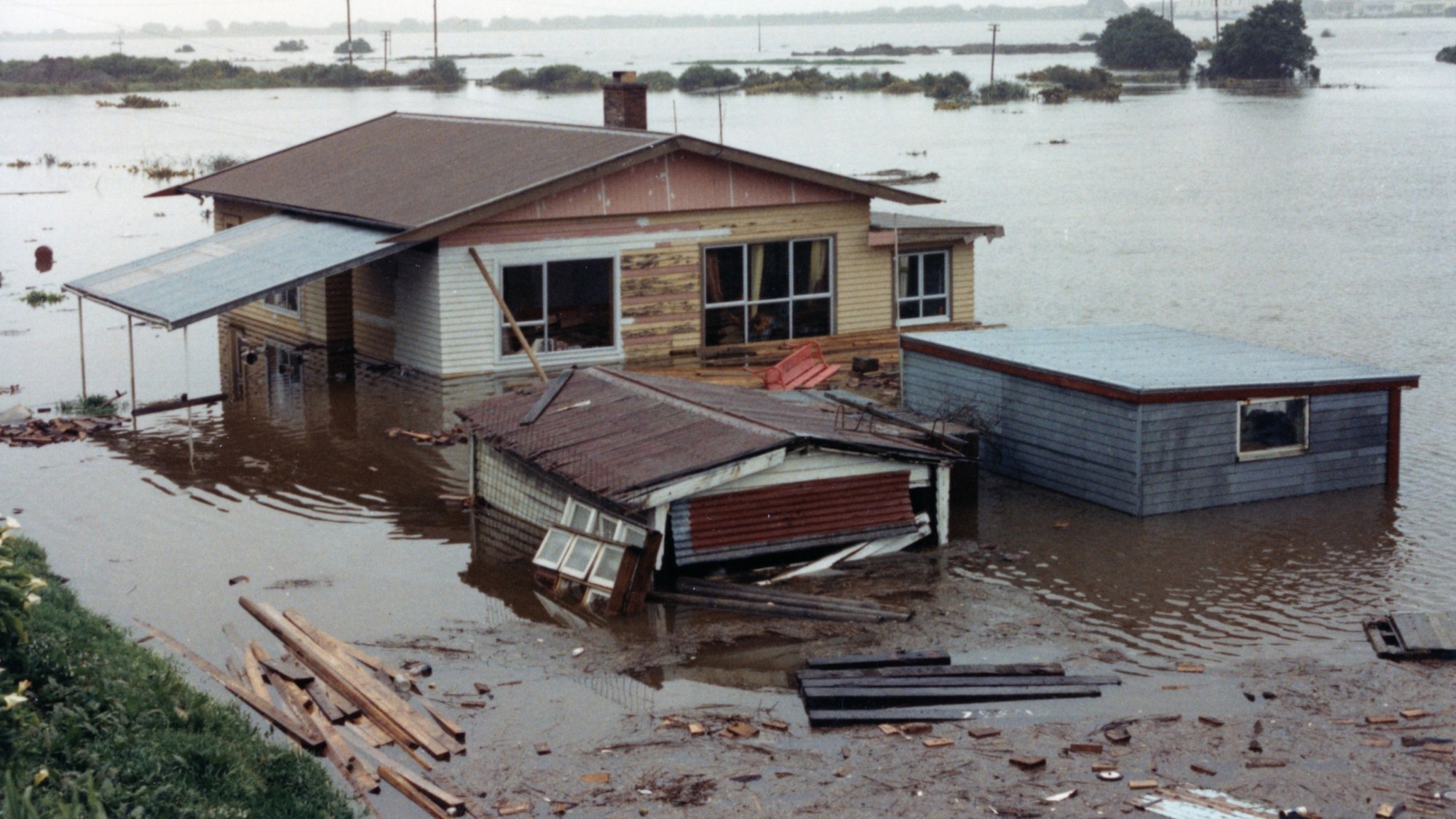
FEMA calls flooding the nation’s most common and costly natural disaster. Standard homeowners policies mostly exclude flood damage, so flood coverage is a separate purchase. The program covers about 186,500 policyholders in South Carolina, with roughly $51.9 billion in coverage. In Illinois, public radio station WSIU reported an estimated 38,000 to 57,000 active policies, about 1.3% of homes.
Why the 30-day wait still applies
FEMA states the rule plainly: “There is a 30-day waiting period between purchasing a policy and the date the policy goes into effect,” in its flood insurance guidance. A faster checkout does nothing to that clock. Anyone who buys after a storm is forecast generally will not be covered for that storm.
Retirement deadlines, in your inbox: Miss an enrollment or claim deadline and the money can be gone. Join the Retirement Money Brief and we’ll send you our Property Tax & Utility Relief Finder as a welcome gift.
Get the Brief + the relief finder →
We may earn a commission from links on this page.
The waiting period has exceptions, and the current rules keep them. FEMA’s flood insurance manual still carries shorter-wait cases for policies tied to a loan, for map revisions and for the aftermath of wildfires. Buyers who think one applies should ask an agent or the NFIP help line before counting on an earlier start.
A June 2 memo, Bulletin W-26001, adds a limit at the other end. Elizabeth Asche, FEMA’s assistant administrator for the Federal Insurance Directorate, wrote that a policy can take effect after the waiting period ends, but no more than 90 days after the application date. That caps how long an effective date can be pushed back.
A Dec. 11 date sits behind the wait
Congress controls how long FEMA can write new policies. The Congressional Research Service says the program is authorized until December 11, 2026, the date set by the latest extension, Public Law 119-103. Unless lawmakers reauthorize it, the authority to write new policies expires that day.
A lapse would not cancel what is already in force. The research service says contracts entered before the expiration continue until the end of their one-year term. New policies could not be written while the program is lapsed, so anyone who waits past Dec. 11 without a reauthorization in place could find nothing to buy.
The two clocks overlap. A buyer on Oct. 21 gets a start date around Nov. 20, well ahead of Dec. 11. A buyer who waits until Nov. 11 would see coverage begin around Dec. 11, the same day the authority runs out. Because the contract would already exist, it would continue, but the margin shrinks week by week.
What changes on Dec. 1 for policyholders
The same memo lists changes for policies effective Dec. 1, 2026. It states no premium changes and no changes to the Reserve Fund Assessment, the HFIAA Surcharge, the Federal Policy Fee or the Probation Surcharge. Declarations pages gain a pointer to floodsmart.gov/premiumcosts, which explains how premiums are calculated.
Most of the other changes are administrative. Insurers must keep a copy of the USPS postmark date in the policy file for payments that carry one. The NFIP Direct mailing address and the general inquiry email change to FEMA-NFIPCustomerServiceCenter@fema.dhs.gov. Insurers must also tell the policyholder, agent and lender when a policy is provisionally rated. Underwriting guidance also changes for masonry and frame construction types, elevation certificate address matching and building replacement cost exemptions on contents-only policies.
Two changes touch the renewal side. The “Renewal Notice” becomes the “Renewal Bill,” and the online payment instructions are reworded. Cancellation Reason Code 03, used when a policy is rewritten to match other coverage, now warns that the new policy may lose statutory discounts, including the Annual Increase Cap, which may raise the premium.
That warning matters to anyone shopping around once buying is easy. A policyholder who cancels and rewrites a policy in search of a better price can give up the Annual Increase Cap. The open question after the launch is whether an online checkout makes flood coverage cheaper, and nothing FEMA has published says it does.
Is flood cover the next bill on the house?
Flood coverage that starts 30 days after purchase, from a program whose authority to write new policies runs out Dec. 11, leaves a short window, and the premium is only one of the bills that come with owning a home. Heating, cooling and repair costs land on the same budget.
This kit does not price or sell flood coverage. The Senior Property Tax & Home-Cost Relief Kit covers the other costs of keeping a house, including heating, cooling and home-repair help and an application log and renewal calendar. Part 6 covers repairs, insurance and staying put.
Cut home costs with the relief kit and its renewal calendar →
More Financial Reading
- 21 Ways to Stretch a $2,087 Social Security Check
- 15 Places to Find Your Share of the $4.25 Billion States Give Back
- 15 Steps to Stop the Scams That Took $7.7 Billion From Seniors
This article was produced with AI assistance and edited for accuracy against the sources linked above.