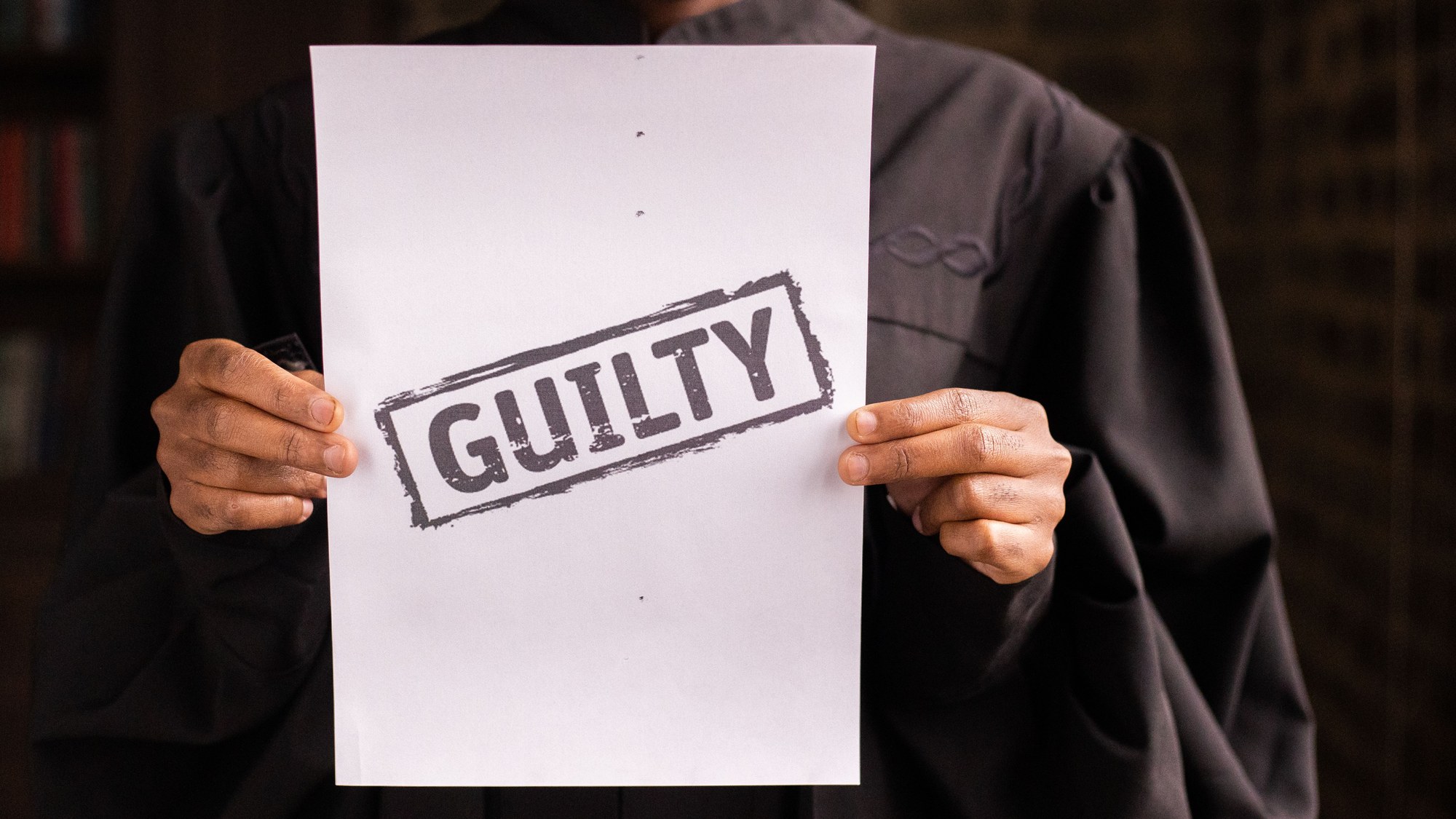
Joshua Wander, the founder and former chief executive of the Miami investment firm 777 Partners, has pleaded guilty to wire fraud and securities fraud. Prosecutors say the scheme cost lenders and investors more than $500 million, and Wander agreed to forfeit at least $500 million. The U.S. Attorney’s Office in Manhattan announced the plea on October 15, and sentencing is set for March 1, 2027.
What Wander pleaded to, and what is still ahead
Wander pleaded guilty to one count of wire fraud and one count of securities fraud before U.S. District Judge J. Paul Oetken. Each count carries a maximum of 20 years in prison. The U.S. Attorney’s Office notes that the judge, not the statute, will set any actual sentence, and that happens at the March 1, 2027 hearing.
U.S. Attorney Jamie McDonald said Wander “used his company, 777 Partners, to steal hundreds of millions of dollars from private creditors and investors.” McDonald added that such conduct will not be tolerated. The FBI and Homeland Security Investigations investigated, with help from the Securities and Exchange Commission, and the release names no other defendant.
The forfeiture figure is the headline number. Wander agreed to give up at least $500 million in proceeds of the scheme. A forfeiture order is the government’s claim on money and property tied to a crime, and it is separate from sentencing. The release does not say how any forfeited money would reach the people who lost it.
Retirement deadlines, in your inbox: Miss an enrollment or claim deadline and the money can be gone. Join the Retirement Money Brief and we’ll send you our Open Settlements & Refund Tracker as a welcome gift.
Get the Brief + the settlements tracker →
We may earn a commission from links on this page.
How prosecutors say the money moved
According to prosecutors, 777 Partners began in structured settlements, the business of buying and financing the payment streams that come from legal settlements. Lenders advanced money restricted to that business. Wander allegedly used the funds to cover acquisitions of airlines and professional sports teams, plus the firm’s expenses.
Prosecutors also say he pledged structured settlement assets that the firm had never bought, or had already pledged to other lenders. Employees were allegedly told to alter bank statements digitally so the firm appeared to hold cash it did not have. In March 2022, one lender who was asked for a $20 million loan allegedly received doctored statements.
The scheme began to unravel in March 2023, prosecutors say, when a lender confronted Wander about assets pledged twice. He blamed a computer error and later called the double-pledging inadvertent, according to the release. Wander resigned as chief executive in 2024.
Investors are a second group of victims. The release says that in 2021 and 2022, Wander raised more than $200 million from outside investors through preferred equity interests in 777 Partners and an affiliate. Prosecutors say the firm’s financial condition was misrepresented to those investors.
A separate SEC case still names Wander
The Securities and Exchange Commission sued Wander and others in October 2025 in the same Manhattan federal court. Its litigation release alleges a preferred equity offering that raised about $237 million from January 2021 to May 2024. Co-founder Steven Pasko and former chief financial officer Damien Alfalla are also defendants, along with 777 Partners and 600 Partners.
The SEC’s complaint says investors were promised a 10 percent annual dividend. It alleges about $33 million of investor money went to Wander and Pasko, and that a credit facility was overdrawn by about $300 million without disclosure to investors. These are allegations in a civil case, and the criminal plea does not resolve them.
The SEC asked for injunctions, disgorgement of gains with interest and civil penalties, and the complaint seeks bars on serving as an officer or director. The litigation release describes no resolution. Wander’s guilty plea covers the criminal charges only, and the SEC case continues on its own track.
The complaint breaks the $237 million into four raises from 13 investors. The largest came on September 21, 2021, when $211 million arrived from eight investors. Smaller raises followed in December 2021, August 2022 and February 2023. The SEC says the units carried a dividend of about $25 million a year.
The same document describes the firm’s biggest operating unit, SuttonPark, which bought annuities that began as tort settlements or lottery payouts. That work resembles the structured settlement business the criminal release describes. The SEC alleges SuttonPark’s credit line was overdrawn by about $300 million by September 2021, and that compliance reports were falsified to hide it.
Where recovered money goes is still open
A plea and a forfeiture promise are not a payout. The U.S. Attorney’s Office does not say whether or when victims would be repaid, or who counts as a victim for that purpose.
That leaves a question for people holding money tied to 777 Partners or to similar structured settlement and preferred equity deals. Court orders, notices and any claims process will follow the forfeiture and the March sentencing. The release gives no date for either, so dates will have to be tracked as they arrive.
Will a notice about the 777 Partners money ever reach an investor?
After a fraud plea, the notices that matter come by mail or on a court docket, and the dates in them are short. A person tied to the 777 Partners case who misses the date on a notice can lose the chance to file for any recovery that is eventually opened.
The Settlement & Refund Recovery System turns that into a routine. It teaches the four-date rule for reading a settlement notice and gives a claim log and payment tracker, plus a 5-tab Excel tracker pre-filled with all 51 state unclaimed-property offices. The case itself offers no claim process yet; the kit is for tracking money owed once one appears.
Get the four-date notice rule and claim tracker in the system →
More Financial Reading
- 21 Ways to Stretch a $2,087 Social Security Check
- 15 Places to Find Your Share of the $4.25 Billion States Give Back
- 15 Ways Out of 22% Credit Card Interest
This article was produced with AI assistance and edited for accuracy against the sources linked above.