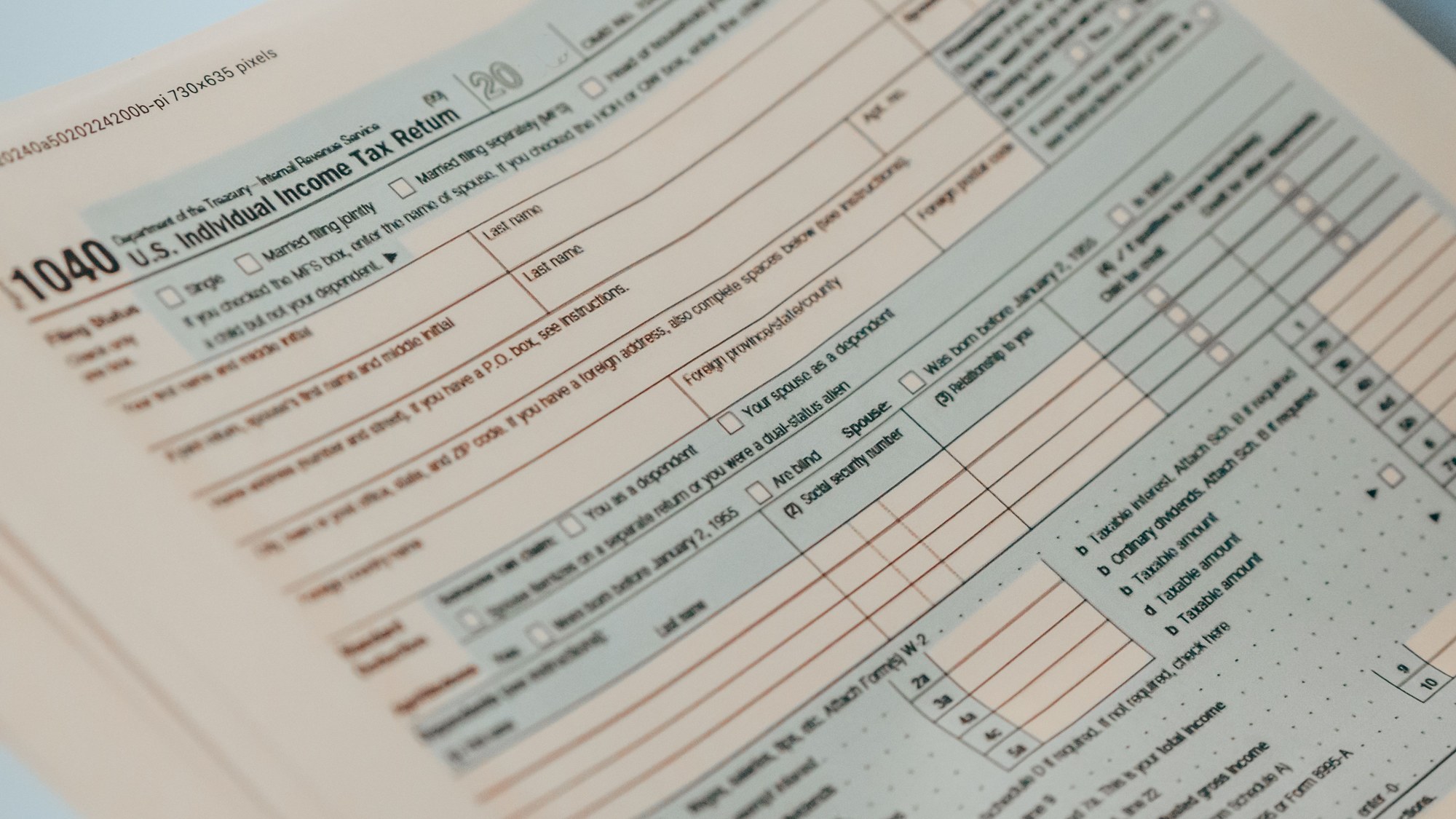
Employers that run a 401(k), 403(b), SEP or SIMPLE IRA plan can now correct more of their own administrative mistakes without going to the IRS first, under a revised correction system that took effect Oct. 22, 2026. A contribution that was supposed to reach a worker’s account and never did is the kind of error the update is built to clean up. The fix belongs to the plan sponsor, the employer that runs the plan, and not to the saver.
What the IRS changed on Oct. 22
Treasury and the IRS announced the update on Oct. 22 as Revenue Procedure 2026-34, a rewrite of the Employee Plans Compliance Resolution System, known as EPCRS. It replaces the 2021 version of the rules and covers qualified plans, 403(b) plans, SEP arrangements and SIMPLE IRA plans.
EPCRS has three parts: the Self-Correction Program, the Voluntary Correction Program and the Audit Closing Agreement Program. The first lets a sponsor repair a mistake on its own, with no fee and no sanction. The second means applying to the IRS and paying a fee, and the third applies when an examiner has already found the problem.
IRS Chief Executive Officer Frank J. Bisignano said the procedures are part of an effort to make complying with the nation’s tax laws easier. The new text leans that way for employers, which now have a wider set of errors they can repair without asking permission.
Who acts, and what to ask the plan
A worker who spots a gap should check the pay stub against the plan statement, then put the question in writing to the plan administrator. The request should name the pay dates, the amount deducted or expected, and ask whether the plan will correct the failure and add earnings. Workers do not file anything with the IRS for this, and cannot repair the account themselves.
Retirement deadlines, in your inbox: Miss an enrollment or claim deadline and the money can be gone. Join the Retirement Money Brief and we’ll send you our 2026 Retirement Tax, RMD & Medicare Deadline Calendar as a welcome gift.
Get the Brief + the deadline calendar →
We may earn a commission from links on this page.
The IRS keeps a page on correcting plan errors that describes the three programs, and its main retirement plans hub lists the rules for each plan type. Employees who get no answer can also contact the Labor Department’s Employee Benefits Security Administration, which oversees 401(k) plans.
Which missed contributions the plan can repair itself
The revenue procedure itself spells out how a sponsor corrects a failure to deduct or deposit a worker’s elective contributions. A plan that wrongly left an employee out of a 401(k), or never started the paycheck deferral the worker signed up for, has an operational failure on its hands. Those are the cases where a worker sees a gap between what was promised and what landed in the account.
For automatic enrollment and automatic escalation errors, the document reinstates a safe harbor that lets the sponsor fix the problem by starting the correct deferrals, with no corrective payment for the missed pay. It now has no sunset date and reaches SEP and SIMPLE IRA plans and terminated employees. Where a corrective payment is still owed, a reduced version is available if the sponsor completes the fix by the end of the third plan year after the mistake.
The procedure also removes the old requirement that a qualified plan or 403(b) plan hold a favorable determination letter before it can use self-correction. Egregious failures, diversion or misuse of plan assets and abusive tax avoidance transactions stay outside the program.
What a missed contribution costs the saver
A contribution that arrives late or not at all costs more than the dollars themselves. Money that never goes in also misses the market gains and compounding it would have earned, and an employer match tied to the worker’s deferral can be lost along with it. For a worker in the last decade before retirement, a year of missing contributions is a real dent.
The rules address that loss directly. Corrective allocations in defined contribution plans are adjusted for earnings, and the revenue procedure allows the Labor Department’s online calculator rate to be used as a reasonable interest rate. A proper correction is meant to put the account where it would have been had the contribution been made on time, with a missed match made up as well.
How long a sponsor has to make it right
Self-correction has to be finished within a reasonable period. Under the revenue procedure, a fix completed by the later of the last day of the third plan year after the failure or 18 months after the sponsor identifies it counts as reasonable. A sponsor that waits longer may lose the self-correction route and have to apply to the IRS or pay more.
That timing is the practical lever for a worker. A written request that puts a specific failure and date in front of the plan starts the clock on identification, and the sponsor then has a defined window in which to act. Small excess amounts of $250 or less need not be distributed or forfeited, a threshold aimed at over-contributions rather than missed ones.
Is the missed contribution still missing from the account?
The detail that gets missed is that a plan correction repairs one leak, and a retirement has several. A saver who chases a skipped contribution can still lose more to an avoidable tax bill, a Medicare surcharge or the cost of keeping the house.
No product covers a worker chasing an employer’s plan error, so the turn here is to the other places retirees keep more of what they have. “The Keep-It Starter Bundle” holds “nine guides in one download, one per money leak” and “how to cut the tax bill: the senior deduction, RMDs, QCDs and the Roth window,” with Step 2 laying out 12 moves for the tax bill.
Get nine money-leak guides to pair with the plan fix →
This article was produced with AI assistance and edited for accuracy against the sources linked above.