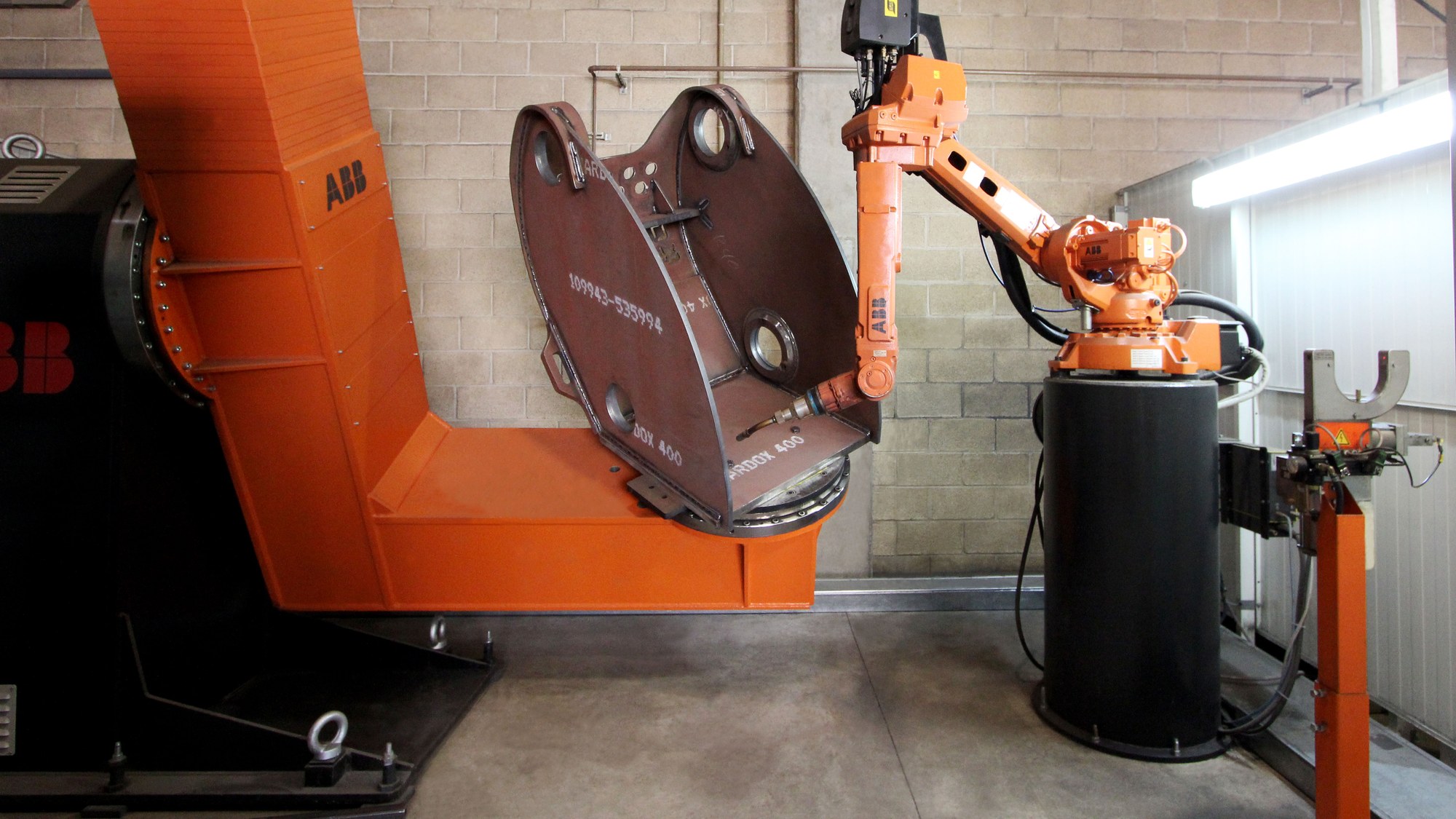
President Trump signed a Section 232 proclamation on Oct. 28 covering imported robotics, industrial machinery and their parts and components, and it sets no tariff. Instead it directs the Secretary of Commerce and the U.S. Trade Representative to negotiate with trading partners and to update the president within 180 days. The proclamation leaves open the option of tariffs, duties, quotas and fees later.
Section 232 of the Trade Expansion Act of 1962 lets the president adjust imports found to threaten national security. The proclamation says robotics, industrial machinery and their components are imported “in such quantities and under such circumstances as to threaten to impair the national security.” It orders talks rather than a duty, so it sets no new charge on imports.
For businesses that buy factory equipment, the practical meaning is a waiting period. For everyone else, the order matters mostly as a signal of where trade policy could go next, and the proclamation says nothing about consumer prices. No price effect is stated, and none has been announced.
Stay ahead of government payment news: Miss an enrollment or claim deadline and the money can be gone. Join the Retirement Money Brief and we’ll send you our 2026 Government Check Reality Tracker as a welcome gift.
Get the Brief + the check tracker →
We may earn a commission from links on this page.
What does the proclamation order, and who carries it out?
The president concurs with the finding and determines it is “necessary and appropriate to enter into negotiations with trading partners.” Paragraph 10 directs the Commerce Secretary and the U.S. Trade Representative, jointly, to pursue or continue negotiations of agreements with any trading partner they deem appropriate. The White House fact sheet describes the same assignment and adds that the Commerce Secretary will tell the president of circumstances that might call for further Section 232 action. Neither document names an individual official beyond the president.
What is the 180-day clock?
The proclamation requires an update to the president “within 180 days of the date of this proclamation,” and it assigns that update to the Commerce Secretary and the Trade Representative. Counted from Oct. 28, 180 days runs to late April 2027. The two officials are also to update the president from time to time before then, and the Commerce Secretary is to keep monitoring imports of these goods.
The deadline is a reporting date, not a tariff date. The proclamation says the president may take further action if an agreement is not reached within 180 days, is not being carried out or proves ineffective. It also says the president “may consider alternative remedies in the future,” including “imposing or modifying tariffs, duties, quotas, and fees” and “a program to incentivize new investment in United States production.”
Why did Commerce find a national security threat?
The Bureau of Industry and Security’s Section 232 page lists the investigation of robotics and industrial machinery as initiated Sept. 2, 2025, and says reports are prepared within 270 days of initiation. The proclamation says the Commerce Secretary sent the president a report within the past 90 days. It does not give the report’s date, and the BIS page lists no published report for this investigation.
According to the proclamation, the United States relies on imports for most types of robotics and industrial machinery, import value is projected to keep rising, and domestic production falls short. It says the country “produces less robotics and industrial equipment than it consumes,” and it cites cybersecurity risks from equipment sourced from certain foreign entities. The fact sheet adds that the goods are “indispensable to virtually all modern manufacturing,” including defense and critical infrastructure.
Which machines does this cover?
The proclamation names robotics, industrial machinery and their parts and components without an itemized product list. The law firm White & Case, summarizing the 2025 notice that opened the investigation, listed CNC machining centers, turning and milling machines, grinding equipment, stamping and pressing machines and specialty metalworking equipment such as autoclaves, industrial ovens and laser and water-cutting tools. Drones were excluded because a separate investigation covers them.
The fact sheet places the action among earlier Section 232 measures. In the first term those covered steel and aluminum, and since the president returned to office they have covered steel, aluminum, copper, automobiles, trucks, timber and lumber, semiconductors, pharmaceuticals, polysilicon and drones.
Will a machinery tariff ever reach a household budget?
The proclamation sets no tariff and says nothing about prices, so the stake for a household is not a bill that has arrived. It is that a trade fight about factory equipment can be followed by cost changes nobody has priced yet, while the leaks in a retirement budget that already exist keep running.
“The Keep-It Starter Bundle” turns that uncertainty into a to-do list: nine guides in one download, one per money leak. It includes how to cut the house costs, with every senior property-tax break and your equity options, and a Medicare guide on appealing the income surcharge and using the drug cap.
Get the nine money-leak guides in the Keep-It Starter Bundle →
This article was produced with AI assistance and edited for accuracy against the sources linked above.