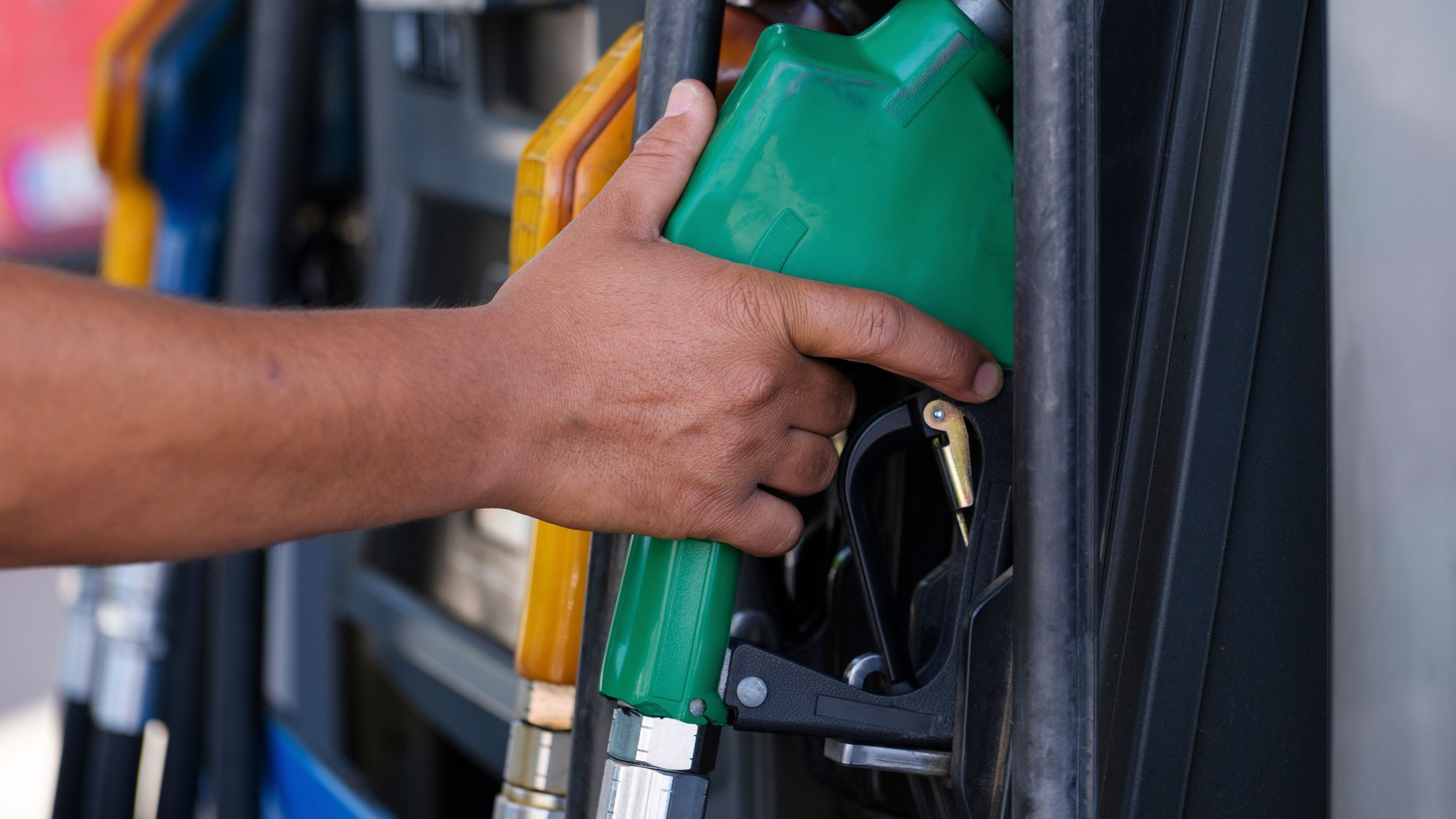
Georgia drivers will pay no state tax on gasoline through Nov. 30, a break worth 33.3 cents on every gallon, after Gov. Brian Kemp extended the suspension again on Oct. 24. The governor’s office says the new end date covers the Thanksgiving travel period. Diesel gets the same treatment, with a 37.3-cent state tax suspended through the same day.
The gas tax pause began Sept. 28 under a state of emergency Kemp declared as fuel prices climbed. This is its second extension, and each time the governor has pushed the end date out a few weeks at a time. Anyone who budgets around a fill-up in Georgia now has a firm end date to plan around: Nov. 30.
For a driver who pumps 15 gallons a week, the 33.3 cents is worth about $5 per fill-up. A commuter who fills a 15-gallon tank four times a month keeps roughly $20. The open question is what the tank costs once the date passes.
Retirement deadlines, in your inbox: Miss an enrollment or claim deadline and the money can be gone. Join the Retirement Money Brief and we’ll send you our 2026 Government Check Reality Tracker as a welcome gift.
Get the Brief + the check tracker →
We may earn a commission from links on this page.
How did the pause get from Oct. 29 to Nov. 30?
When Kemp first suspended the tax on Sept. 28, it ran until Oct. 29. On Oct. 6 he moved the end date to Nov. 5 and also waived state penalties for using dyed off-road diesel on public roads, saying farmers and truckers are “under heavy pressure” and the state is “leaving no stone unturned when it comes to giving them relief.”
The Oct. 24 order replaced the Nov. 5 date with Nov. 30. Kemp announced it in consultation with Lt. Gov. Burt Jones and House Speaker Jon Burns, and thanked the General Assembly for its support. The order also extends the state of emergency.
33.3 cents adds up to about $5 a fill-up
AAA figures cited in the governor’s release put Georgia’s average at $3.66 a gallon for regular, about 63 cents below the national average, and $5.72 for diesel, about 61 cents below the national figure. Simple arithmetic puts the state’s price near $3.99 a gallon if the 33.3-cent tax were added back and nothing else moved.
Kemp cited “a major holiday coming up and fuel prices still at high levels” in announcing the extension, according to Fox 5 Atlanta. He credited the state’s fiscal discipline for letting it absorb the lost revenue. Neither the release nor the news reports give a dollar total for what the pause costs the state.
Diesel buyers see a larger per-gallon break. The 37.3-cent state tax on a 100-gallon fill, the kind a farm or a small trucking outfit might take on, comes to about $37 a fill-up. AAA data cited by Atlanta News First on Oct. 6 showed Georgia’s average for regular down about 33 cents, and diesel down more than 42 cents, in the stretch after the suspension began.
Do city and county fuel taxes still apply?
Yes. Fox 5 reports that the order does not suspend local sales taxes on motor fuel levied by cities and counties, so those charges remain in the pump price. The state’s 33.3 cents of excise tax is the piece that disappears.
That means the price a driver sees will still differ from county to county. The 63-cent gap between Georgia and the national average on Oct. 24 is larger than the 33.3-cent tax, so the pause alone does not account for it.
What happens on Dec. 1?
State officials have not said whether the suspension will carry into December or through the year-end holidays if oil market volatility continues. Unless another order extends it, the suspension ends after Nov. 30, and all else equal the 33.3 cents would return to the price at Georgia pumps.
The national picture is not pointing to a quick drop. AAA’s daily tracker put regular at $4.1837 on Oct. 31, down from $4.2957 a week earlier but up from $3.0403 a year earlier. Georgia drivers have gone two extensions without a return to the old tax, and nothing in Kemp’s announcement rules out a third.
What if the 33.3 cents comes back on Dec. 1?
A driver who fills a 15-gallon tank pays about $5 more per fill-up if the tax comes back, in the same weeks as holiday travel and heating bills. A cushion set aside in November is easier to manage than one scrambled for in December.
“Make Your Savings Pay You” is an 11-page guide that covers Treasury bills from $100, free of state and local income tax, and every dollar insured, even above $250,000 at one bank. Its ladder, which readers can copy, sets money to come due on a schedule, so December’s bills have a date and a source.
Get the guide to setting aside December gas money in insured savings →
This article was produced with AI assistance and edited for accuracy against the sources linked above.