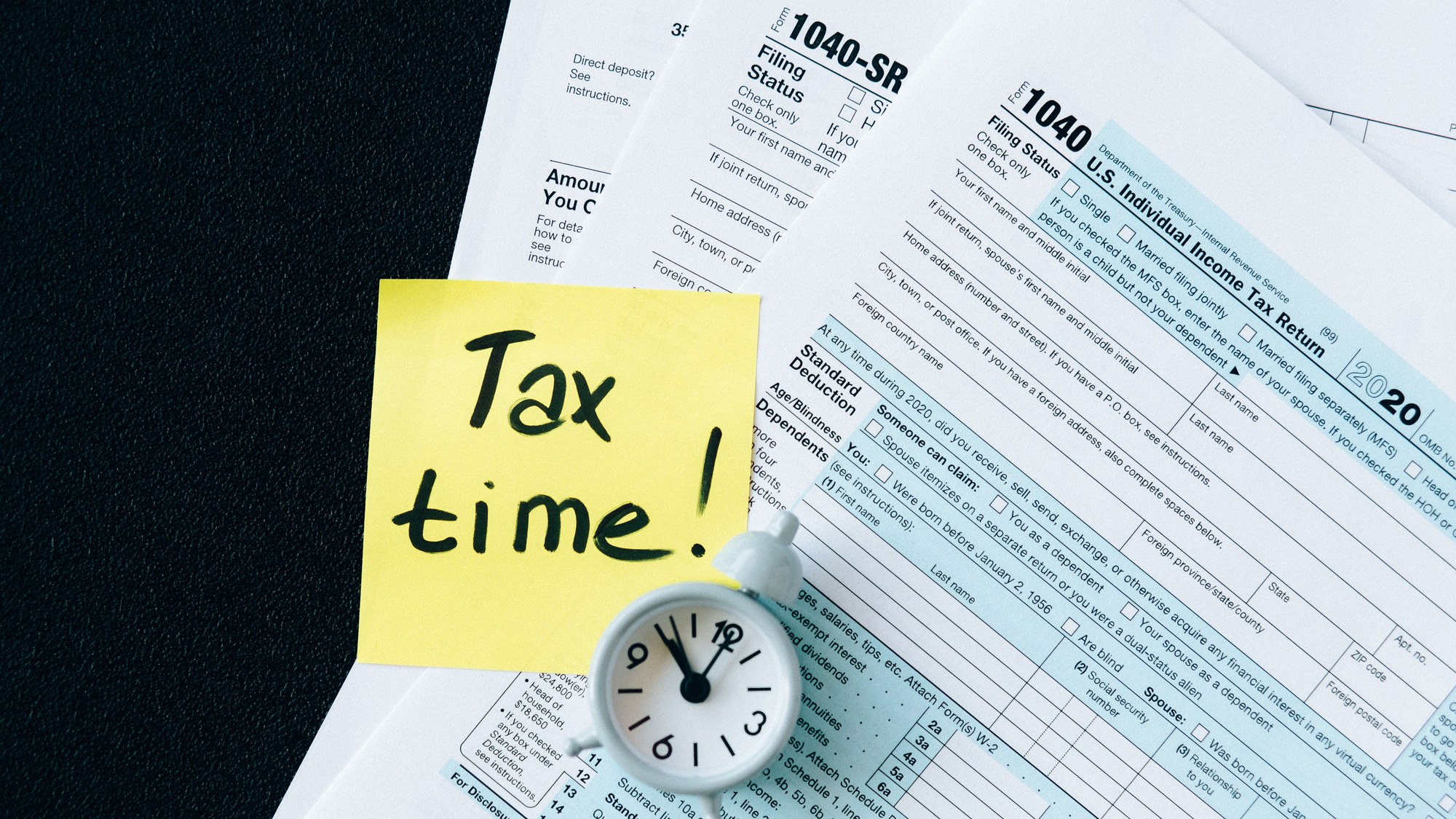
Retirees who pay quarterly estimated tax have until Jan. 15, 2027 to send the fourth and last payment for 2026, according to the IRS’s 2026 Form 1040-ES. The form also gives a way out of that payment: “You don’t have to make the payment due January 15, 2027, if you file your 2026 tax return by February 1, 2027, and pay the entire balance due with your return.”
The earlier installments for 2026 fell due April 15, June 15 and Sept. 15, the form says. A retiree who made those three payments now has one decision left, which is whether to mail the fourth one in January or settle everything on the return by Feb. 1.
The choice matters most to people whose income does not come with tax already taken out, such as an IRA withdrawal, a pension without withholding, interest or a side job. Anyone who is not sure the three payments covered enough should work out the 2026 total before deciding which route to take.
Retirement deadlines, in your inbox: Miss an enrollment or claim deadline and the money can be gone. Join the Retirement Money Brief and we’ll send you our 2026 Government Check Reality Tracker as a welcome gift.
Get the Brief + the check tracker →
We may earn a commission from links on this page.
Who has to make estimated payments at all?
The IRS says a person generally must pay estimated tax if they expect to owe at least $1,000 in tax for 2026 after subtracting withholding and refundable credits. Withholding and refundable credits also have to cover the smaller of 90% of the 2026 tax or 100% of the 2025 tax, and the 2025 return has to cover a full 12 months.
Higher earners face a stricter test. If adjusted gross income on the 2025 return was more than $150,000, or $75,000 for a married person filing separately, the form says to substitute 110% for 100% in that comparison.
What does skipping the January payment require?
Two conditions come with the Feb. 1 route, and both have to be met. The 2026 return must be filed by Feb. 1, 2027, and the entire balance due must be paid with it. Filing by that date but paying only part of the bill does not meet the condition the form describes.
Anyone who files on Feb. 1 or earlier is therefore settling the whole year’s balance in one payment, including whatever the January installment would have covered. A retiree who would rather not have a larger single bill can send the January payment instead, on the schedule the form sets.
What happens if a payment falls short?
The form says the penalty “is imposed on each underpayment for the number of days it remains unpaid.” It also says the penalty may be waived under certain conditions and points to the instructions for Form 2210, the IRS form for working out whether the penalty applies.
The IRS’s topic page on underpayment penalties, updated Sept. 24, 2026, says most taxpayers avoid the penalty if they owe less than $1,000 after withholding and refundable credits, or if they paid at least 90% of the current year’s tax or 100% of the prior year’s tax, whichever is smaller. A retiree who relied on the prior-year test should confirm that the 2025 return was a full 12-month year.
How can the January payment be sent?
The 1040-ES lists two free electronic routes. IRS Direct Pay, reached at IRS.gov/Payments, moves money from a checking or savings account at no cost, and the Direct Pay page, last reviewed Sept. 17, 2026, says it covers balance due, estimated tax and other federal income tax for individuals.
The second route is EFTPS, the Electronic Federal Tax Payment System. The form says there is no fee, but a person must be enrolled, either at EFTPS.gov or by calling 800-555-4477.
Can withholding replace the payments?
The form says a person can raise withholding instead of making estimated payments. Generally, someone who receives a pension or annuity can use Form W-4P to do that, and certain government payments can also have federal tax withheld, the 1040-ES says. A retiree whose payer is already taking tax out may find that the 2026 worksheet shows little or nothing left to send in January.
The form also says no estimated tax is due for 2026 from a U.S. citizen or resident alien who had no tax liability for 2025, meaning total tax was zero or no return was required, and who was a citizen or resident for all of 2025. The worksheet in the booklet starts with the adjusted gross income expected in 2026 and lets a person take a 2025 overpayment credited to 2026 into account.
Is there a different date for farmers and fishers?
The form sets a separate route for people who get at least two-thirds of gross income from farming or fishing in 2025 or 2026. They use 66⅔% in place of 90% in the safe-harbor test, and instead of paying in January they can file the 2026 return by March 1, 2027 and pay the total tax due.
A retiree who still has a farm lease or a fishing business should read that section of the booklet, because the other numbers above are written for everyone else. The booklet also carries a payment record marked “Keep for Your Records,” which is the place to log each of the four payments.
Not sure what your last 2026 payment should be?
A retiree who sends too little in January, or files by Feb. 1 without paying the whole balance, can end up with an underpayment penalty on top of the tax. Social Security and IRA income make the 2026 total harder to estimate than a paycheck does.
Cut Your Retirement Tax Bill: 12 Moves shows how much of your Social Security is taxed, worked out on one worksheet, and puts the 2026 numbers on one page. It also names the form to use for each of its 12 moves.
Get the guide with the one-page 2026 numbers and Social Security tax worksheet →
This article was produced with AI assistance and edited for accuracy against the sources linked above.