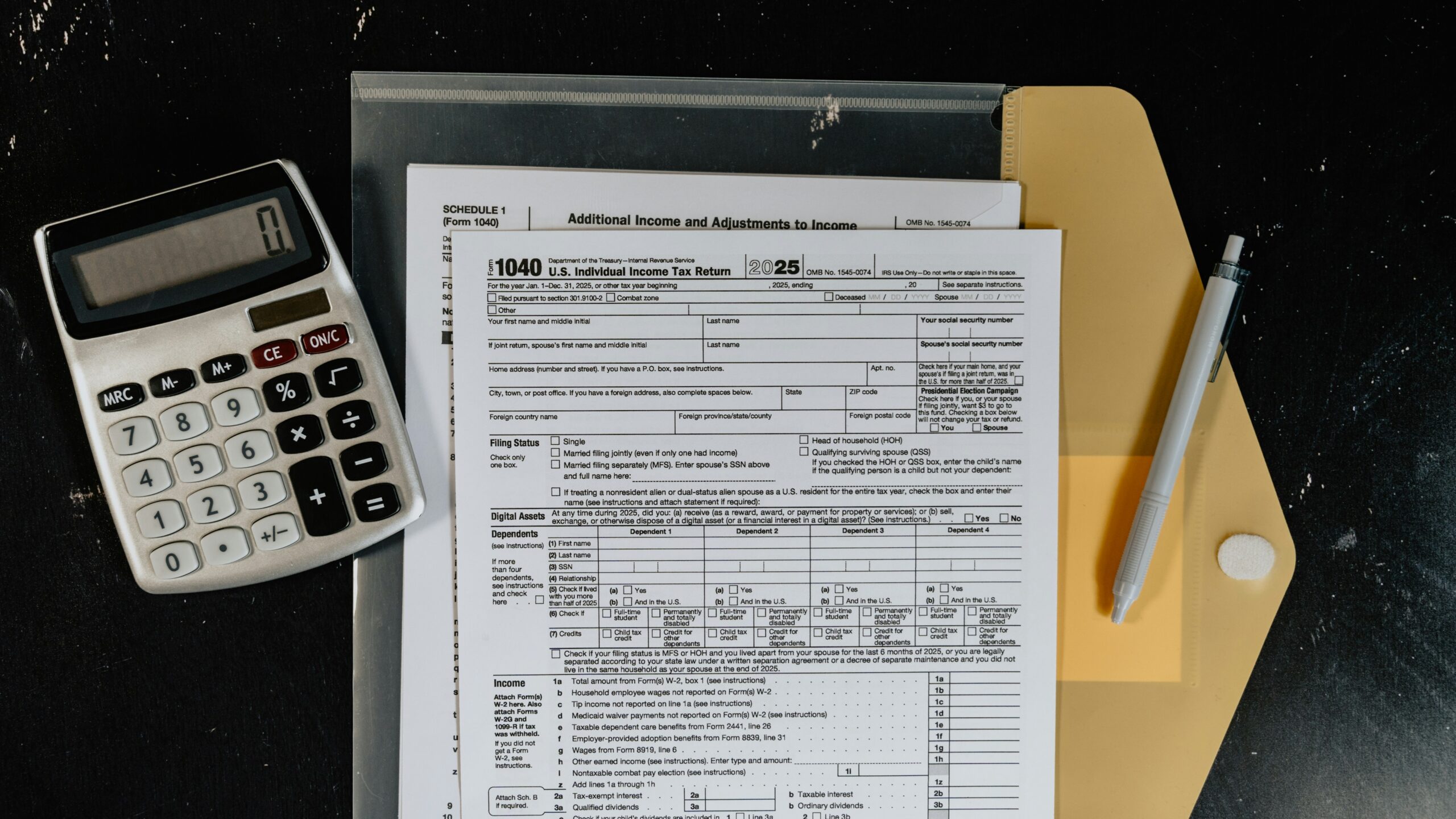
Three Texas tax preparers are heading to federal prison for building fake deductions into clients’ returns to wipe out taxable income and trigger refunds nobody had earned. On July 8, 2026, a federal court sentenced the owner of a North Austin tax preparation business and two of his employees for a multi-year conspiracy that the Justice Department says caused more than $3.5 million in tax losses. For older Americans who hand a lifetime of records to a paid preparer each spring, the case is a reminder that a signature on a return belongs to the taxpayer, not the person who typed it.
How the North Austin Return Scheme Worked
According to the Justice Department, Mathews Chacko owned a tax preparation business in North Austin, and from approximately January 2019 through October 2022 he and two employees, Anish Pillai and Subhala Suresh, conspired to file client returns that contained false business expenses. Those fabricated expenses reduced the income the clients reported to the IRS, which cut the taxes they owed and produced refunds to which they were not entitled. Prosecutors said the group at times inserted the phony expenses without a client’s knowledge and then offered false explanations when questioned, while in other instances they told clients directly by email that they were submitting false information to the government. The pattern was not a one-time error but a repeated method applied across many returns over nearly four years.
Free retirement updates: Want plain-English help keeping more of your money in retirement? The free Retirement Shield newsletter covers scams, benefits, and money many retirees may be owed, a couple times a week. Subscribe free.
The Sentences and the $3.5 Million Tax Loss
Chacko, as the owner who ran the operation, received the longest term at 50 months in prison. Pillai was sentenced to 26 months and Suresh to 18 months. The IRS Criminal Investigation account puts the resulting tax loss at more than $3.5 million, the figure that measures how much revenue the fabricated deductions kept from the Treasury. Two other preparers who admitted filing false returns as part of the same scheme still await sentencing, meaning the count of people held accountable is not yet final. Prison terms of this length signal that federal prosecutors treated the conduct as deliberate fraud carried out by professionals who understood exactly what the numbers on those returns were doing.
Why a Padded Return Becomes the Client’s Problem
The mechanics matter for anyone who pays someone else to prepare a return. A deduction for a business expense that never happened does not simply disappear when the IRS catches it. The taxpayer whose name and Social Security number sit at the top of the return is the person the government looks to first, and that taxpayer can face back taxes, interest, and penalties on the refund that should never have been paid. In this scheme, some clients were told the truth about the false entries and some were kept in the dark, but either way the fabricated figures traveled under their identities. For a retiree living on a fixed income, a demand years later to repay a refund plus interest can arrive at the worst possible moment, long after the preparer has moved on or shut down.
Refund-inflation schemes tend to advertise themselves through results that seem too good. A preparer who promises a larger refund than others, bases a fee on the size of that refund, or declines to explain where deductions come from is displaying the same warning signs that ran through this Austin case. The refund felt like a windfall right up until the sentencing made clear where the money had actually come from.
Checking a Preparer Before Handing Over Tax Documents
The IRS keeps standing tools for vetting the person who signs a return. Its guidance on choosing a tax professional spells out what a legitimate preparer does: sign the return, enter a valid Preparer Tax Identification Number, and never base a fee on the size of the refund. A preparer who refuses to sign, a practice the agency calls a “ghost” preparer, is a signal to walk away. The IRS also publishes a public directory of federal tax return preparers with credentials such as CPA, enrolled agent, or attorney, which lets a taxpayer confirm that a preparer holds a recognized qualification before sharing a full financial picture. Reviewing a completed return line by line, and asking for the source of any deduction that is unfamiliar, is the step that would have exposed the fabricated expenses in this case. The Justice Department’s own account of the North Austin scheme shows how far a trusted preparer can go, and how the client, not the preparer, is the one whose name is on the fraudulent return.
This article was researched and drafted with AI assistance and reviewed against the linked primary sources.
More Financial Reading
- What really happens to your joint savings account when you die?
- Bank statements: how long to keep them and when to toss them


