Massachusetts voters turned down Question 5, the ballot measure that would have changed the state’s revenue cap so taxpayer rebates came more often. The Associated Press called the race for “no” on Thursday, Nov. 5, with 52.28% of the vote against and 47.72% for, according to unofficial returns with 99% of expected votes counted. The numbers become final only after the state certifies them.
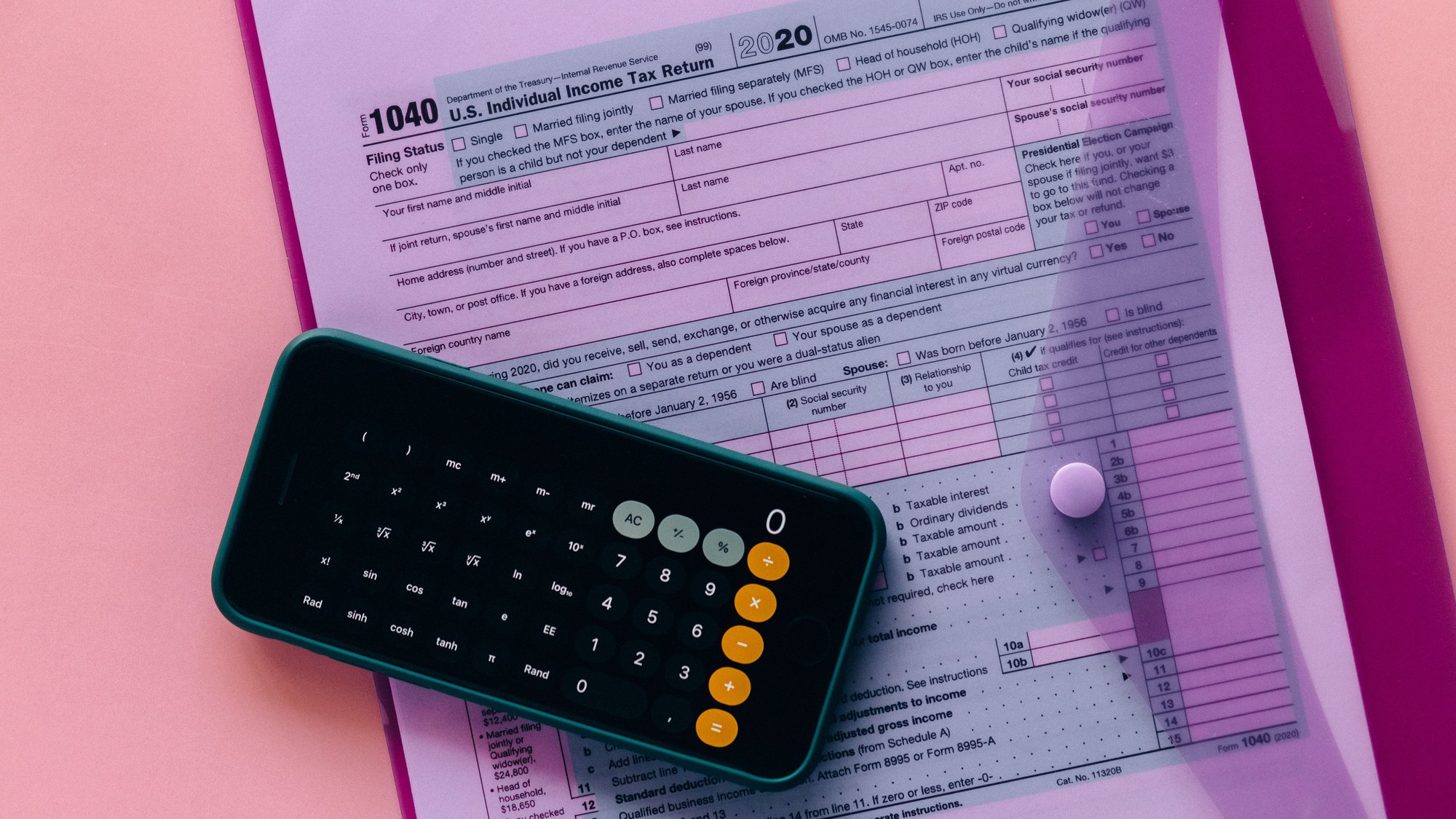
The result leaves the current tax-cap law untouched. That law, Chapter 62F, was passed in 1986 and limits how fast state tax collections can grow, tied to growth in wages and salaries. When collections run past the cap, the Department of Revenue has to send credits to taxpayers, and the secretary of state’s voter guide says that has happened only twice, in 1987 and 2022.
For anyone in Massachusetts who cashed a rebate check in the fall of 2022, the practical meaning is simple: no new formula starts in July 2027, and the 2022 payment stays the exception rather than a pattern. WBUR reported that those refunds added up to about $3 billion and ran from hundreds to thousands of dollars per taxpayer. Households that were counting on a check every few years should leave it out of the budget, because the cap is the same one that produced only two refunds in nearly four decades.
Stay ahead of government payment news: Miss an enrollment or claim deadline and the money can be gone. Join the Retirement Money Brief and we’ll send you our 2026 Government Check Reality Tracker as a welcome gift.
Get the Brief + the check tracker →
We may earn a commission from links on this page.
How close did the revenue cap vote get?
The race stayed too close to call until Thursday afternoon, WBUR reported, even after the margin settled near five points. The campaign backing Question 5 had conceded just before 7:45 a.m. Wednesday, WBUR reported, and advocacy groups on both sides said it had failed before the AP made it official.
Mass Opportunity Alliance, which backed the measure, said it was disappointed and argued that the loss leaves affordability and competitiveness problems for workers and businesses unaddressed. Raise Up Massachusetts and Protect Massachusetts Future, which opposed it, said voters chose to protect state funding for health care, education, housing and local aid over cutting spending to pay for rebates. The result was a margin of roughly 115,000 votes out of about 2.5 million cast on the question, based on the unofficial tallies.
What would the rewrite have done to rebates?
Under Chapter 62F today, each year’s cap builds on the prior year’s cap. Question 5 would have based it instead on the prior year’s actual net state tax revenue, grown by the average increase in Massachusetts wages and salaries over the most recent three years. Anything above that line would have been refunded to taxpayers the following year, starting with fiscal years that begin after June 30, 2027.
The proposal would also have counted money from the surtax on incomes over $1 million toward the limit, which the current formula leaves out. Backers said that would add discipline. Pioneer Institute, a supporter, said it would place “greater discipline” on Beacon Hill spending, while opponents said it would trigger refunds in years when the state could least afford them.
The size of those refunds was always a matter of dispute. A Tufts analysis cited by WBUR projected 8 to 9 rebates over 20 years, worth a few hundred dollars each in the early years and roughly $500 to $600 by the 2040s. Supporters estimated that 24 rebates would have occurred over the last 40 years under the new rules, while opponents put the cost to state revenue from those payments at $13 billion.
Why did opponents say the state would lose money?
The state’s own fiscal analysis, in the voter guide, said the state would have less money for its budget, including local aid for schools and municipalities, and that contributions to the Stabilization Fund, the state’s rainy-day account, would shrink. Gov. Maura Healey’s budget office said the change would reduce deposits into that fund, which stands at $8.2 billion.
Phineas Baxandall of the Massachusetts Budget and Policy Center warned that the change could limit the state’s ability to invest during a recession. House Speaker Ron Mariano said he would “love to be able to” get rid of Chapter 62F altogether, though he did not take a stand on Question 5 itself.
Does the vote settle the fight over affordability?
Not by the account of the people who won. Jessica Tang, president of AFT Massachusetts, said the union was pleased with the outcome but that affordability remains a major issue for families. Mass Opportunity Alliance made the same point from the other side of the vote, which means the argument about how Massachusetts returns money to taxpayers moves back to the State House.
Question 5 was one of nine on the Massachusetts ballot, and the totals on all of them remain unofficial until certified. For taxpayers, the one thing the vote did settle is the rule in place: rebates under Chapter 62F arrive only when collections cross the existing cap, and so far that has happened twice.
Counting on a Massachusetts rebate that is not changing?
With Question 5 defeated, a rebate under Chapter 62F still depends on state collections running past the cap, something that has happened twice since 1986. Retirees who budgeted for more frequent checks now have to find savings in the part of the tax bill they control.
Cut Your Retirement Tax Bill: 12 Moves is a 14-page guide that covers your state’s rules, including the eight states that tax some Social Security, plus how much of your Social Security is taxed, worked out on one worksheet. It also puts the 2026 numbers on one page and comes in a large-print edition.
Get the 12-move retirement tax guide, with the state-rules page, for a budget without new rebates →
This article was produced with AI assistance and edited for accuracy against the sources linked above.