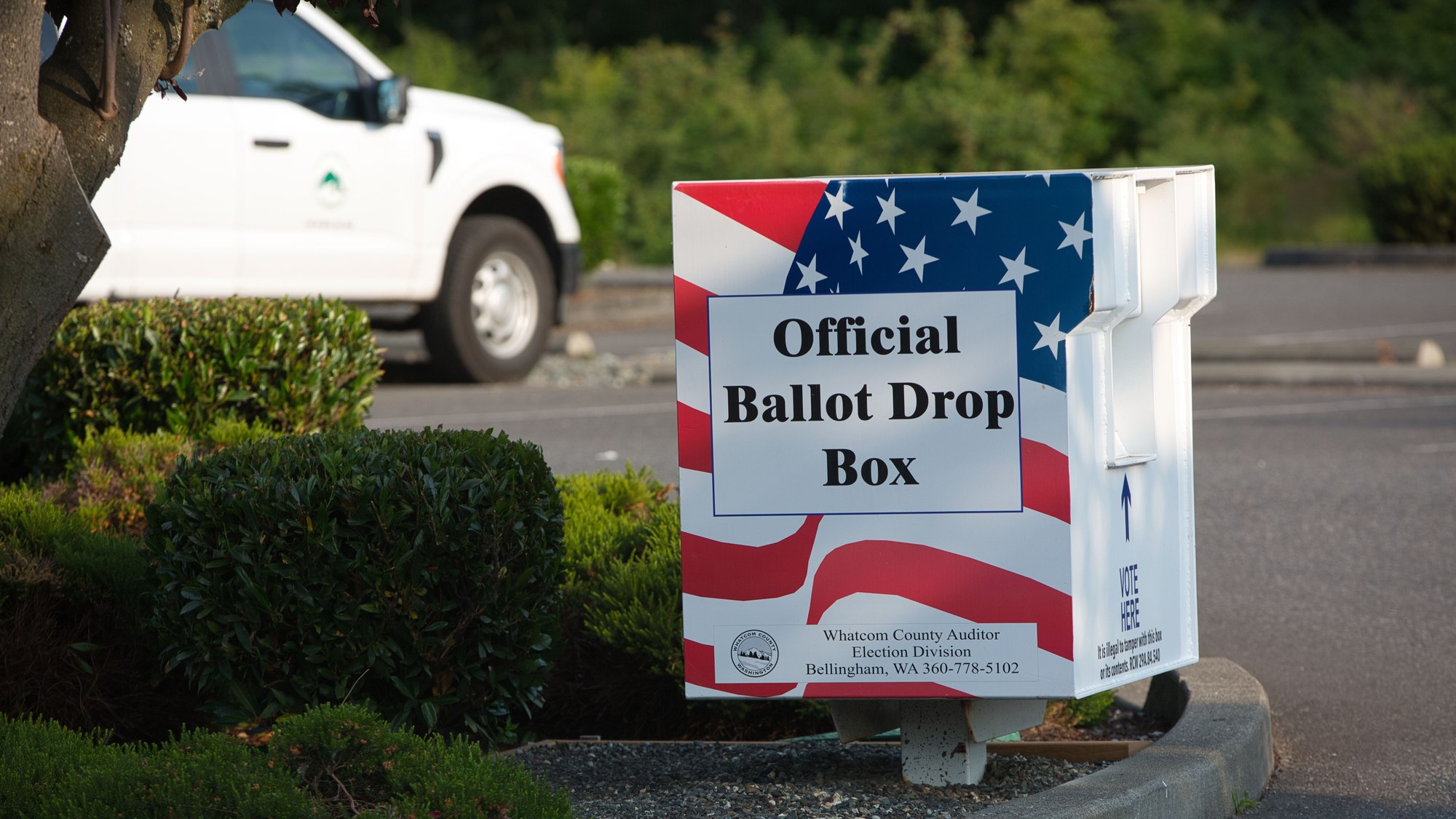
Washington voters appear to have rejected Initiative 645, the measure that would have repealed the state’s new tax on very high incomes. As of Thursday, Nov. 5, Fox 13 Seattle’s count showed 57.6% voting no, with 1,464,309 votes, against 42.4% yes, with 1,079,629. The results are unofficial while county elections offices finish counting mail ballots.
If the early lead holds, the tax stays on the books, and KOMO reported that Washington will begin collecting it in 2029. It is a 9.9% tax on income above $1 million for an individual or household, which the Legislature passed in March 2026. Repeal would have kept Washington among the states with no income tax, CPA Practice Advisor noted.
For most Washington retirees, the practical question is whether the tax can ever reach them, and the answer turns on one number. The state Department of Revenue says it applies to adjusted gross income above $1 million, and only to the portion above that line. A household with $1.5 million of income, for example, would owe 9.9% on $500,000, or $49,500, a calculation CPA Practice Advisor walked through.
Stay ahead of government payment news: Miss an enrollment or claim deadline and the money can be gone. Join the Retirement Money Brief and we’ll send you our 2026 Government Check Reality Tracker as a welcome gift.
Get the Brief + the check tracker →
We may earn a commission from links on this page.
What does the tax cover, and when does anyone pay?
The tax comes from Senate Bill 6346, according to the Department of Revenue, and it applies to individuals and married couples filing jointly whose adjusted gross income tops $1 million. It starts Jan. 1, 2028, so it reaches income earned in tax years beginning in 2028. The first returns and payments are due in April 2029, which is why the collections start in 2029 rather than in 2028.
Nothing is collected in 2026 or 2027. The Department of Revenue says it will publish filing requirements, forms and guidance later. Until then, the practical effect for Washington households is limited to planning: anyone whose income could top $1 million in a single year, from a business sale or a large asset sale, for example, is the group the tax is aimed at.
Where did the count stand on election night?
Hundreds of thousands of ballots were still uncounted on election night. On Tuesday evening, KOMO reported 1,231,727 votes counted, with no at 58% and yes at 42%. By Thursday’s tally the no side held 57.6% with about 2.5 million ballots counted, so the lead barely moved as the count more than doubled. CPA Practice Advisor said King County voted against the repeal by 66.5%, and that the measure also trailed in Snohomish and Pierce counties.
Steve Gordon, chair of the Yes on I-645 campaign, said supporters would wait to see more ballot drops over the next few days. Washington votes by mail, and ballots postmarked by Election Day keep arriving and being counted for days afterward.
What did each side argue about the money?
Gov. Bob Ferguson urged voters to reject the initiative, warning of child care subsidy cuts and a $13 billion hole in the state budget. Christopher Longhurst, CEO of Seattle Children’s, said a limit on charitable deductions in the tax could discourage some large gifts to nonprofits.
The ballot itself carried a warning. A fiscal statement from the state Attorney General’s Office said repeal “would decrease funding” for K-12 education, higher education and human services. Supporters of repeal disputed the language, and the state Supreme Court split over whether it could stay, keeping the warning on the ballot.
State Senate Majority Leader Jamie Pedersen, a Seattle Democrat, also weighed in as the campaign wound down. “For 93 years, we have been saddled with an anchor around our neck,” he said, according to CPA Practice Advisor’s account of the vote.
What would repeal have meant for the budget?
The Attorney General’s fiscal statement on the ballot said repeal would reduce funding for K-12 education, higher education and human services, and Ferguson’s warning of child care cuts and a $13 billion budget hole rested on the same argument. Supporters of repeal disputed the framing, and the state Supreme Court was divided on whether the warning language could stay on the ballot.
The early count suggests the argument for repeal did not carry the three counties CPA Practice Advisor singled out. King County voted 66.5% against it, and the measure also trailed in Snohomish and Pierce counties. On Tuesday, with an estimated 64% turnout, the yes side would have needed 62% of the ballots still uncounted to pass it.
Is the tax now settled?
Not entirely. Counties still have to certify the vote, and the tax is expected to face court challenges. Hugh Spitzer, a retired University of Washington law professor, said predicting how justices will rule on those is “very hard.”
Rejecting I-645 would remove the ballot threat to the tax, but it would not settle any court fight. For a household with more than $1 million in income, the 2028 start date is still the one that matters.
Does Washington’s new high-income tax touch your retirement income?
Washington’s tax applies only to adjusted gross income above $1 million and starts with tax year 2028, but the line is set by income, not by how long someone has lived in the state. Retirees with a large sale, withdrawal or conversion coming could find a single year pushes them over it.
Cut Your Retirement Tax Bill: 12 Moves covers your state’s rules, including the eight states that tax some Social Security, and the 12 moves with the form to use. The 14-page guide also puts the 2026 numbers on one page, and a large-print edition is included.
Get the 12-move retirement tax guide, with the state-rules page, before a big-income year →
This article was produced with AI assistance and edited for accuracy against the sources linked above.