For retirees facing a lawsuit, a stack of medical bills, or the prospect of bankruptcy, the money inside a 401(k) or individual retirement account is often the single largest asset they own and the one they most fear losing. Federal law treats those accounts very differently from an ordinary checking or savings account, and in most situations it keeps them out of a creditor’s reach. Knowing exactly how that shield is built, and where it stops, can be the difference between preserving a nest egg and draining it to satisfy a debt the law never required it to cover.
Why an employer 401(k) is the hardest account to touch
The strongest protection flows from the Employee Retirement Income Security Act, the 1974 law that governs most private-sector workplace retirement plans. Under ERISA’s anti-alienation rule, the benefits held in a qualified plan generally cannot be assigned to or seized by an outside creditor, and that protection holds even after the account owner files for bankruptcy. The same statute requires that plan money be held in trust and kept separate from the employer’s own assets, so a company’s financial collapse does not put a worker’s savings at risk. A traditional pension, a 401(k), a 403(b), and most other employer-sponsored plans therefore sit behind a federal wall that ordinary judgments cannot climb.
A crucial feature of that wall is that it has no dollar ceiling. Whether an ERISA-covered account holds fifty thousand dollars or several million, the anti-alienation protection applies to the full balance. That is why bankruptcy attorneys routinely advise clients not to cash out a workplace plan to pay unsecured creditors: doing so voluntarily strips away a protection that the law would otherwise have preserved, and it can trigger income tax and early-withdrawal penalties on top of the loss.
Free retirement updates: A quiet rule change can shrink your Social Security or Medicare check, and no one warns you. The free Retirement Shield newsletter catches these early and tells you what to do. Get it free.
Individual retirement accounts follow a different rulebook
An IRA is usually not an ERISA plan, so its protection comes from a separate source: the federal bankruptcy code and, outside of bankruptcy, the law of the state where the owner lives. In bankruptcy, contributory traditional and Roth IRAs are exempt only up to an inflation-adjusted cap, which rose to $1,711,975 on April 1, 2025. That figure is reviewed every three years and adjusted for inflation, so it climbs over time.
One detail matters enormously for anyone who has changed jobs. Money rolled over from an employer plan into an IRA does not count against that cap; those rollover dollars keep the essentially unlimited protection they carried inside the workplace plan. So a retiree who moved a large 401(k) into a rollover IRA does not suddenly lose coverage above $1.7 million, provided the rollover is documented as such. Protection outside of bankruptcy, by contrast, is governed by state statutes that vary widely, with some states shielding IRAs completely and others offering thinner coverage.
The exceptions that can still reach retirement money
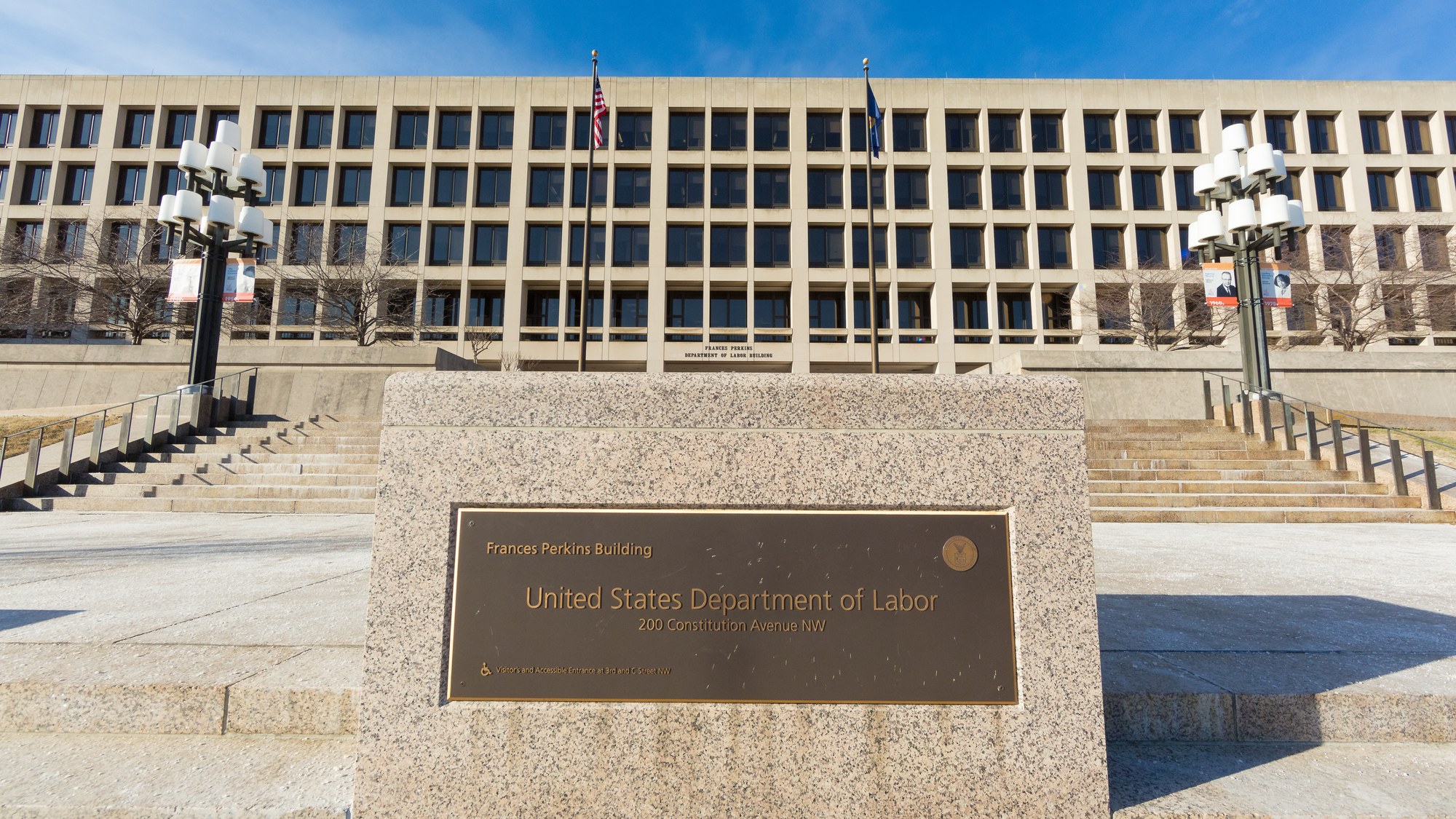
Even ERISA’s wall has doors. A qualified domestic relations order, or QDRO, is the most common: in a divorce, a state court can direct a plan to pay part of a participant’s benefit to a former spouse or to satisfy child support, and the anti-alienation rule specifically yields to those orders under the Labor Department’s QDRO framework. The federal government is the other major exception. The Internal Revenue Service can levy retirement accounts to collect unpaid federal taxes, and criminal restitution or certain other federal debts can also reach the money that ordinary creditors cannot.
The practical takeaway for someone weighing how to handle debt in retirement is that the shield is powerful against private creditors — credit-card issuers, hospitals, and most civil judgments — but not absolute against a divorcing spouse or the government. That distinction argues for caution before tapping a protected account to settle a bill that the account itself was never exposed to. Cashing out a 401(k) to pay a credit-card balance, for instance, converts fully protected money into taxable income and hands a creditor leverage the law had denied it.
Because the rules turn on account type, funding history, and state of residence, the details can differ sharply from one household to the next. The controlling authorities — the Labor Department’s ERISA guidance for workplace plans and the federal bankruptcy exemption schedule for IRAs — set the baseline that every other decision builds on.
Inherited IRAs and the limits of the shield
Not every account labeled an IRA gets the same treatment. In a unanimous 2014 decision, the U.S. Supreme Court held that an inherited IRA is not made up of “retirement funds” in the hands of the person who inherited it, so it does not qualify for the federal bankruptcy exemption that shields an owner’s own IRA. A non-spouse heir who later files for bankruptcy can therefore see an inherited IRA reached by creditors, even though the identical money was fully protected while the original owner was alive. A handful of states have written their own protections for inherited IRAs, but without one, the federal shield does not follow the account to the next generation.
The protection also has an edge in time: it guards money while it sits inside the account, not after it leaves. Once funds are withdrawn into an ordinary checking or savings account, they lose the retirement-plan character and become reachable like any other cash, which is another reason advisers warn against draining a protected plan to fend off a creditor — the withdrawal can expose dollars that were untouchable the day before. Outside of bankruptcy, how much of an IRA a creditor can reach turns entirely on state law, ranging from complete protection in some states to only partial coverage in others.
This article was produced with the assistance of artificial intelligence and reviewed by The Financial Wire editorial team.
More Financial Reading
- Adding someone to your bank account: tax traps and smart moves
- The ideal retirement withdrawal rate so your savings actually last