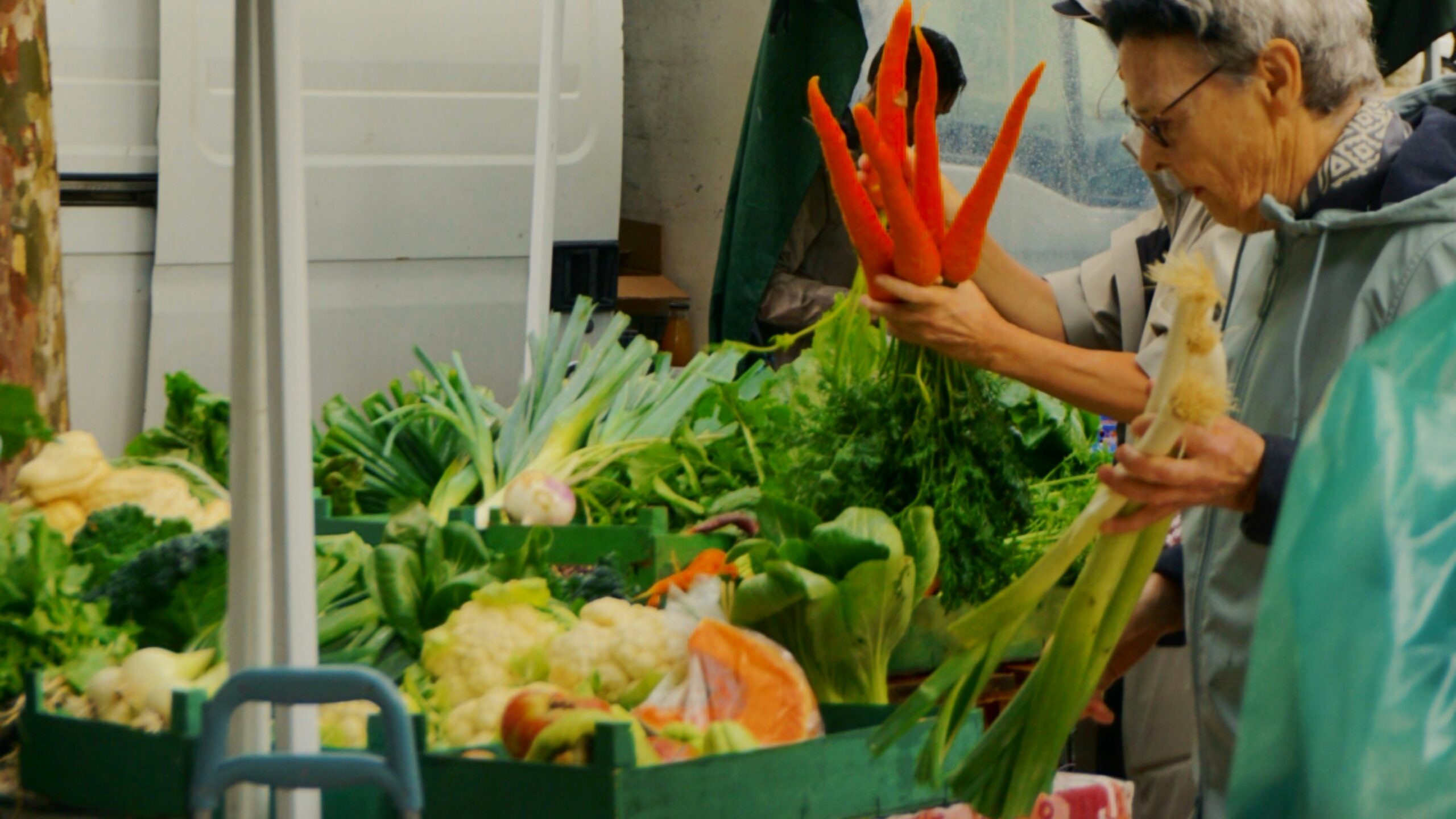
At farmers markets across the country, the tables of ripe tomatoes, peaches, and fresh greens can feel out of reach for an older shopper counting every dollar of a fixed income. A little-known federal benefit was built for exactly that gap. The Senior Farmers’ Market Nutrition Program hands eligible low-income seniors coupons or checks they can spend on locally grown food, turning a splurge into something a tight budget can absorb.
The program is run by the U.S. Department of Agriculture but delivered through the states, and it reaches hundreds of thousands of older adults each year. For retirees whose grocery money stretches thin by month’s end, it is one of the few benefits aimed squarely at buying fresh, healthy food rather than shelf-stable staples.
How the Senior Farmers’ Market Nutrition Program Works
According to the USDA Food and Nutrition Service, the program issues coupons or checks to eligible participants, who then use them like cash at farmers, farmers markets, roadside stands, and community-supported agriculture operations that a state agency has authorized to accept them. The benefit is restricted to fresh, unprepared, locally grown food — vegetables, fruits, herbs, and honey. It does not cover processed or imported items, and it is separate from SNAP, the program many people know as food stamps.
The USDA does not run the program directly. It awards grants to state agencies — often a State Unit on Aging or a Department of Agriculture — which then set up local distribution, sign up participating farmers, and hand out the benefits. That structure is why the details, the enrollment window, and even whether the program exists at all can vary sharply from one state to the next.
Free retirement updates: Keep more of your Social Security and savings with plain-English updates on the changes, deadlines, and costly mistakes retirees miss. Subscribe free to the Retirement Shield newsletter.
Who Qualifies for the Benefit
Two basic tests decide eligibility. A person generally must be at least 60 years old, and household income must fall at or below 185 percent of the federal poverty line, a threshold that shifts with household size. Some states open a second door: a senior already enrolled in another qualifying assistance program, such as the Commodity Supplemental Food Program, may be admitted on that basis. Because states administer the program, the exact income cutoffs and any additional rules are set locally, so the state or county agency is the authority on who makes the cut.
The income test is broad enough that many retirees living on Social Security alone will fall under it, particularly single seniors and two-person households where a pension or savings never replaced a working wage. That is a meaningful point, because a common reason eligible people skip a benefit is the assumption that it is meant for someone poorer than they are. The 185 percent threshold sits well above the strict poverty line, and a modest fixed income does not disqualify a household on its own. The only way to know is to check the local numbers, which the administering agency publishes each season.
Why the Program Is Easy to Miss
The Senior Farmers’ Market Nutrition Program is optional for states, and not every state participates. Even where it operates, a participating agency may not offer it in every county, and the pool of benefits is limited — once a season’s coupons are gone, they are gone. Enrollment often opens in spring or early summer and closes when funds run out, well before the growing season ends. That combination of limited slots and short windows means eligible seniors routinely never hear about it, or learn of it after the coupons have been distributed for the year.
Finding the local program usually starts with a state’s aging services office or a call to the Eldercare Locator, the federal referral line that points callers to services in their area. A local farmers market manager or Area Agency on Aging can also say whether the coupons are accepted nearby and when sign-ups begin. It is worth asking early in the year rather than at peak season, since the sign-up period and the point when a state exhausts its allotment can both arrive well before the summer produce is at its best. A senior who calls in spring is far more likely to secure coupons than one who waits until the tomatoes are ripe.
What the Benefit Is Worth Beyond the Dollar Amount
The coupon value is modest, and it is not meant to replace a grocery budget. Its real value is narrower and, for many retirees, more useful: it lowers the price of the fresh produce that is often the first thing cut when money is short. Diets heavy on canned and processed food are cheaper by the calorie but harder on aging bodies managing blood pressure, diabetes, or heart conditions. A benefit that pays specifically for fruits and vegetables works against that trade-off. For a senior deciding whether the farmers market is a luxury, the program can be the difference between walking past the produce and filling a bag.
This article was researched and drafted with the assistance of AI and reviewed by The Financial Wire editorial team.
More Financial Reading
- Adding someone to your bank account: tax traps and smart moves
- What really happens to your joint savings account when you die?


