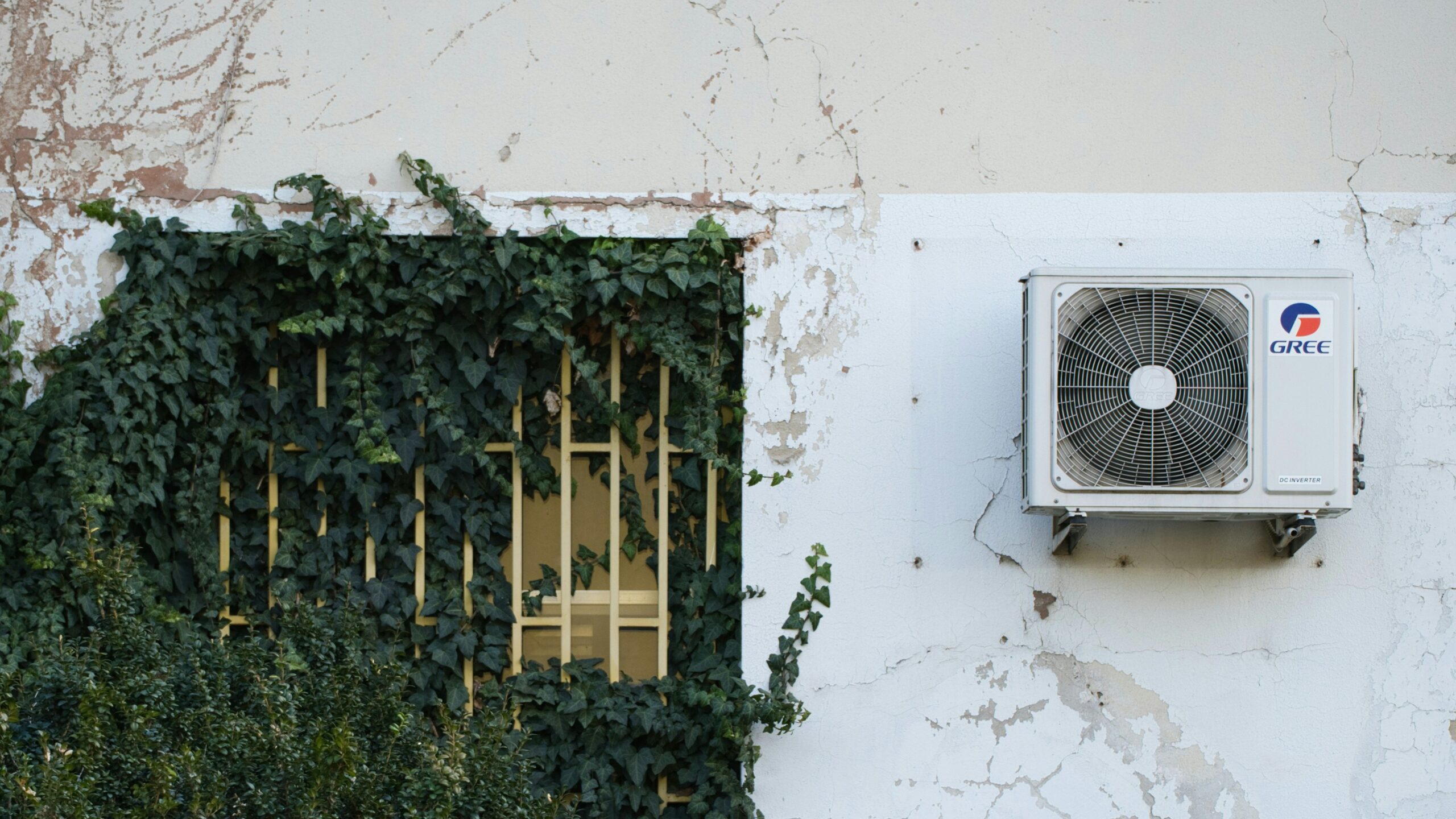
Heating and cooling a home can swallow a large share of a fixed monthly income, and the bills arrive whether or not the money is there. A federal program exists to help low-income households, including many older adults, cover part of those energy costs. It reaches residents only through their own state, however, and only for as long as each state’s annual funding lasts.
How the Low Income Home Energy Assistance Program works
The program, known as LIHEAP, is funded by Congress and administered by the Office of Community Services within the U.S. Department of Health and Human Services. The federal government does not pay households directly. Instead it distributes block grants to states, the District of Columbia, tribes, and territories, each of which sets its own income limits, benefit amounts, and application process.
What the federal rules do require is a floor on the kind of help offered. Every grant recipient must provide heating and crisis assistance, while cooling aid and home weatherization are left to each state’s discretion. That structure is the reason the same program can look meaningfully different from one state to the next, even though the money and the basic rules come from the same federal source.
Free retirement updates: Social Security and Medicare change every year, and nobody sends you a memo. Our free Retirement Shield newsletter breaks down what changed and what to do. Get it free in your inbox.
Applying through a state or local agency
Because the money flows to states, an eligible resident applies to a state or local agency rather than to a federal office, often a community action agency that takes applications and pays benefits directly to the utility or fuel vendor. The LIHEAP Clearinghouse, maintained under the same federal office, points applicants to their state program and its contact details. Funding is finite, so many states open and close application periods on a seasonal schedule and stop accepting new requests once the allocated money runs out, which makes the timing of an application as important as eligibility itself. A benefit is typically paid as a credit to the account rather than as cash to the household, and in a heating or cooling emergency, a separate crisis component can move faster than the regular benefit. Applicants generally need to document income, household size, and recent energy bills, so gathering those papers before a window opens can prevent a missed cycle.
Who tends to qualify
Eligibility is set state by state, but the common thread is income measured against a benchmark such as a percentage of the federal poverty guidelines or a share of state median income. Many states also grant automatic, or categorical, eligibility to households already receiving certain other assistance, so a resident enrolled in a program like Supplemental Security Income or SNAP may clear the income test without a separate calculation. Households that include an older adult, a young child, or a person with a disability frequently receive priority when funds are limited. Because the details differ, a benefit amount that helps substantially in one state can look different across a border, which is why the income limit and priority rules are worth confirming with the local program before applying.
Funding for fiscal year 2026
Congress appropriated about $4.045 billion for LIHEAP in fiscal year 2026, a modest increase of roughly $20 million over the prior year, and the department released the remaining share of the regular block grant in the spring so states could complete their distributions. That total functions as a ceiling. The program reaches only a fraction of the households that would qualify, and how far assistance goes in any given state depends on how thinly that state’s allocation is spread across its applicants. When a state exhausts its share, applications close until the next program year, regardless of need.
The cooling side of the program carries particular weight for older residents. Heat is a serious health risk for seniors, especially those with chronic conditions, yet cooling assistance is optional under federal rules, so it exists in some states and not others. A retiree who assumes help will be available for a summer electric bill may find that a given state funds only heating and crisis aid. That gap is one more reason the program’s reach is defined less by the federal statute than by the choices each state makes with its allocation.
Crisis benefits and a separate weatherization option
LIHEAP is not a single flat payment. Most states run a regular seasonal benefit alongside a separate crisis component for households facing a shutoff notice, an empty fuel tank, or a broken furnace, and the crisis track is built to move faster than the standard application. A resident whose power is about to be cut generally does not wait out the ordinary processing time, which is why an older adult staring at a disconnection notice should ask specifically about crisis assistance rather than the regular benefit.
A bill-payment credit does nothing to lower next winter’s usage, and that is where a companion federal effort comes in. The Department of Energy’s Weatherization Assistance Program pays for energy-efficiency improvements such as insulation and air sealing in income-qualified homes, and a national evaluation found participating households save an average of roughly $372 a year on energy costs. The two programs are often coordinated through the same local agencies, so a retiree applying for help with a bill can ask in the same visit whether the home also qualifies for weatherization that shrinks the bill at the source.
What older applicants should confirm locally
For a retiree weighing whether to apply, the deciding facts are local. The income threshold, the size of the benefit, whether cooling assistance is offered, and the dates the application window opens are all set by the state administering the funds, not by the federal statute that supplies them. Some states give priority to households that include an older adult or a person with a disability, another reason the specifics are worth confirming with the state office before a heating or cooling season begins.
This article was produced with the assistance of artificial intelligence and reviewed by The Financial Wire editorial team.
More Financial Reading
- Bank statements: how long to keep them and when to toss them
- The ideal retirement withdrawal rate so your savings actually last