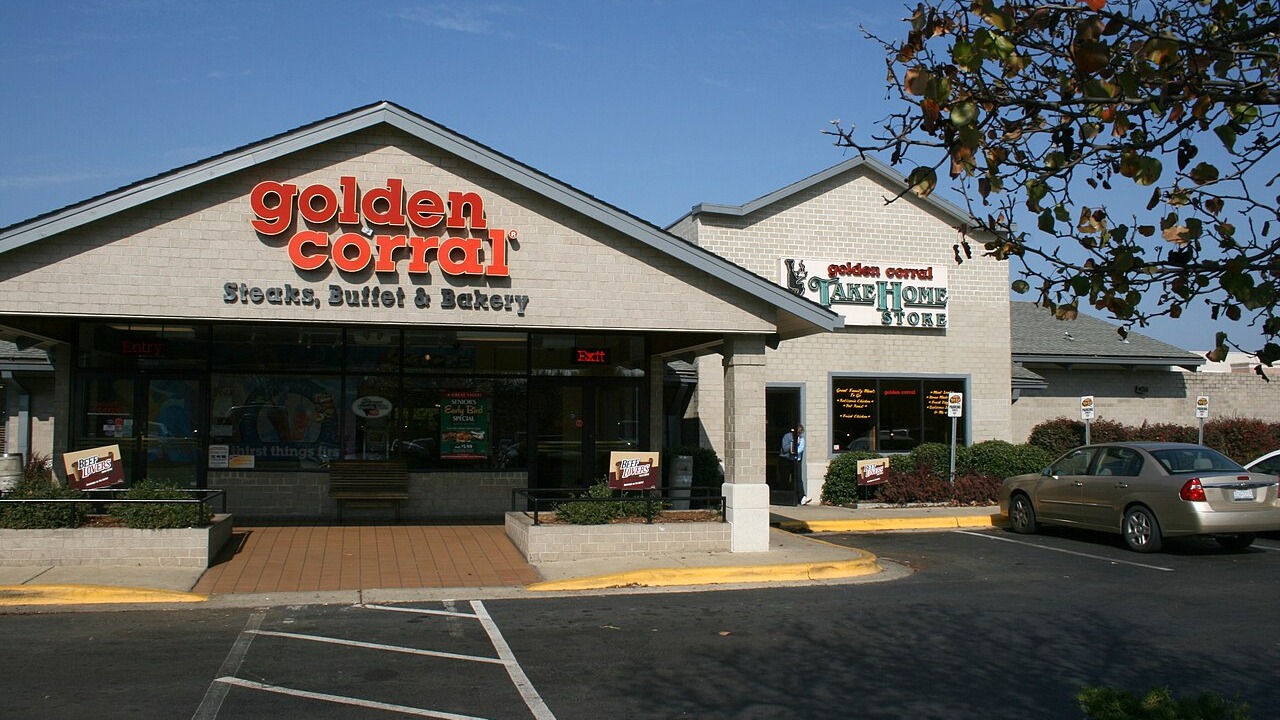
Conroe Corral Murphy, LLC, the operator of a Golden Corral franchise location, has filed for Chapter 11 bankruptcy protection for the second time after a 2025 case ended without a confirmed reorganization plan. The new petition, docketed as case number 26-34166 in the Southern District of Texas, was filed voluntarily under Subchapter V, a streamlined track designed for smaller businesses. The repeat filing raises pointed questions about whether the franchisee can resolve the same financial pressures that derailed its first attempt at court-supervised restructuring.
Why a second Subchapter V filing signals deeper trouble for this franchisee
A single bankruptcy filing is common enough among restaurant operators dealing with tight margins. A second filing within roughly a year, by the same entity and in the same court, points to problems that go beyond a temporary cash crunch. Conroe Corral Murphy, LLC chose Subchapter V again, a path Congress created to give small debtors faster access to plan confirmation with lower administrative costs. The fact that the first case collapsed without producing a workable plan suggests the debtor either could not reach agreement with creditors or could not generate enough revenue to fund repayment terms.
Subchapter V cases move on compressed timelines. Debtors must propose a plan within 90 days of the order for relief, and the process generally avoids the expense of a creditors’ committee. When a debtor returns to the same court under the same subchapter, it signals that the underlying cost structure, whether driven by lease obligations, labor expenses, food costs, or some combination, has not improved enough to support a viable path forward. The pattern here looks location-specific rather than a sign of broad weakness across the Golden Corral brand, which continues to operate hundreds of buffet restaurants through independent franchisees nationwide.
Court records establish the debtor and jurisdiction but leave financial details blank
The federal docket system shows that the voluntary petition filed in the Southern District of Texas identifies Conroe Corral Murphy, LLC as the debtor and confirms the case was opened under Chapter 11 Subchapter V. Beyond those basic facts, the public docket does not yet include the detailed schedules of assets and liabilities, the statement of financial affairs, or creditor matrices that would reveal the full scope of what the company owes and to whom.
Without those filings, the exact dollar amounts at stake remain unknown. The earlier 2025 case presumably generated its own set of schedules, but no primary record of the dismissal order or the court’s stated reasons for ending that proceeding has surfaced in the current case locator. At this stage, outside observers cannot see whether the prior case failed because projected revenues fell short, because a key creditor refused to support the plan, or because the debtor missed critical deadlines.
Neither the franchisee nor the Golden Corral corporate franchisor has issued any public statement explaining what went wrong the first time or what has changed to justify a second try. That silence leaves creditors, employees, and local customers to infer the company’s condition from sparse court entries and on-the-ground signs such as hours of operation, staffing levels, and any visible maintenance or capital improvements at the restaurant.
Open questions that will shape the outcome of case 26-34166
Several gaps in the record will need to close before anyone can assess whether this second attempt has better odds. The most immediate is the filing of schedules and the statement of financial affairs, which will show total debt, the identity of secured and unsecured creditors, and whether the debtor holds assets beyond the restaurant operation itself. Lease terms matter here: a single-unit buffet restaurant typically carries significant fixed occupancy costs, and if the landlord is a major creditor, the ability to renegotiate rent or cure arrears will be pivotal to any plan.
Another unknown is the status of franchise obligations. Golden Corral franchisees generally pay ongoing royalties and must meet brand standards, which can require capital spending on equipment and décor. If the franchisor is listed as a substantial unsecured creditor, or if past-due royalties have accumulated, the debtor may face pressure either to catch up quickly or risk losing the franchise agreement that underpins its entire business model.
The role of the Subchapter V trustee will also be critical. In these cases, a trustee is appointed to facilitate plan negotiations and monitor feasibility rather than to displace management outright. Whether the trustee in case 26-34166 presses for operational changes, asset sales, or a possible conversion to a traditional Chapter 11 or liquidation will depend heavily on what the forthcoming financial disclosures reveal.
What the next 90 days could reveal
Once the schedules are filed and the court holds an initial status conference, the timeline will tighten. Subchapter V requires the debtor to file a plan within 90 days of the order for relief unless the court grants an extension for circumstances beyond the debtor’s control. That plan must show how Conroe Corral Murphy, LLC intends to fund payments to creditors, whether through continued operations, new financing, or the sale of assets.
Creditors and other interested parties can monitor developments by logging into the judiciary’s electronic filing portal via the PACER login, where new pleadings, financial statements, and court orders will appear as they are docketed. For now, the second Subchapter V petition underscores the fragile economics of single-location buffet restaurants and leaves open whether this particular Golden Corral franchise can find a sustainable path out of repeated bankruptcy.