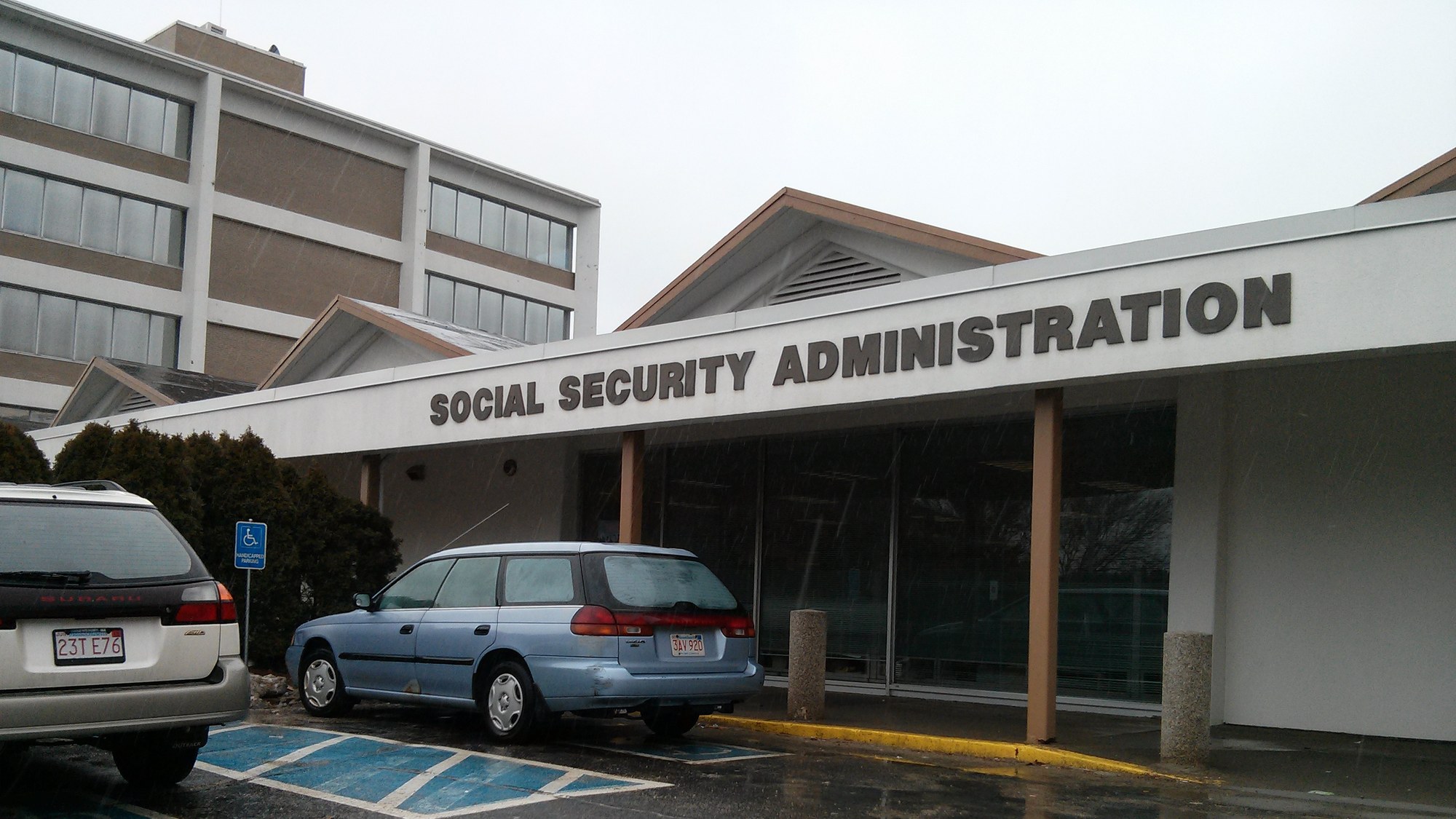
A bill in the U.S. House would increase Social Security benefits and change how the program is funded in an effort to extend the life of its trust funds, according to the measure’s own text. The Strengthening Social Security Act of 2026 arrives as the program’s trustees have again reported a firm depletion timeline for the fund that pays retirement and survivor benefits. The bill is a proposal referred to two House committees in June, not a change to anyone’s current benefit or tax bill.
The Solvency Gap the Bill Is Aimed At
Social Security’s Old-Age and Survivors Insurance (OASI) Trust Fund, which pays retirement and survivor benefits, is projected to become depleted in the fourth quarter of 2032, at which point continuing income would cover 78% of scheduled benefits, according to the Social Security Administration’s June 9, 2026 announcement of the trustees’ annual report. If OASI is considered together with the smaller Disability Insurance fund, the combined reserves last until 2034, when 83% of scheduled benefits would still be payable. The trustees also reported that the program’s total cost has exceeded its income from payroll taxes and benefit taxation every year since 2010, and that the projected 75-year funding shortfall grew from 3.82% of taxable payroll in last year’s report to 4.42% this year. None of those figures move without action from Congress, the SSA release notes — the fund does not simply run out and stop paying anything, but a depleted trust fund does mean an automatic cut to payable benefits under current law.
Free retirement updates: One number can cost or save hundreds a month in retirement. The free Retirement Shield newsletter surfaces the ones worth knowing. Sign up free.
What the Strengthening Social Security Act Would Do
H.R.9296 is described in its own summary, tracked by LegiScan from official Congress.gov bill data, as legislation “to improve the retirement security of United States families by strengthening Social Security.” The short title frames the bill around two goals named directly in the headline research behind this story: raising the benefit amounts current and future retirees receive, and improving the financial position of the trust funds that pay for those benefits. As a bill still in its earliest procedural stage, its specific benefit formulas and funding mechanisms would need to be worked out further in committee before either goal becomes enforceable law.
Sponsorship and the Committees Now Reviewing It
Rep. Linda Sánchez, D-Calif., introduced H.R.9296 with six original Democratic cosponsors — Reps. Janice Schakowsky, Eleanor Holmes Norton, Chellie Pingree, Stephen Lynch, Steve Cohen and Shri Thanedar — according to LegiScan’s sponsor listing. No Republican member has signed on as a cosponsor. The bill was referred on June 11, 2026, to the House Ways and Means Committee and, in addition, to the Education and Workforce Committee, each reviewing the provisions that fall within its own jurisdiction. LegiScan’s tracking also lists a related measure, H.R.10235, referred separately to Ways and Means in early September, suggesting the underlying policy ideas continue to circulate in the House even as neither bill has advanced past committee.
What Committee Referral Does and Doesn’t Mean
Being referred to committee is the standard first step for essentially every bill introduced in Congress, and most bills never move beyond it. LegiScan lists H.R.9296 at roughly 25% progression — introduced and referred, with no committee hearing, markup or vote yet scheduled. For the bill to affect an actual Social Security check, the Ways and Means Committee (and, on the pieces within its jurisdiction, Education and Workforce) would need to act on it, the House would need to pass it, the Senate would need to take up and pass its own version, and a president would need to sign the result. Until any of that happens, current benefit amounts and current payroll-tax rules remain exactly what the SSA’s own trustees report already describes.
The Numbers Behind “Shore Up the Fund,” and a Related Bill in the Wings
The trustees’ June 9 announcement lays out just how large the gap is that any solvency bill has to close. The combined trust funds took in $1.45 trillion in 2025 — $1.32 trillion from payroll tax contributions, $58 billion from income taxes on benefits, and $69 billion in interest — against $1.61 trillion in expenditures, a shortfall covered by drawing down reserves that fell by $160 billion over the year to $2.56 trillion. The program paid $1.60 trillion in benefits to 70 million beneficiaries in 2025, while an estimated 185 million workers had earnings covered by Social Security and paid into the system. The trustees’ projected 75-year shortfall widened from 3.82% of taxable payroll in last year’s report to 4.42% this year, a gap SSA Commissioner Frank Bisignano said requires “lawmakers and the Social Security Administration to work together” to close. H.R.9296 is also not the only House measure touching this territory: LegiScan’s tracking links it to H.R.10235, a related bill referred to the Ways and Means Committee on September 2, 2026 — nearly three months later — suggesting the same policy goals of higher benefits and improved solvency are still being actively drafted and re-filed in the House rather than settled into a single vehicle. Neither bill has moved beyond committee referral as of this writing.
The form the notice never names
An overpayment notice sets a deadline and a withholding rate, but not which form pauses collection while it is disputed.
The Social Security Check Protection Kit includes an 18-page kit, the 2026 payment calendar and the three SSA forms that stop or pause collection (SSA-561, SSA-632, SSA-634).
See the three SSA forms in The Social Security Check Protection Kit.
AI tools assisted in researching and drafting this article, which was reviewed prior to publication.