Gilberto Barron, formerly of Delano, California, and Las Vegas, was sentenced on Sept. 28 to seven years and ten months in federal prison for a $10 million real estate fraud scheme. He pleaded guilty on June 29, 2026, to conspiracy to commit wire fraud, conspiracy to commit money laundering and aggravated identity theft. The scheme sold homes the sellers did not own, some of them homes whose owners had died, to buyers who believed they were closing legitimate purchases.
The case matters well beyond the Central Valley. Home equity is the largest asset many retirees hold, and a fraud that can sell a house out from under its owner, or out from under that owner’s heirs, strikes at the center of a household balance sheet. Buyers who wired or handed over cash lost money to a seller with no right to take it.
How the fake sellers worked
According to the IRS Criminal Investigation release, the conspiracy ran in 2021 and 2022. Barron and co-conspirators, including federal inmate Seth Depiano, formerly of Clovis, created fraudulent identities posing as real estate agents. They also built shell companies that mimicked legitimate firms.
The group marketed properties online at reduced prices to buyers in the Central Valley, among them homes where the owners had died. Bargain pricing did the recruiting. Barron and others then met buyers in person under the false identities and presented fabricated deeds and title reports to complete the sales. Paper that looked official was the product being sold, and the buyers had no reason to doubt it until the real ownership surfaced.
The release does not give a count of victims or properties, and it does not state a restitution figure. Those numbers are not asserted here.
Laundering through Las Vegas casinos
Proceeds were laundered primarily through Las Vegas casinos, per the release. Participants fed large amounts of cash into gaming machines with minimal actual gambling and then cashed out quickly, converting sale proceeds into casino payouts that were harder to trace back to the fraud.
That second half of the scheme is the reason IRS Criminal Investigation, the agency that follows money, sits at the head of the investigation. The Bakersfield Police Department, the FBI and the Nevada Attorney General’s Office also took part.
Sentences for the co-defendants and the court’s prosecutors
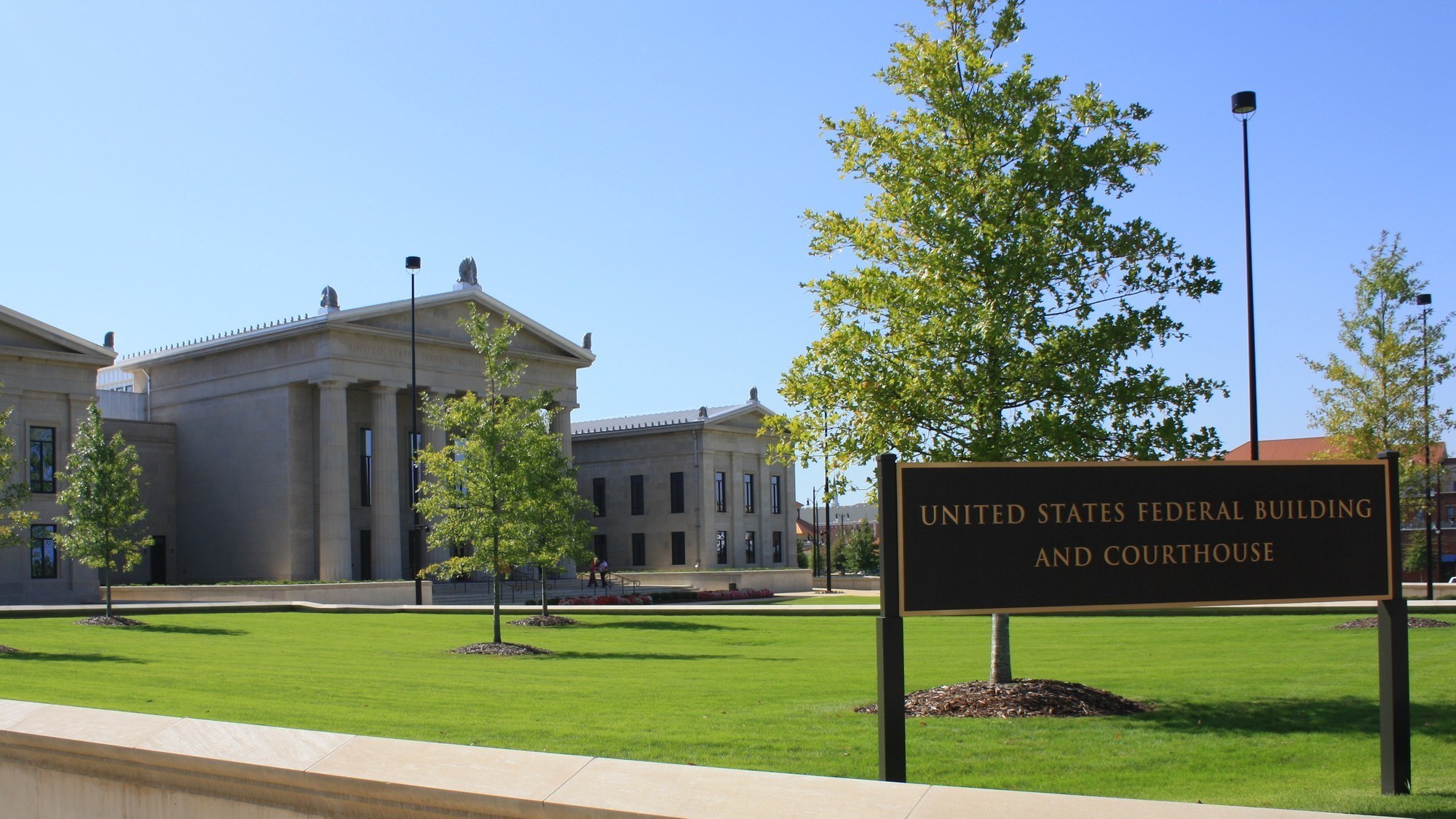
U.S. District Judge Jennifer L. Thurston imposed the sentence in the Fresno federal court. Assistant U.S. Attorneys Cody Chapple and Joseph Barton prosecuted the case. Depiano, already serving a 12-year sentence, received an additional nine years, for 21 years in total. Zahria Barber of Las Vegas was sentenced to one year in prison for helping to launder the money.
U.S. Attorney Eric Grant said in the release: “Barron chose to engage in a multimillion-dollar fraud scheme, and today’s sentence makes clear that such criminal conduct will be met with substantial punishment.”
What the case shows about homes and identities
Two features of the scheme stand out for homeowners. The first is that the targets were real properties with real owners, including owners who could no longer object. A house that sits empty after a death is easy to describe as a bargain, and an heir who has not yet retitled it may not notice an advertisement for it. Families settling an estate can reduce that exposure by finishing the retitling and keeping county ownership records current, but the release itself offers no guidance on that point and none is attributed to the prosecutors.
The second is that the fraud depended on identities: invented agents, imitation companies and fabricated documents. Aggravated identity theft is one of the three counts to which Barron pleaded guilty. A scheme of this kind needs convincing details, and details about real people and real property are not hard to find in public records and on commercial lists.
Where the federal record stands
The IRS-CI press release index lists the sentencing among its recent announcements, and the Justice Department’s news page carried no separate companion release when checked. The IRS-CI announcement is therefore the complete public account for now, and the facts above are limited to what it states.
For buyers, the practical lesson from the prosecutors’ account is narrow and sourced: the sales were made through people who were not who they claimed to be, with documents that were not what they claimed to be, at prices that were lower than the market. Barron’s sentence of seven years and ten months is the outcome of a case that began with those prices.
Deed fraud and the personal data that circulates about homeowners
The release does not say how the group chose its targets, but a scheme built on fake identities and convincing paperwork shows why personal details about homeowners matter. Incogni asks data brokers and people-search sites to remove personal information, sends those removal requests on the subscriber’s behalf and keeps re-sending them. Less personal data on broker lists can mean fewer scam calls, texts and emails, and the status of each request is visible in the account.
See how Incogni sends removal requests to data brokers and people-search sites → We may earn a commission if you buy through this link.
This article was produced with AI assistance and checked against the primary sources linked above.