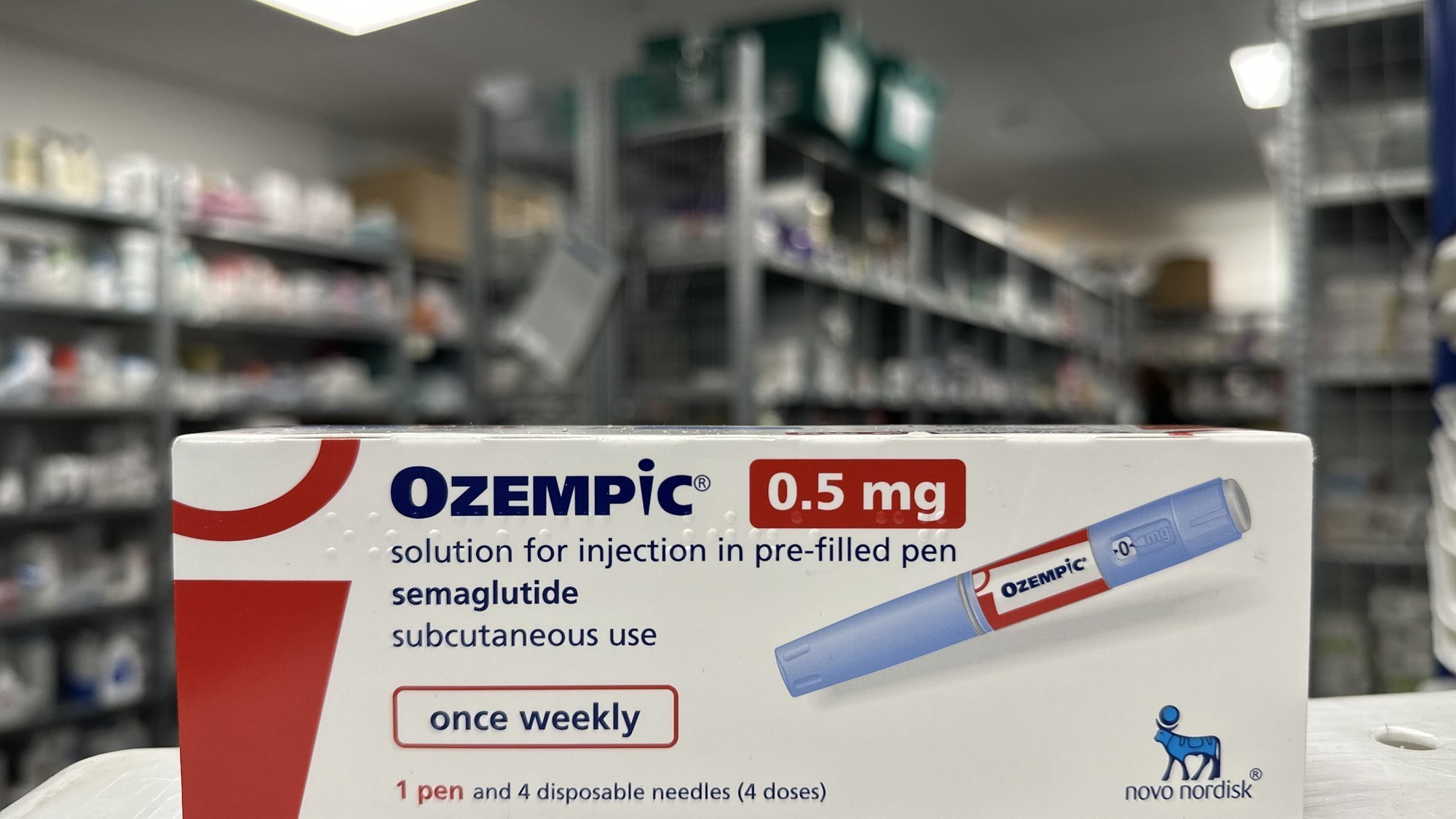
Federal prosecutors in Florida have charged two Indian nationals, Swapnadip Roy, 33, and Vicky Ramancha, 37, over an alleged scheme to bring counterfeit Ozempic into the United States and sell it to American distributors at a discount. The Justice Department announced the case on September 29, 2026. These are charges only: no one has been convicted, and both men are presumed innocent.
The case turns on a simple price tactic. Cheap pens only sell if buyers expect to pay more, and the department says the product at the center of this one was built to look like the real thing.
Six counts and a 71-year ceiling for each man
According to the Justice Department’s release, the case sits in the Middle District of Florida. Roy and Ramancha each face six counts: one count of conspiracy to commit smuggling and to defraud the United States, three counts of smuggling, and two counts of selling counterfeit drugs. The statutory maximum for each defendant is 71 years in prison.
That figure is a ceiling set by statute, not a prediction. Actual sentences, if there were ever a conviction, depend on a judge, the facts proved and sentencing rules. The release also carries its standard caution: an indictment is merely an allegation, and every defendant is presumed innocent until proven guilty beyond a reasonable doubt in a court of law.
Assistant Attorney General A. Tysen Duva of the Criminal Division said that counterfeit prescription drugs, “especially common ones,” threaten the health and safety of every American who depends on the integrity of the pharmaceutical supply. Assistant U.S. Attorney Christopher Murray of the Middle District of Florida, whose office is handling the case, said the indictment reflects “unwavering commitment to protecting Americans from potential harm from counterfeit prescription drugs.”
Unauthorized sources in China, discounted sales to U.S. distributors
The department alleges the counterfeit Ozempic came from unauthorized sources in China, and that the two men obtained it between July 2023 and April 2024. The charged smuggling counts are the legal form of the “importing” in the allegation: product moved across the border outside the legitimate supply chain.
On the selling side, the release says the product went to U.S. distributors at deeply discounted prices. Prosecutors describe the packaging, package inserts, pen labels and needles as designed to deceive purchasers, which means the box and the pen were allegedly meant to pass for authentic Ozempic. A distributor, pharmacy or patient looking at the product would see the real brand’s presentation, while the contents and origin were something else.
The money lesson sits in that combination. A lower price is the lure, and the cost lands on whoever pays it: money handed over for a medicine that is not what the label says. The release gives no dollar value for the scheme and no count of pens, so no loss figure appears here. It also does not say any patient or particular pharmacy received the product, and nothing in this article suggests one did.
The FDA’s December 2023 seizure, and what it said then
The Justice Department points to earlier action by the Food and Drug Administration as background. That action dates to December 2023, long before the September 2026 charges, and is context for the case rather than a new event. In its alert, the FDA reported seizing thousands of counterfeit Ozempic 1 mg units on December 21, 2023, from a single lot, and warned consumers not to buy or use the affected product. The agency said the counterfeit needles carried an increased risk of infection because their sterility could not be confirmed, and that pen labels, informational materials and cartons were also counterfeit.
The same FDA page was later updated with further seizures: several hundred units in April 2025 and dozens in December 2025. The FDA has not tied those later seizures to the two men charged this week, and the Justice Department release does not either.
The agency’s standing advice for patients is plain: obtain Ozempic only with a valid prescription through a state-licensed pharmacy, and examine a product for signs of counterfeiting before use. A deal that undercuts a licensed pharmacy by a wide margin is the kind of offer that advice is aimed at.
What happens next in the Florida case
The release does not list a trial date or say whether either man has entered a plea. Those details will come from the court record in the Middle District of Florida. Until then, the allegations stay allegations.
Justin Green, Assistant Commissioner of the FDA’s Office of Criminal Investigations, said in the Justice Department release that “drug safety and quality do not begin or end at the U.S. border,” a statement that frames the case as one about supply chains as much as about two defendants.
Counterfeit medicine sold at a discount
The Senior Fraud Defense & First-Hour Recovery Kit is written for older adults and their families who want a plan ready before a scam, a bad payment or a too-good-to-be-true offer reaches them. It addresses the moment after money has left an account, when the first hour decides how much is documented and who gets called.
The Senior Fraud Defense & First-Hour Recovery Kit is a 9-page kit that includes a first-hour recovery plan, a family code word and a fraud evidence and report log, so each step after a suspected scam can be written down as it happens.
Get The Senior Fraud Defense & First-Hour Recovery Kit and keep the first-hour plan on hand →
This article was produced with AI assistance and checked against the primary sources linked above.