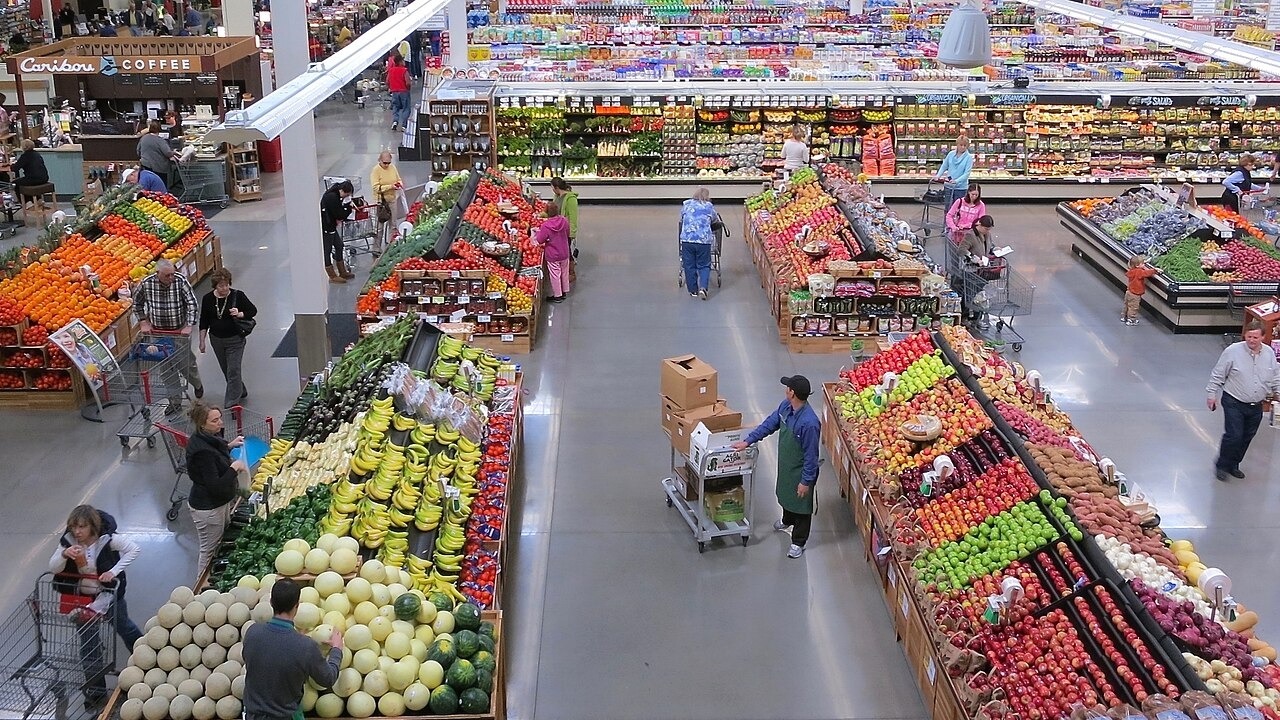
California shoppers throw away an estimated 2.5 billion meals worth of unspoiled food each year, driven in large part by a patchwork of confusing date stamps on packages. Starting with products manufactured on or after July 1, 2026, a new state law called AB 660 will restrict which phrases can appear on food labels, replacing the jumble of “sell by,” “best before,” and “enjoy by” dates with just four standardized terms. The change represents the most prescriptive date-labeling mandate in the country and sets up a direct test of whether clearer wording on packages actually keeps edible food out of landfills.
Why standardized labels matter for California’s 2.5 billion wasted meals
The problem AB 660 targets is straightforward: most date labels on food packages have nothing to do with safety. A “sell by” date, for instance, is a stock-rotation tool for retailers, not a warning that the product is dangerous to eat. Yet surveys and federal reviews have repeatedly found that consumers treat all date stamps as expiration dates and discard food that is still perfectly safe. The federal watchdog documented this fragmented system in its 2019 report, noting that federal date-labeling rules are largely voluntary and vary by product category, with no single standard consumers can rely on.
California’s response is blunt. Under the statutory language of AB 660, manufacturers may use only “BEST if Used by” or “BEST if Used or Frozen by” for quality dates, which signal peak flavor or texture. For safety dates, which flag a genuine health risk after a certain point, the law permits only “USE by” or “USE by or Freeze by.” Any consumer-facing “sell by” language is barred. The distinction matters because it gives shoppers a quick, binary signal: one set of phrases means the food may taste slightly different past the date, while the other means it should not be consumed.
The federal government has moved in the same direction but without the force of law. The FDA and USDA have encouraged manufacturers to adopt “Best if Used By” for quality dates, yet they do not prohibit other truthful phrases for most foods, according to a joint notice tied to a formal request for public comment published in the Federal Register in December 2024. That voluntary approach has left the national system exactly where GAO described it seven years ago: inconsistent and confusing.
Can CalRecycle data show whether AB 660 cuts waste?
The state’s own rationale for the law rests on a striking number. The California agriculture department ties AB 660 directly to CalRecycle estimates showing that 2.5 billion meals worth of unspoiled food are discarded annually in the state, with organic waste making up a significant share of what ends up in landfills. If standardized labels help even a fraction of shoppers keep safe food in their kitchens instead of their trash bins, the climate and economic benefits could be substantial.
Whether that happens will depend on more than just the words printed on packages. CalRecycle tracks waste flows through statewide disposal and diversion data, but teasing out the specific impact of AB 660 will require careful analysis. Food waste trends are already being pushed by other policies, including California’s broader organic waste reduction mandates and local composting programs. Any future evaluation will have to separate the effect of clearer labels from the influence of those parallel efforts and from broader economic shifts that change how much food people buy.
Still, AB 660 offers researchers a natural experiment. Because the law applies only to products manufactured on or after July 1, 2026, older inventory with legacy labels will remain on shelves for a time alongside newly labeled items. That transition period could allow CalRecycle or academic partners to compare disposal patterns for products with standardized phrases against similar items with traditional “sell by” or “best before” dates, especially if paired with consumer surveys about how people interpret each type of label.
Retailers and manufacturers may also generate useful data of their own. If shoppers become more confident keeping foods past a “BEST if Used by” date, stores could see changes in demand for deeply discounted close-dated products or in the volume of unsold items they send to food recovery organizations. Over time, those operational metrics could complement CalRecycle’s statewide disposal figures, offering a more granular picture of how behavior is shifting.
A test case for national policy
AB 660 effectively pushes California ahead of federal guidance, transforming what has been a voluntary best practice into a mandatory standard for most packaged foods sold in the state. That move could ripple beyond California’s borders if national brands decide it is simpler to adopt the state’s four phrases across all their products rather than maintain separate labels for different markets. It could also inform the FDA and USDA as they review public comments on whether to strengthen or formalize their own labeling recommendations.
For now, the law’s success will be judged less by the neatness of grocery store shelves and more by what shows up in trucks headed to landfills. If CalRecycle data in the years after 2026 show a measurable drop in still-edible food tossed by households, AB 660 may become a template for other states looking to tackle waste through clearer communication. If the numbers barely budge, it will suggest that date labels are only one piece of a much larger puzzle in how Americans buy, store, and value their food.