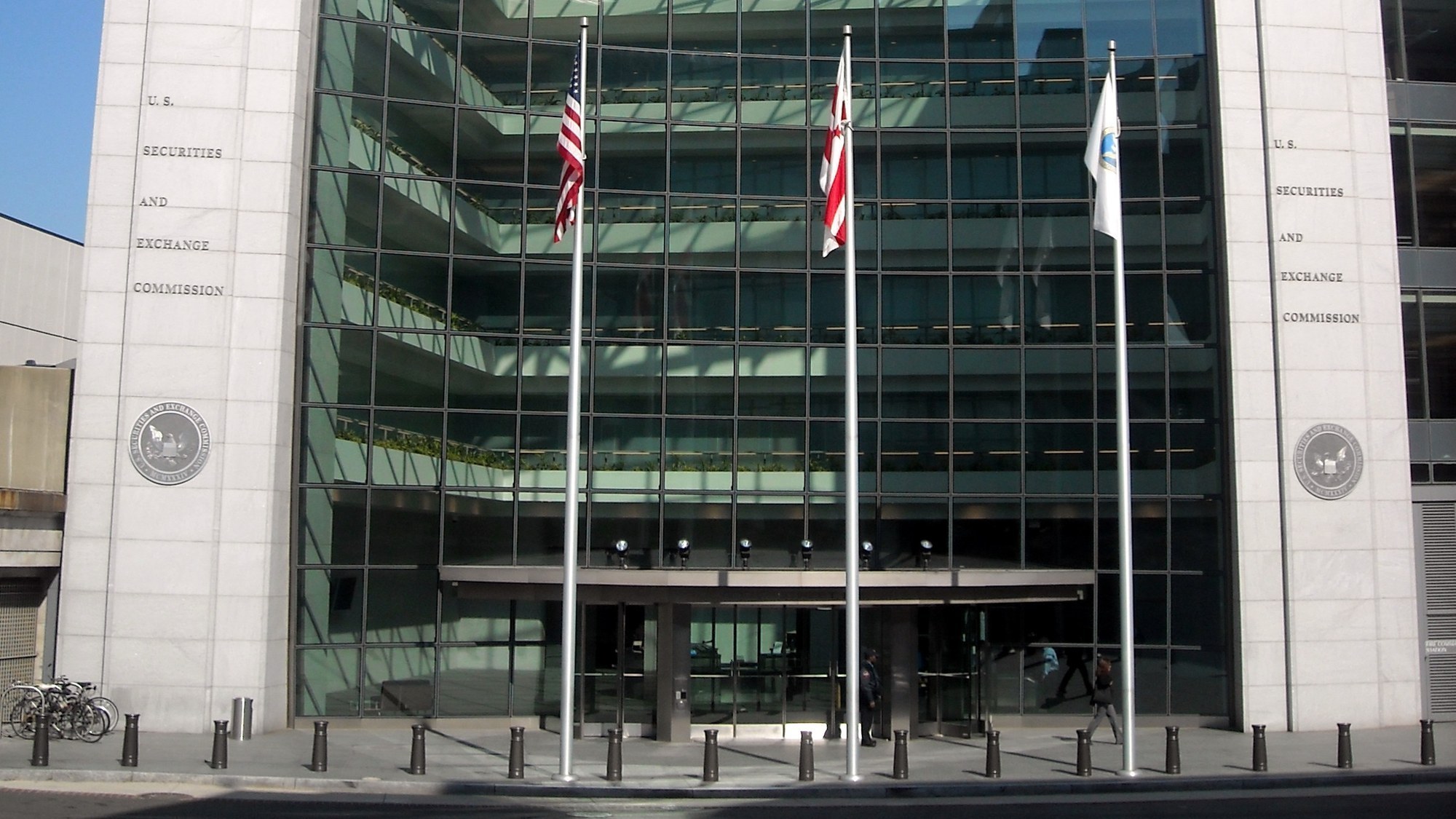
Federal prosecutors in Manhattan charged Paul Regan with conspiracy, securities fraud, and wire fraud for allegedly running a Ponzi scheme that collected more than $60 million from over 300 investors. The indictment, unsealed in the Southern District of New York, accuses Regan of funneling new investor money into payments to earlier participants through two entities, Next Level Holdings and Yield Wealth Ltd. A parallel civil action filed by the Securities and Exchange Commission puts the total raised at more than $63 million and places the scheme’s active window between September 2022 and November 2024.
Dual federal actions signal broader scrutiny of Regan’s network
The fact that the Department of Justice and the SEC moved against Regan at roughly the same time is not routine. Criminal indictments and civil enforcement complaints often follow different investigative tracks, and their simultaneous release typically signals coordinated planning between agencies. The federal prosecutors describe a scheme built on promises of high yields and principal protection, while the SEC’s litigation release adds that international wire transfers were part of the money flow. That detail matters because it suggests funds moved beyond U.S. borders, opening the door for investigators to trace recipients who may have helped sustain the fraud.
The parallel timing, combined with references to cross-border wires, raises the possibility that prosecutors are building a wider case. Indictments in the Southern District of New York frequently name additional defendants in superseding filings once cooperating witnesses or financial records reveal co-conspirators. No overseas facilitators have been publicly identified in the Regan case so far, but the international-wire language in both the criminal and civil filings points to transactions that required someone on the receiving end. Investors who sent money into Next Level Holdings or Yield Wealth Ltd. now face the reality that recovering those funds could depend on whether authorities can reach assets held outside the United States.
How the $63 million fraud allegedly worked
According to the unsealed indictment, Regan told investors their capital would be protected and that returns were backed by insurance or surety arrangements. In practice, the government alleges, new investor deposits were cycled directly into payments owed to earlier participants. That recycling of capital is the defining feature of a Ponzi scheme: no legitimate revenue stream supports the promised returns, so the operation collapses once fresh money slows.
The SEC’s civil complaint describes the same payment pattern and extends the total raised to more than $63 million. The difference between the DOJ’s $60 million figure and the SEC’s $63 million figure likely reflects different counting methods or time cutoffs, but both agencies agree on the core mechanic: new investor funds were used to pay earlier investors. Regan also allegedly diverted a portion of the money to commissions and personal expenses, further shrinking the pool available to honor redemption requests.
The scheme’s two-year run, from September 2022 through November 2024, overlapped with a period of elevated interest rates when many retail investors were searching for yield. Promises of high returns with principal protection would have been especially attractive in that environment, which may help explain how Regan was able to draw in more than 300 participants. Marketing materials and sales pitches that emphasized safety, insurance, or guaranteed payouts can create a sense of security that blunts the usual skepticism investors might apply to unusually high returns.
Impact on investors and prospects for recovery
For investors, the most immediate consequence is the likely loss of a substantial portion of their principal. In Ponzi cases, early participants who withdrew funds sometimes come out whole or even ahead, while later investors bear the brunt of the collapse. Regulators typically seek to claw back so-called “net winnings” from those who profited, redistributing what remains to net losers through a court-supervised claims process. That process can take years, and the ultimate recovery rate often depends on how much cash or property authorities can seize before it is dissipated.
The references to international wire transfers introduce additional uncertainty. Assets that have moved offshore can be harder to locate and freeze, especially if they are held through opaque corporate structures or in jurisdictions with limited cooperation. At the same time, the involvement of both the DOJ and the SEC increases the chances that investigators will pursue mutual legal assistance treaties and other cross-border tools to trace and recover funds. Investors may see interim relief in the form of asset freezes or receivership appointments, but full restitution is rarely achievable in large-scale Ponzi schemes.
What regulators are signaling to the market
The coordinated actions against Regan send a broader message to the market about high-yield investment offerings that rely on complex structures or vague assurances of protection. By emphasizing the alleged misuse of new investor funds and the absence of real revenue-generating activity, both agencies are underscoring a familiar warning: if an investment promises above-market returns with little or no risk, investors should assume heightened scrutiny is warranted. The case also highlights the importance of verifying the existence and terms of any purported insurance or surety backing an investment, rather than relying on verbal assurances or unverified documents.
For financial professionals, the Regan charges may prompt renewed attention to due diligence obligations when recommending alternative products. Broker-dealers, advisers, and other intermediaries who introduced clients to Next Level Holdings or Yield Wealth Ltd. could face questions about what steps they took to confirm the legitimacy of the offerings. Even absent formal allegations against third parties, the case illustrates how quickly reputational damage can spread when a seemingly sophisticated investment platform is revealed to be a basic Ponzi structure.
As the criminal and civil proceedings move forward, the key questions will include how much money can be traced, whether additional participants are charged, and what share of the more than $60 million raised can ultimately be returned to victims. Whatever the outcome, the Regan case stands as another example of how traditional Ponzi tactics can be repackaged with contemporary branding and cross-border payment channels, leaving regulators and investors to confront familiar risks in a new guise.