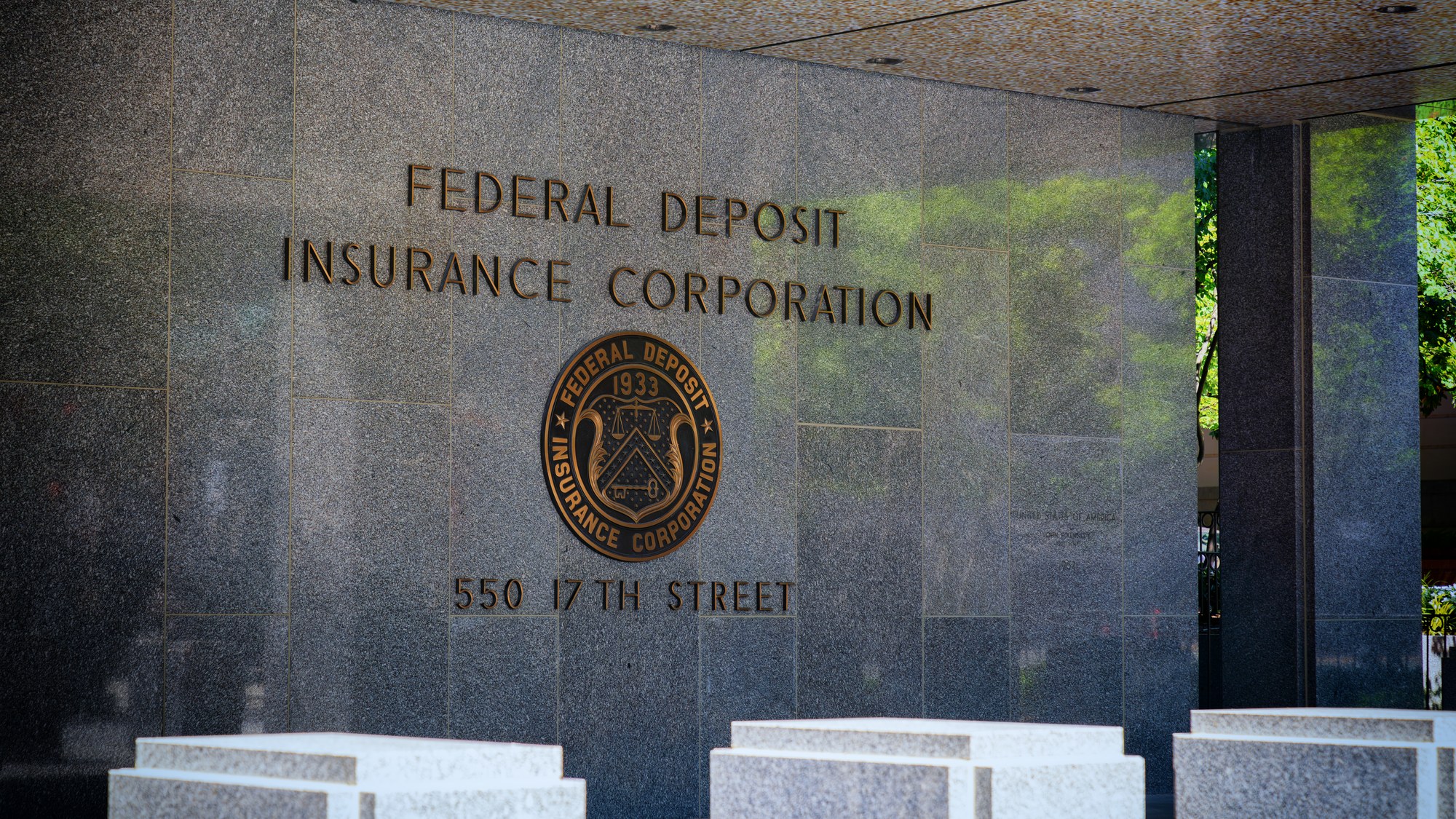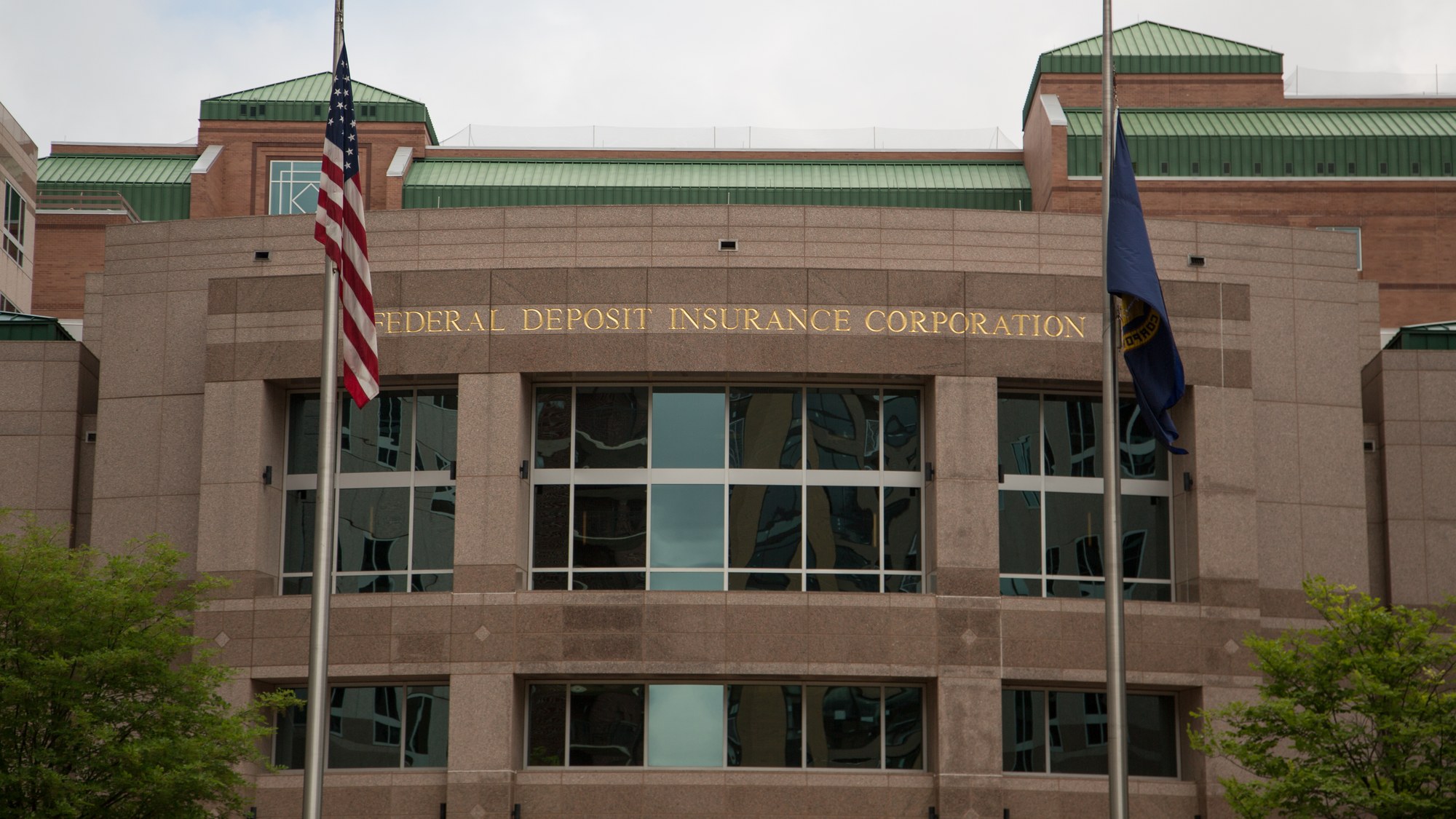
Regulators shut down a small Philadelphia bank in late August, marking the fifth U.S. bank failure of 2026, and the episode ended the way federal deposit insurance is designed to end: without a single depositor losing a dollar. The Pennsylvania Department of Banking and Securities closed Tioga-Franklin Savings Bank on August 21, 2026, and appointed the Federal Deposit Insurance Corporation as receiver. Every account holder kept full access to insured funds, a reminder for older savers watching the year’s failure count climb that the mechanics behind the headline matter more than the headline itself.
The Fifth Bank Failure of 2026
Small community institutions have made up most of this year’s failures, and Tioga-Franklin’s closure brought the 2026 total to five, a pace regulators and industry trackers have been watching closely against prior years.
Tioga-Franklin Savings Bank had reported total assets of $68 million and total deposits of about $67 million as of June 30, 2026, according to the FDIC’s press release announcing the closure.
The Pennsylvania Department of Banking and Securities, not the FDIC, made the actual decision to close the bank, which is standard for a state-chartered institution; the FDIC’s role began the moment the state regulator appointed it receiver, at which point resolving the failure and protecting depositors became the federal agency’s responsibility.
Free download: Which benefits are protected and how to show it, what to do about a frozen account, and how to answer a debt collector. Download the free bank and debt checkup.
Free download from RetireShield. Getting it also signs you up for the free Retirement Money Brief, a weekday email. Unsubscribe anytime.
How FDIC Insurance Covered Every Account
Standard FDIC deposit insurance covers up to $250,000 per depositor, per ownership category, at each insured bank, and it applies automatically the moment an account is opened at an FDIC-member institution, with no separate enrollment or paperwork required. In Tioga-Franklin’s case, every dollar on deposit, not just the insured portion, moved intact because the FDIC arranged for another bank to assume the entire deposit book rather than paying out insurance claims directly.
That distinction matters for anyone holding a balance above $250,000 at a single bank, since a straight insurance payout would only guarantee the insured portion; a full deposit assumption like this one is a better outcome for larger account holders, even though it is not the outcome the FDIC guarantees in every failure.
What $67 Million in Deposits Looked Like on the Ground
A bank the size of Tioga-Franklin represents a fraction of the deposits held at a large regional or national institution, and its single branch reflects how much of the 2026 failure activity has concentrated among small, locally focused savings banks rather than large multi-state chains. The FDIC estimates the closure will cost the Deposit Insurance Fund roughly $5.5 million, a figure the agency says may still change as it sells off retained assets from the failed bank.
The Deposit Insurance Fund itself is financed by premiums the banking industry pays into it, not by taxpayer appropriations, which is part of why the FDIC can absorb a failure of this size and still guarantee every insured account without any depositor seeing a delay in access to funds.
The Broader 2026 Pattern of Bank Failures
Tioga-Franklin’s closure is one entry in a year that has already produced five bank failures nationally, a number that community bankers and depositors alike are tracking as a signal of stress among smaller institutions facing tighter margins and rising funding costs. Each failure so far in 2026 has been resolved through the same insured-deposit mechanism that protected Tioga-Franklin’s customers, rather than any loss to insured account holders.
Small state-chartered savings banks like Tioga-Franklin carry FDIC insurance from the day they open, alongside oversight from their state banking regulator, so the insurance protection behind this closure was in place for the bank’s customers long before August 2026, not something arranged after the fact.
What the FDIC’s Own Numbers Confirm
The FDIC’s press release states plainly that no depositor lost money as a result of the closure, regardless of account balance, which remains the operative fact for anyone with money at a small community bank watching this year’s failure count rise. Depositors who want to confirm whether their own bank carries FDIC coverage can look it up directly through the FDIC’s BankFind tool rather than relying on branch signage or assumptions about a bank’s size.
Verifying FDIC Coverage Before a Bank Makes Headlines
A closure like Tioga-Franklin’s raises a question insurance limits alone don’t answer: what actually happens to a specific account, especially one that also carries protected federal benefit deposits or an active debt dispute, once a bank changes hands.
The Bank Account & Debt Protection Kit is a 10-page kit covering the 2-month bank protection rule and a protected-funds and dispute log.
Review the protection rule in The Bank Account & Debt Protection Kit.
This article was reported and written with AI assistance and reviewed by The Financial Wire editorial team.