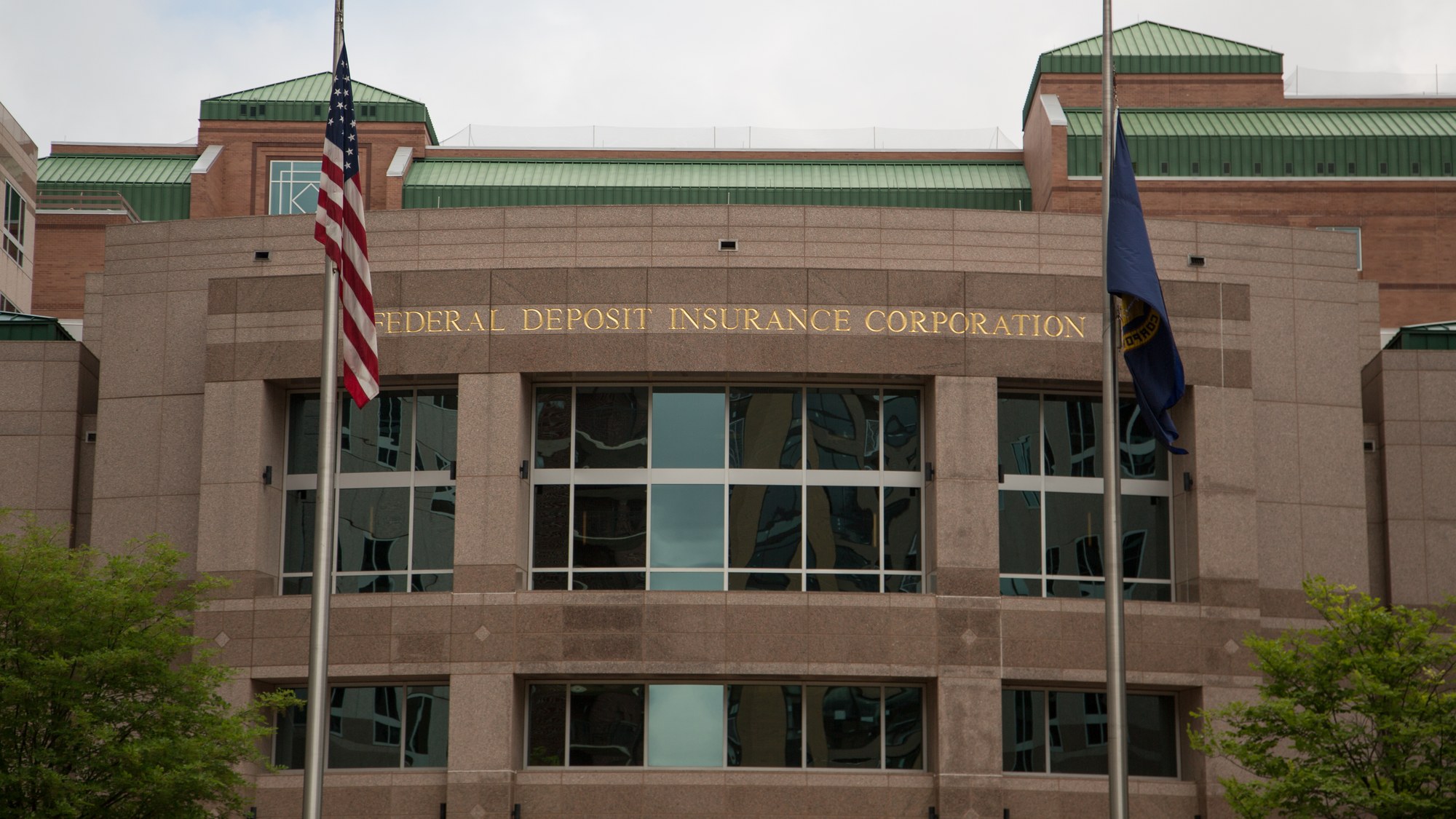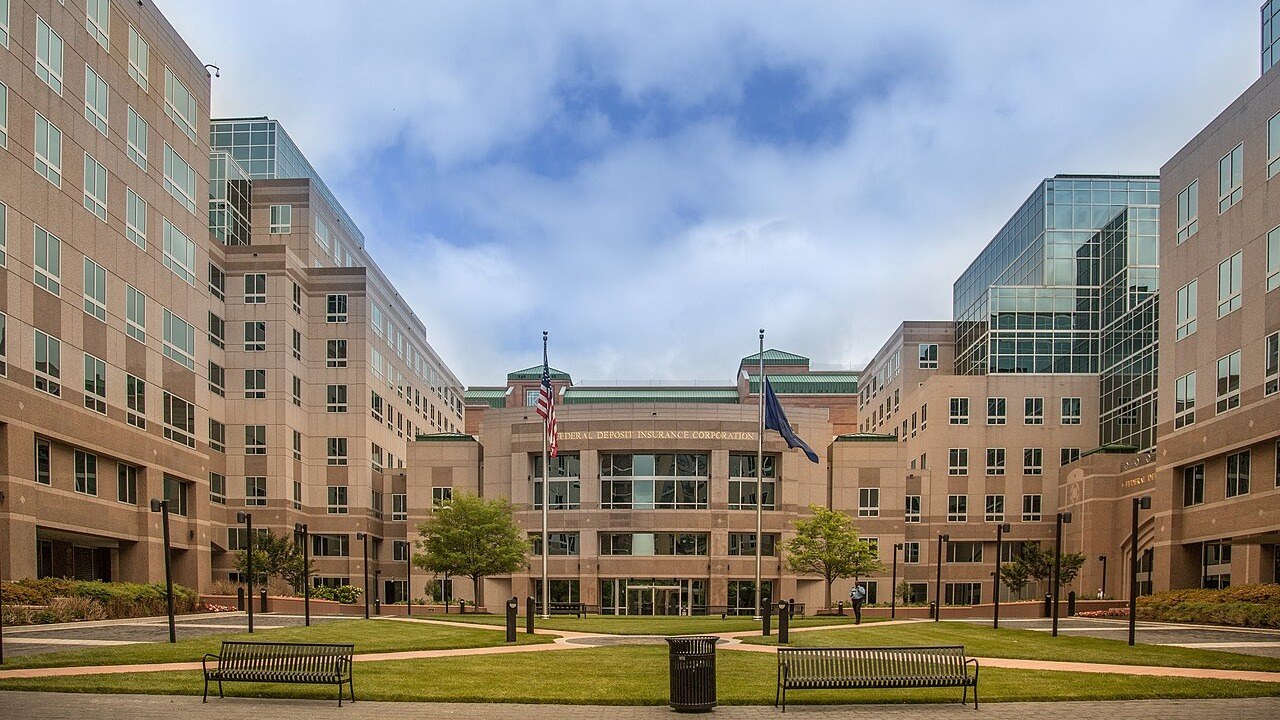
When regulators close a bank on a Friday, the practical question for customers is usually not whether their money is safe but whether they can get to it on Monday morning. For Tioga-Franklin Savings Bank customers in Philadelphia, the answer came quickly: Second Federal Savings and Loan Association of Philadelphia agreed to assume all deposits and purchase substantially all assets of the failed thrift, and the lone branch reopened under Second Federal’s name during normal business hours the very next business day. The handoff is a case study in how the Federal Deposit Insurance Corporation is designed to work when a small institution fails, prioritizing continuity of access over a longer wind-down.
How Second Federal Took Over the Branch
The Federal Deposit Insurance Corporation structured the resolution as a purchase-and-assumption transaction, under which Second Federal agreed to take on the entirety of Tioga-Franklin’s deposit book rather than the FDIC paying out insurance claims to each depositor individually.
According to the FDIC’s press release, that arrangement covered all deposits regardless of dollar amount, insured or not, at the failed bank.
Second Federal also agreed to purchase substantially all of Tioga-Franklin’s assets as part of the same deal, which is what let the FDIC hand over a functioning branch, not just a list of account balances, in time for Monday’s reopening.
Free account checkup: Social Security and VA deposits have protections from garnishment, but accounts still get frozen by mistake. Get the free protected-benefits checkup.
Free download from RetireShield. Getting it also signs you up for the free Retirement Money Brief, a weekday email. Unsubscribe anytime.
What Changed, and What Didn’t, for Existing Customers
Customers whose deposits transferred to Second Federal kept the same balances, and existing checks, debit cards and automatic payments tied to those accounts are designed to continue functioning during a purchase-and-assumption transition of this kind, with the FDIC and the assuming bank handling the operational cutover rather than requiring depositors to take action. Account holders who want to confirm details specific to their own balance or account type can review the FDIC’s published FAQ for the Tioga-Franklin closure.
Direct deposits, including Social Security and VA benefit payments routed to a Tioga-Franklin account, are also designed to continue landing in the same account number after a purchase-and-assumption transition, since the account itself carried over to Second Federal rather than being closed and reopened under a new number.
Why the Branch Reopened So Quickly
Tioga-Franklin’s sole branch closed on Friday, August 21, 2026, when the Pennsylvania Department of Banking and Securities shut the bank down, and it reopened as a Second Federal branch during normal business hours on Monday, August 24, 2026. That same-week turnaround is typical of purchase-and-assumption resolutions, where an assuming institution is lined up before the closure becomes public, letting the transition happen over a single weekend rather than an extended shutdown.
Regulators typically close a troubled bank on a Friday specifically to use the weekend for this kind of transition, so that a new sign, new paperwork and a new operating institution can be in place before the next business day’s first transaction is processed.
Why Regulators Favor This Resolution Method
A purchase-and-assumption transaction like this one is the FDIC’s most commonly used resolution method precisely because it minimizes disruption for depositors and is typically less costly to the Deposit Insurance Fund than liquidating a failed bank and paying insurance claims directly. Tioga-Franklin’s failure is expected to cost the fund roughly $5.5 million, an estimate the FDIC says could shift as remaining assets are sold.
Existing loan customers, not just depositors, are generally carried over under a purchase-and-assumption deal as well, continuing to make payments under their original loan terms to the assuming institution unless they are separately notified of a change, which is part of why this resolution method causes less disruption than a straight liquidation.
What the Continuity Actually Proves
The speed of the reopening, not just the insurance coverage behind it, is the detail that matters for depositors: full account access returned within one business day, under a new name but with the same underlying protections that applied at Tioga-Franklin. Customers who want to verify Second Federal’s own FDIC-insured status directly can do so through the FDIC’s BankFind tool, the same public database that lists every insured institution in the country.
Confirming a New Bank Honors an Old Account
The same account records that moved from Tioga-Franklin to Second Federal over that single weekend are the ones a debt collector, a garnishment order or a frozen-account dispute will ask for later, and a bank takeover is exactly the kind of moment those records get tested.
The Bank Account & Debt Protection Kit is a 10-page kit covering the debt-validation steps and the frozen-account response.
Review the frozen-account response in The Bank Account & Debt Protection Kit.
This article was reported and written with assistance from AI tools and reviewed by The Financial Wire editorial team.