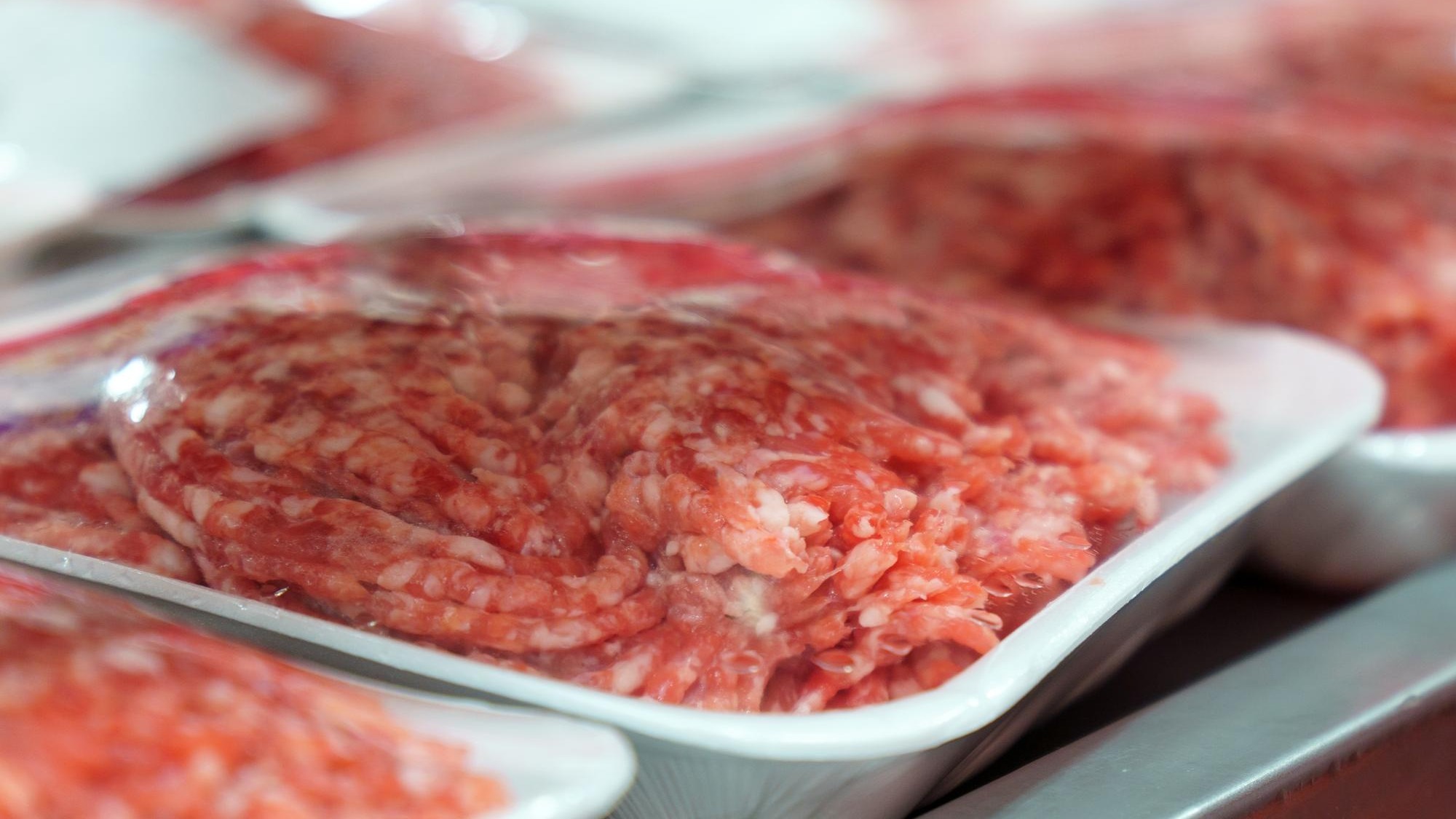
American grocery shoppers are paying roughly 13 percent more for a pound of ground beef than they did a year ago, according to the Bureau of Labor Statistics consumer price index data. The price increase traces directly to a U.S. cattle herd that has not recovered from years of drought-driven contraction. With the USDA counting just 86.2 million total cattle and calves and only 27.6 million beef cows as of January 2026, the supply squeeze shows few signs of easing before ranchers can rebuild breeding stock and calves reach market weight.
Grocery bills climb as the beef cow count stays near record lows
The 13 percent year-over-year jump in the CPI item for uncooked ground beef reflects a supply problem that started years ago and has compounded through each calving season. The BLS tracks the retail cost of all uncooked ground beef under item code FC1101, which is listed among its published average price measures for consumer goods. That code feeds into a public data series that shows the national price-per-pound trend. Recent readings place the average somewhere in the range of $6 to $7 per pound, according to the Federal Reserve Bank of St. Louis ground beef series that mirrors BLS data.
The price pressure is not a temporary spike driven by a single weather event or supply-chain bottleneck. It is structural. The USDA National Agricultural Statistics Service reported in its January 2026 Cattle report that the national beef cow inventory stood at 27.6 million head, with the calf crop and cattle on feed both declining. Total cattle and calves came in at 86.2 million, according to the NASS newsroom release. Those figures sit near the lowest levels recorded in decades, and they directly limit how much beef can flow through feedlots and packing plants in the months ahead.
For consumers, that herd math shows up most clearly in the meat case. Ground beef is a staple in everything from burgers to tacos, and unlike premium steaks, it is bought routinely by households across income levels. When the benchmark price-per-pound rises by double digits in a year, it reshapes weekly grocery lists and pushes some shoppers toward cheaper proteins or smaller package sizes.
USDA inventory data and BLS price series tell the same story
Two separate federal data streams confirm the connection between herd size and retail cost. On the demand side, the BLS publishes a 12-month percent change for the CPI item “Uncooked ground beef,” and that figure stands at 13 percent, according to the latest CPI news release. On the supply side, the USDA NASS January 2026 report documented declines in both the calf crop and the number of cattle on feed, meaning fewer animals are entering the production pipeline to replace those already processed.
The statistical backbone behind these price tags is extensive. The BLS collects transaction data from a sample of stores and uses it to calculate average prices for specific items, as outlined in its broader average price publications. For uncooked ground beef, each monthly observation reflects what shoppers actually pay at supermarkets, big-box retailers, and other outlets in urban areas, rather than posted list prices or futures market quotes.
The lag between breeding decisions and retail supply is long. A rancher who retains heifers for breeding today will not see calves from those animals reach slaughter weight for roughly two years. Drought conditions over recent growing seasons forced many producers to sell breeding stock rather than pay for expensive feed, and that liquidation reduced the foundation herd. Rebuilding takes time even under ideal pasture conditions, and each year of delayed expansion extends the period of tight supply at the retail counter.
Open questions about drought, exports, and the path to $6.50 ground beef
Several factors could push prices higher or hold them where they are. Weather is the most immediate wild card. If pastures in major cattle states remain dry, ranchers may be unable to retain enough heifers to expand herds, prolonging the current scarcity of beef cows. Conversely, a stretch of favorable rainfall could encourage gradual rebuilding, though any relief for shoppers would arrive only after the resulting calves move through feedlots and into slaughter channels.
International trade also matters. Strong export demand can tighten domestic supplies even when production is flat, while weaker overseas buying can leave more beef on the U.S. market. With herd numbers already low, any pickup in foreign interest for U.S. beef could amplify the strain on domestic prices, nudging the average pound of ground beef closer to $6.50 or beyond.
Packers and retailers face their own balancing act. Processors must secure enough cattle to keep plants running efficiently, even as high livestock prices squeeze margins. Supermarkets, meanwhile, decide how much of their higher wholesale costs to pass through to shoppers and how much to absorb or offset with promotions. Some may feature alternative proteins, such as pork or poultry, more aggressively if beef becomes too expensive to anchor weekly ads.
For now, the data point in one direction: a historically small cattle herd and a double-digit annual increase in the price of a basic grocery staple. Until ranchers can rebuild herds and weather cooperates, American consumers are likely to keep seeing elevated price tags on ground beef, and family recipes that once relied on generous portions of meat may continue to be quietly scaled back.