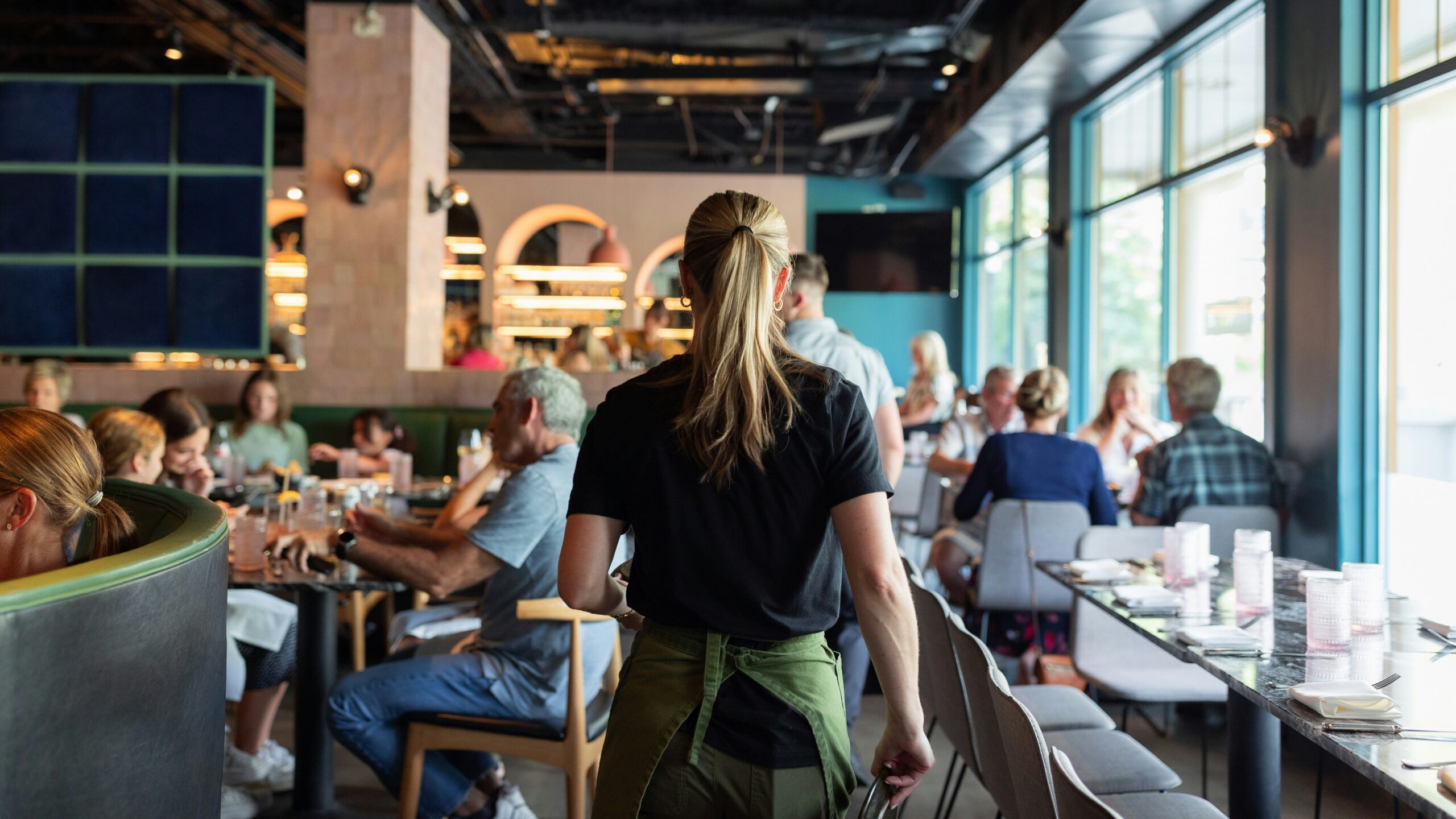
American restaurants and bars lost tens of thousands of workers last month, dragging the broader labor market to its weakest monthly gain in more than a year. Total nonfarm payrolls grew by just 57,000 in June 2026, well below forecasts, while the leisure and hospitality sector alone shed 61,000 jobs. The unemployment rate held at 4.2 percent, but the lopsided drag from a single industry is raising pointed questions about whether summer hiring patterns have shifted in lasting ways.
Why 61,000 lost leisure jobs change the summer hiring picture
The June employment report, released by the Bureau of Labor Statistics, described the leisure and hospitality decline as reflecting “weaker than usual seasonal hiring.” That phrase matters because it signals the drop was not simply a calendar quirk. Seasonal adjustment is designed to strip out predictable summer staffing swings; when the adjusted number still falls by 61,000, it means hiring ran well below what the economy normally produces at this point in the year.
The Republican staff of the Joint Economic Committee flagged leisure and hospitality as the worst-performing sector in June, with no other industry posting losses of comparable size. Restaurants and bars accounted for the bulk of the damage, according to Washington Post reporting that broke the losses down by sub-sector. Hotels and other accommodation businesses also contributed, though detailed sub-sector payroll tables have not yet been published with full month-over-month breakdowns.
For workers, the practical effect is immediate. Fewer seasonal positions at restaurants, bars, and entertainment venues mean fewer hours and thinner paychecks during what is traditionally the strongest stretch of the year for tipped and hourly employees. If the pattern holds into July and August, total income growth in the sector could weaken enough to show up in consumer spending data later in the quarter.
Seasonal adjustment, the World Cup, and what the data actually show
One complicating factor is the 2026 FIFA World Cup, which kicked off on U.S. soil in June. Some analysts expected the tournament to lift hospitality hiring in host cities. Instead, the national numbers moved in the opposite direction. The Guardian tied the payroll surprise partly to seasonal hiring dynamics and the World Cup, but no primary data source has yet confirmed a direct link between the tournament and the 61,000-job decline. It is possible that World Cup spending concentrated in a handful of metro areas while broader restaurant demand softened elsewhere, but that breakdown will not be visible until metro-level data arrive later this summer.
The underlying employment series confirm the month-over-month decline in raw payroll levels for the sector. The BLS technical note for June cautions that regular seasonal patterns can obscure underlying changes, meaning the true trend may be somewhat better or worse than the headline figure once revisions post in coming months. Vintage revision history for the June leisure series is not yet available, so the final size of the decline could shift.
Industry detail tables, including the establishment payroll breakdown for food services and drinking places, will be critical for understanding where the pullback is concentrated. If losses are clustered in full-service restaurants while limited-service and fast-casual chains hold steady, that would point to a shift in consumer preferences rather than an across-the-board collapse in dining out. Conversely, broad weakness across bars, sit-down restaurants, and catering would suggest a more generalized slowdown in discretionary spending.
What workers and businesses should watch through year-end
The question now is whether June marks a one-month stumble or the start of a more durable cooling in hospitality hiring. Historically, leisure and hospitality has been one of the first sectors to respond when households feel less confident about their finances. When customers pull back on travel, concerts, and restaurant meals, managers respond by trimming shifts and delaying seasonal additions.
For workers, the next few months will be a test of how quickly conditions normalize. If July and August payrolls show a rebound in restaurant and bar hiring, June may look more like a statistical outlier tied to timing quirks, unusual weather, or localized disruptions around major events. But if losses persist or hiring merely flattens out, employees could face stiffer competition for open roles and more pressure to accept fewer hours or less favorable schedules.
Businesses, meanwhile, are navigating conflicting signals. On one hand, slower hiring can reflect caution about future demand and higher labor costs. On the other, employers that cut too aggressively risk being short-staffed if tourism or local events surprise to the upside later in the summer. Many operators are also balancing wage pressures, higher input costs, and changing customer habits, such as continued strength in takeout and delivery relative to pre-pandemic norms.
Looking toward the fall and holiday season, several indicators will help clarify the trajectory. Weekly data on credit and debit card spending at restaurants can reveal whether consumers are trading down, dining out less often, or shifting toward lower-cost venues. Job postings in hospitality, as tracked by online platforms, will show whether employers are still trying to hire but struggling to find workers, or simply scaling back their staffing plans.
Ultimately, the 61,000-job decline in June is less about a single month’s numbers and more about what it signals for a sector that has been central to the post-pandemic recovery. If leisure and hospitality can quickly regain its footing, overall job growth may reaccelerate. If not, the broader labor market could face a longer stretch of subdued gains just as other interest-rate-sensitive industries are also slowing, leaving both workers and businesses with a more challenging landscape through the end of 2026.


