The pitch sounds like the opposite of a gamble. A salesperson offers a “promissory note,” describes it as a simple loan to a solid company, and promises a fixed, above-market return with the principal fully protected. For retirees who want steady income and cannot stomach a market drop, that combination of high yield and no risk is exactly the bait, and securities regulators say it recurs again and again in fraud cases aimed at older savers.
Why a “guaranteed” fixed return is the tell
Legitimate promissory notes exist, but they are rarely sold in bulk to ordinary individual investors with double-digit yields attached. When one is marketed door-to-door, at a seminar, or over the phone with words like “guaranteed,” “insured,” or “risk free,” the very features meant to reassure are the warning signs.
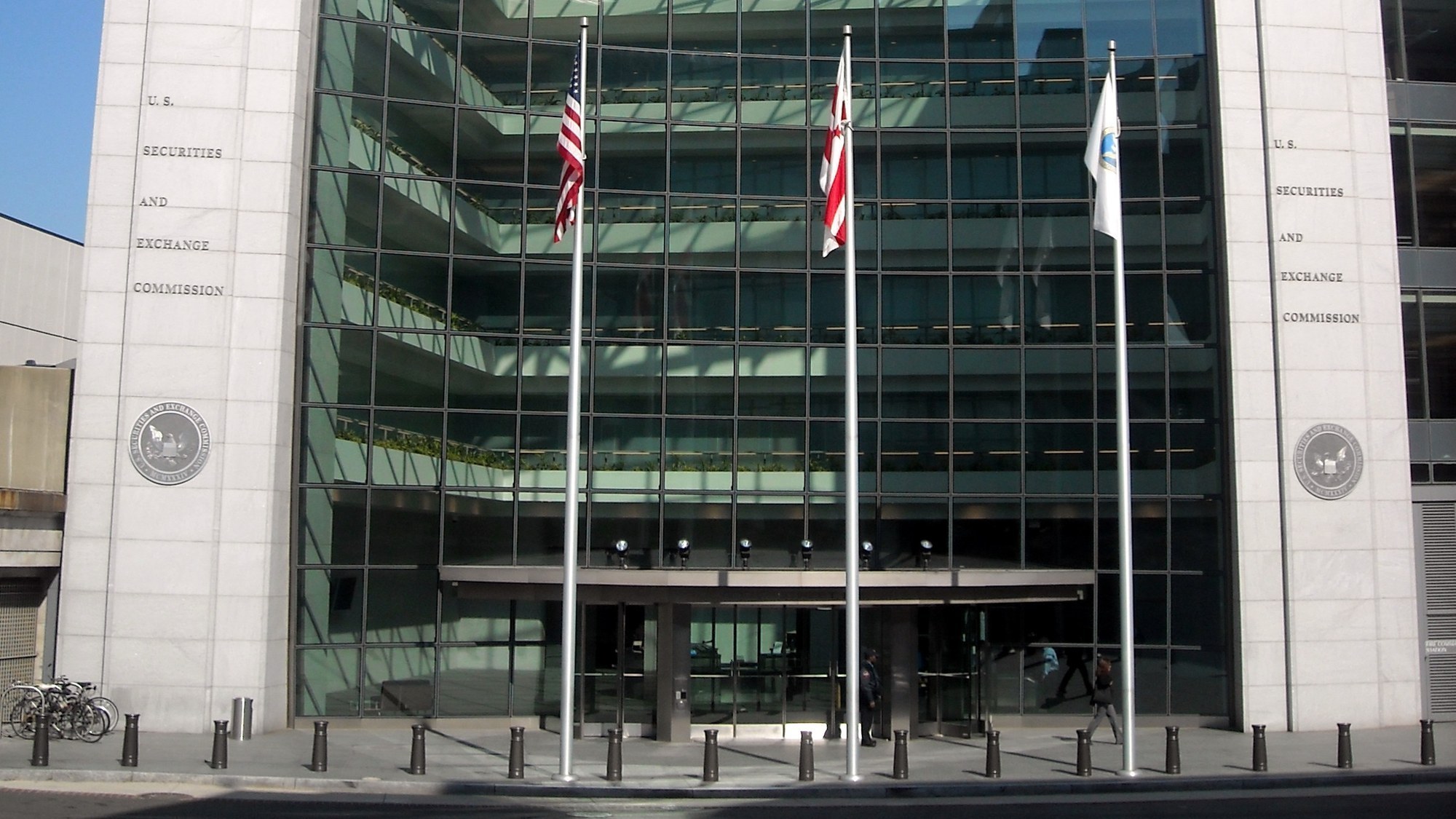
The Securities and Exchange Commission’s investor education arm is blunt on the point: promissory notes sold broadly to individual investors are often scams, and the promise of a high return with little or no risk is a classic sign of investment fraud. A rate well above what banks pay on comparable safe products is not a bargain the seller stumbled onto; it is usually the hook.
Free retirement updates: Scam calls targeting retirees change every week. Our free Retirement Shield newsletter flags the ones going around and the one tell that stops each. Sign up free.
How the paper hides an unregistered scheme
A promissory note is, in most cases, a security. That means it generally has to be registered with the SEC or a state securities regulator, or qualify for a specific exemption, before it can be sold. Fraudsters skip that step and use the official-looking document as cover for a scheme that funnels new investors’ money to earlier ones or simply to the promoter.
Because the offering was never reviewed, there is often no audited financial statement, no real business behind the “company,” and no assets standing behind the promised payments. The SEC’s guidance notes that state and federal regulators have repeatedly joined forces against the fraudulent sale of these notes, and that the safest ones can be verified against public records rather than taken on trust.
Some of these schemes even mimic the trappings of insurance, with sellers claiming the notes are “bonded” or backed by a surety company that turns out to be fictitious or worthless. The early “interest” checks tend to arrive right on schedule, which is exactly what keeps a retiree calm and often persuades them to invest more or recommend the deal to friends. That steady payout is not proof the investment is real; in a scheme built on new money, it is the mechanism that hides the hole until the payments abruptly stop.
Verifying the note and the seller before wiring a cent
The checks that expose a phony note are quick and free. A saver can confirm whether the note and the person selling it are properly registered, compare the promised rate against current yields on Treasury bonds and insured certificates of deposit, and treat any pressure to decide today as its own red flag. Tools to look up a seller’s registration and disciplinary history sit on the SEC’s Investor.gov site.
Who is doing the selling deserves a hard look too. These notes are frequently pushed by people who are not licensed to sell securities at all, sometimes insurance agents or advisers a retiree already knows and trusts, which is what makes the pitch land. A licensed professional stands to lose that license for peddling an unregistered fraud, so a seller who cannot show current registration is a warning in itself.
The path the pitch travels is telling as well. Promissory-note frauds often spread through trusted circles, a pattern regulators call affinity fraud, moving from one member of a congregation, social club, or retirement community to the next on the strength of a friend’s word rather than any independent proof. The fact that a respected neighbor already invested is not evidence the deal is sound; in a scheme paying old investors with new money, early believers become the unwitting salespeople.
Where these notes tend to surface
These pitches rarely arrive labeled as high-risk speculation. They are frequently marketed to retirees as a safe alternative to bank certificates of deposit or annuities, promising a better yield with the same supposed security, which is precisely the comparison that makes them dangerous. The setting is often a free investment seminar, a workshop advertised over a meal, or a one-on-one meeting arranged by someone the retiree already knows. The language leans on comfort words such as “principal-protected,” “bonded,” or “government-backed,” none of which turn an unregistered note into a safe one.
The regulators’ consistent message is that a return meaningfully higher than the market pays, paired with a claim of no risk, is not an opportunity a stranger is generously sharing. It is the shape of a fraud that keeps finding retirees, and the moment to walk away is before the money moves, not after.
This article was researched and drafted with AI assistance and reviewed against the linked primary sources.
More Financial Reading
- The ideal retirement withdrawal rate so your savings actually last
- How many CDs can you park at 1 bank? FDIC rules you must know