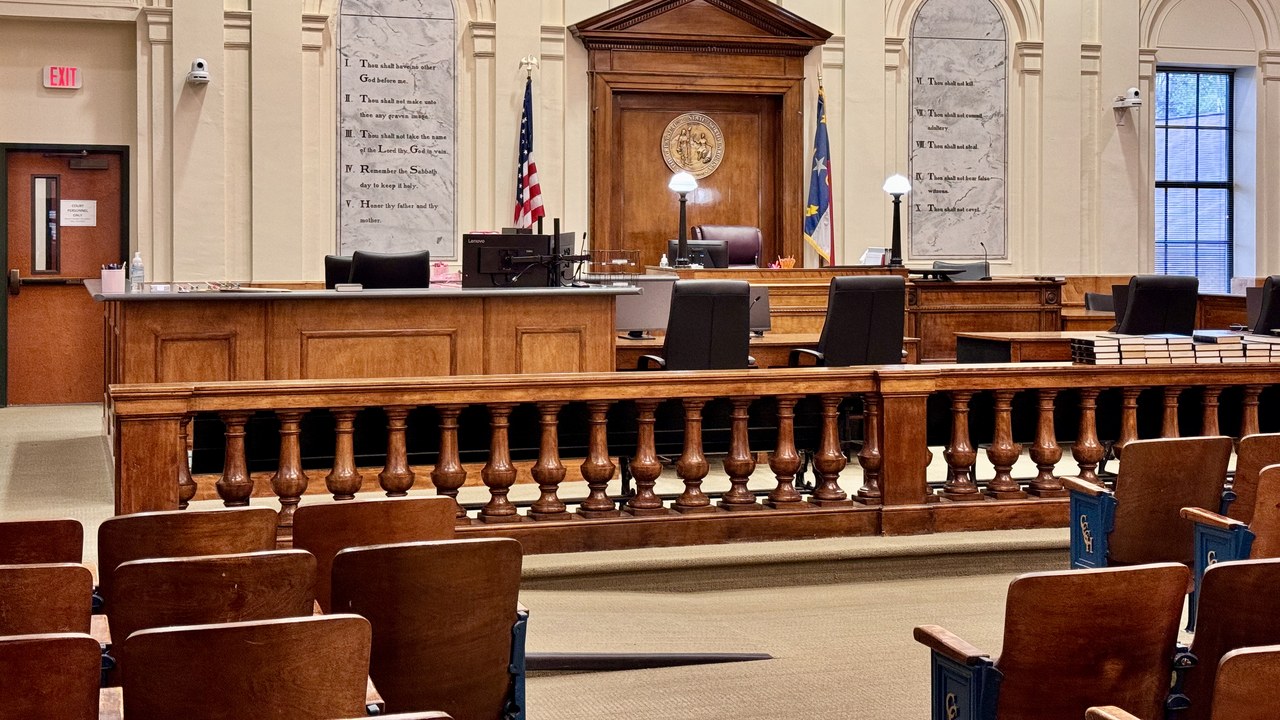
Adrian Lawrence, a Jamaican national who operated under the alias “Mastermind,” was sentenced to 66 months in federal prison for running a sweepstakes fraud scheme that stole millions from elderly victims across the United States. U.S. District Judge Joan M. Azrack imposed the sentence in Central Islip and ordered Lawrence to pay $5.4 million in restitution. The scheme targeted at least 50 victims whose average age was roughly 82, draining retirement savings through fake prize notifications that impersonated Publishers Clearing House.
Why the “Mastermind” sentence carries weight beyond one case
Lawrence’s conviction and extradition from Jamaica represent a rare instance of cross-border accountability in sweepstakes fraud. The scheme ran from October 2013 through April 2020, according to the federal sentencing announcement. During that span, callers and emails told victims they had won large cash prizes but needed to wire money or mail checks to cover fabricated taxes and processing fees. No prize ever existed.
The $5.4 million restitution order signals that federal prosecutors are pursuing financial recovery alongside prison time. Whether that combination actually discourages future operators is an open question. One testable idea: extradition paired with restitution orders of this size could correlate with fewer victim complaints to the FTC for Jamaica-linked sweepstakes schemes over the next two years. No public data yet confirms or denies that pattern, but the Lawrence case sets a measurable benchmark for enforcement advocates tracking complaint trends.
The case also underscores how international cooperation can reshape the risk calculus for fraud organizers who operate offshore and rely on distance to shield them from consequences. By showing that a foreign-based organizer can be extradited, prosecuted, and ordered to repay millions, investigators hope to signal that U.S. victims are not beyond the reach of justice even when the perpetrators are based abroad.
How the scheme worked and who built the case
The fraud followed a well-documented playbook. Lawrence and co-conspirators contacted victims by phone and email, claiming they had won sweepstakes prizes from Publishers Clearing House or similar organizations. Victims were then told to send cash, checks, or wire transfers to cover supposed taxes, insurance fees, or delivery charges. Some communications even referenced federal agencies to appear legitimate, according to the earlier indictment materials.
The victim profile made the scheme especially damaging. At least 50 people were identified, with an average age of approximately 82. Many were on fixed incomes and had limited ability to recover lost funds. The money flowed through a network of intermediaries before reaching Lawrence and his associates in Jamaica, making tracing and recovery difficult and forcing investigators to piece together transactions across multiple accounts and jurisdictions.
Federal prosecutors in the Eastern District of New York worked with law enforcement partners in Jamaica to secure Lawrence’s arrest and extradition. That cooperation was crucial, because the scheme’s organizers operated largely outside the United States while directing a network of money mules, callers, and account holders on U.S. soil. The cross-border nature of the investigation illustrates how traditional phone scams have evolved into more structured international enterprises.
On the civil enforcement side, the FTC has pursued parallel actions against sweepstakes operators. In a separate case, the agency secured permanent bans against individuals who ran a similar operation that cost consumers millions. Those stipulated final orders carry the force of law once approved by a federal judge. Together, the criminal and civil tracks show regulators and prosecutors attacking the problem from both directions, using prison terms to incapacitate organizers and court orders to keep repeat actors out of the sweepstakes business entirely.
Gaps in the record and what to watch next
Despite the detailed allegations, some aspects of the Lawrence operation remain opaque. Court filings describe a network of co-conspirators, but public documents do not fully map how many people participated, how they were recruited, or how profits were divided. It is also unclear how much of the $5.4 million in restitution can realistically be recovered, given that funds were dispersed through intermediaries and may have been spent or moved beyond the reach of authorities.
There are also unanswered questions about victim impact beyond the financial losses. Older adults targeted in prize scams often experience shame, isolation, and a loss of trust in legitimate institutions. Those harms rarely appear in dollar figures or sentencing calculations, yet they shape how communities respond when new offers and mailings arrive promising unexpected windfalls.
Consumer advocates point out that enforcement alone cannot close the door on sweepstakes fraud. Public education remains a central tool, particularly for families trying to protect older relatives. The FTC’s guidance on fake prize and lottery schemes urges people to treat any demand for upfront payment as a red flag, to verify prize claims directly with known companies, and to report suspicious contacts quickly.
The Lawrence sentence, then, is both an end point and a starting line. It concludes one long-running investigation while offering a reference case for future cross-border prosecutions. At the same time, it highlights the need for better data on complaint trends, stronger information-sharing between agencies, and sustained outreach to the older adults most at risk. Whether the “Mastermind” case becomes a turning point or just another entry in the docket will depend on how aggressively those lessons are applied in the next wave of enforcement and prevention efforts.
Free for readers: The free Retirement Shield newsletter sends plain-English help keeping more of your money in retirement — the scams to dodge, the benefits you’re owed, and what’s changing with Social Security and Medicare, a couple times a week. Get the free newsletter.