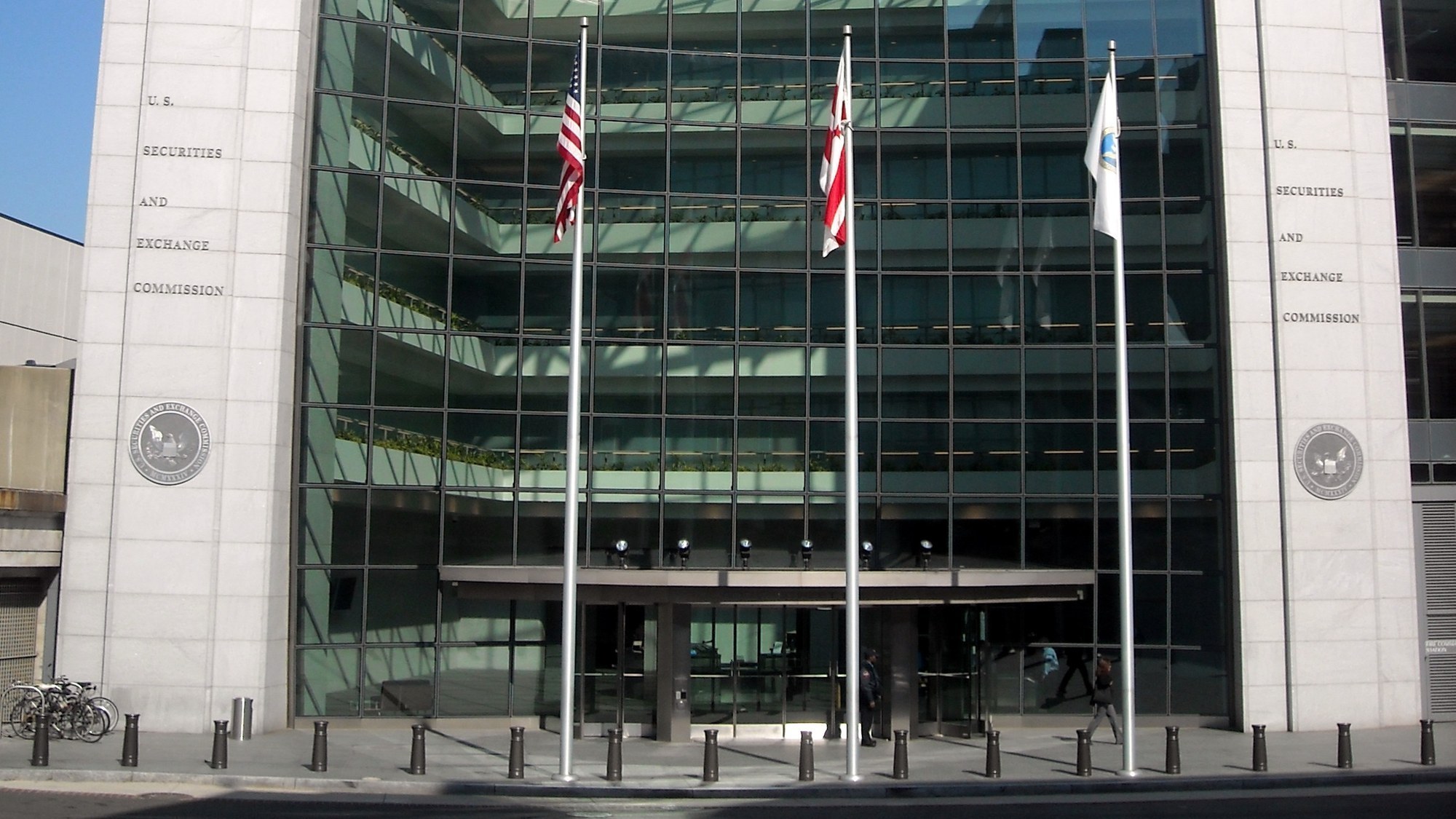
A self-directed IRA sounds like an ordinary retirement account with more freedom, and for a disciplined investor it can be. But the word “custodian” on the statement does something dangerous inside a retiree’s mind: it implies that a financial institution has looked at the investment and judged it sound. It has not. That gap between what a custodian actually does and what an account holder assumes it does is the exact opening fraudsters use to sell retirees deals that turn out to be worthless.
What a Self-Directed IRA Custodian Actually Does
The distinction is spelled out plainly by regulators. In their joint alert on the subject, the SEC’s Office of Investor Education and Advocacy and its partners explain that a self-directed IRA is simply an IRA whose custodian permits a broader menu of holdings, including alternative assets such as real estate, precious metals, private placements, promissory notes and tax-lien certificates. Crucially, the regulators state that these custodians do not evaluate the quality or legitimacy of any investment or its promoter, do not sell investment products or give advice, and do not verify the accuracy of the financial information provided. The custodial agreement itself typically says the custodian bears no responsibility for how an investment performs.
In practice, the custodian is a recordkeeper. It holds the asset in the account’s name, processes paperwork, and reports to the account holder. It is not a gatekeeper, an auditor, or a fiduciary vetting the underlying deal. A promissory note from a fictitious company and a genuine parcel of real estate can sit on the same statement, formatted identically, with nothing about the document indicating which is which.
Free retirement updates: Want plain-English help keeping more of your money in retirement? The free Retirement Shield newsletter covers scams, benefits, and money many retirees may be owed, a couple times a week. Subscribe free.
How Fraud Promoters Exploit the Confusion
Scammers understand that the assumption does the selling for them. Regulators warn that fraud promoters often suggest, or flatly claim, that a self-directed IRA custodian has performed due diligence to confirm an investment is real. FINRA’s version of the alert makes the same point, cautioning that the limited oversight of self-directed IRA custodians can be misrepresented by fraudsters as a stamp of legitimacy. A pitch that leans on phrases like “IRS-approved custodian” or “held at a trust company” is trading on a truth about paperwork to imply a falsehood about safety.
These accounts are targeted for a specific reason: their tax features. Because the money is already earmarked for retirement and often sits untouched for years, a fraudster can collect funds and delay discovery for a long time, using fresh statements and small “distributions” to keep the illusion alive. By the time a retiree tries to cash out, the promoter and the money may both be gone.
Verifying a Deal the Custodian Won’t Check
Since the custodian will not vet the investment, that job falls to the account holder or an independent professional. Regulators recommend confirming that a supposed asset actually exists and is titled correctly, checking whether the security and the people selling it are properly registered through public databases, and being skeptical of any alternative asset whose value cannot be independently verified. Unregistered private offerings, in particular, carry no requirement to disclose the financial information an investor would need to judge them, which is one reason they show up so often in these cases.
Two habits offer outsized protection. The first is treating “self-directed” as a literal description of who is responsible for the diligence. The second is refusing to let account-statement formatting substitute for proof, because a valuation typed onto a statement is only as reliable as the promoter who supplied it.
The Assets That Recur in These Cases
The alternative holdings a self-directed IRA can contain are also the ones hardest for an ordinary investor to price, which is part of why they surface so often in fraud cases. Promissory notes, private placements in companies that do not trade publicly, interests in real estate deals, and cryptocurrency ventures share a common feature: there is no daily market quote to check a claimed value against. A promoter can assign whatever number is convenient, and the account statement will faithfully repeat it. Regulators single out unregistered offerings because, unlike public securities, they carry no obligation to file audited financials or ongoing disclosures, so an investor has little independent information with which to test the promoter’s story. The tax structure adds a second trap: pulling money out of the IRA to investigate or unwind a questionable deal can itself trigger taxes and early-withdrawal penalties, which discourages a nervous account holder from acting quickly. That combination of an asset no one can independently price, thin disclosure, and a tax penalty for backing out gives a fraudulent promoter room and time that a conventional brokerage account, with its priced securities and regulated intermediaries, would not.
Why the Structure Invites Abuse
None of this makes self-directed IRAs inherently fraudulent, and legitimate ones hold real assets every day. The risk is structural: a product that combines wide latitude to hold hard-to-value assets, a custodian barred from vouching for them, and an account holder who often believes the opposite creates a near-perfect environment for a convincing pitch. Regulators publish these alerts precisely because the fraud does not depend on a sophisticated scheme, only on a retiree assuming a check was performed that never was. Understanding that the custodian’s silence is not endorsement is the single most valuable thing an account holder can carry into the conversation.
This article was researched and drafted with AI assistance and reviewed against the linked primary sources.
More Financial Reading
- What really happens to your joint savings account when you die?
- Bank statements: how long to keep them and when to toss them