Workers who land a signing bonus or win a contest prize often discover months later that the tax withheld at payout covered far less than what they actually owe. Federal law treats both categories as taxable income, and the flat 22 percent withholding rate that employers and sponsors commonly apply can leave recipients with a surprise balance due at filing time, especially when the payment pushes them into a higher marginal bracket.
How the 22 percent flat rate creates a tax shortfall
The gap between what gets withheld and what a taxpayer owes comes down to a mismatch built into the system. Under IRS Publication 15, employers can withhold a flat 22 percent on supplemental wages such as signing bonuses, commissions, and severance payments. That rate is simple to administer, but it does not account for the recipient’s total income. A software engineer earning $140,000 in base salary who receives a $60,000 signing bonus, for instance, has combined income that falls well into the 24 percent federal bracket and potentially touches the 32 percent bracket. The 22 percent withheld on that bonus leaves a gap that grows wider as total supplemental income climbs. For supplemental wages above $1 million, the mandatory flat withholding rate jumps to 37 percent, according to the same IRS guidance. Below that threshold, the 22 percent rate applies by default when the employer uses the flat method rather than the aggregate method, which blends the bonus into regular pay for withholding purposes.
The hypothesis that recipients whose total supplemental income exceeds $50,000 in a single tax year face higher rates of balance-due returns under the flat method is consistent with how the math works. No publicly available IRS dataset isolates under-withholding rates specifically for supplemental wages at that income level. But the arithmetic is straightforward: any taxpayer whose effective federal rate exceeds 22 percent will be under-withheld on every bonus dollar processed at the flat rate. The aggregate method, by contrast, treats the bonus as if it were part of a regular paycheck, pulling withholding closer to the actual marginal rate.
Prizes, awards, and the reporting trail that follows them
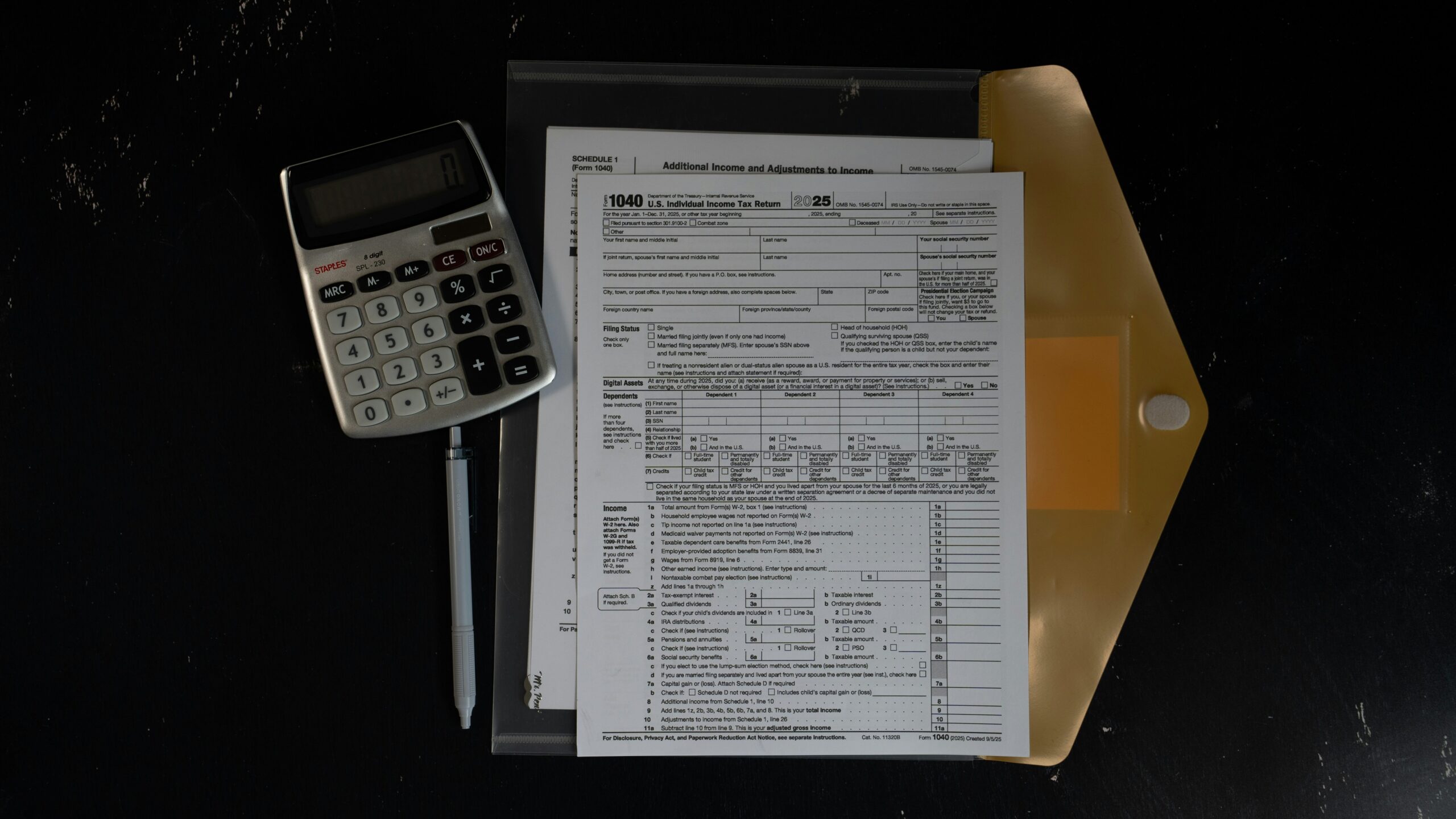
Signing bonuses are not the only one-time payments caught in this withholding gap. Section 74 of the Internal Revenue Code establishes that prizes and awards are included in gross income, with narrow exceptions for certain charitable and employee-achievement awards. That statutory rule applies whether the prize is cash, a car, or a vacation package. IRS Publication 525 confirms that the fair market value of non-cash prizes counts as taxable income. Contest sponsors and employers report these amounts on Form 1099-MISC in box 3, and recipients must include them on Schedule 1 of Form 1040 under “Prizes and awards,” according to IRS guidance on 1099-MISC reporting.
Gambling winnings follow a parallel path. Casinos and other payers may issue Form W-2G and withhold federal income tax at a flat rate on certain payouts, but the underlying rule is the same: all gambling winnings are taxable, and the actual liability depends on the taxpayer’s total income for the year. When withholding is calculated only on the isolated payout and not on the broader income picture, high earners can again find themselves under-withheld.
Non-cash prizes add another wrinkle. A winner who receives a car worth $40,000 from a sweepstakes must report that value as income even if no cash changes hands. Sponsors sometimes offer to “gross up” the prize with additional cash to help cover the tax bill, but that cash itself is taxable, and the combined amount may still be subject to under-withholding if the sponsor applies a flat percentage that is below the winner’s marginal rate. The same logic applies to travel packages, electronics, and other merchandise awarded in consumer promotions or workplace contests.
Information returns and the IRS paper trail
For recipients, the paper trail starts with information returns. Contest sponsors and employers that issue prizes or bonuses generally must file Form 1099-MISC or Form W-2, depending on the relationship with the recipient. These forms are sent both to the taxpayer and to the IRS, creating a matching record that makes it difficult to omit the income without triggering a notice. Separate reporting rules apply to certain health-related coverage and benefits, detailed in the instructions for Form 1099-MEC, underscoring how many different one-off payments now flow through standardized IRS reporting channels.
The presence of an information return does not, by itself, guarantee correct withholding. Many prizes, particularly non-cash awards, are reported without any federal tax withheld at all, leaving the entire liability to be settled at filing time. Even when payers do withhold, they frequently default to a single flat rate that may be too low for higher-income recipients. The result is that taxpayers who stack bonuses, prizes, and other supplemental income on top of already substantial wages are disproportionately likely to see a balance due, sometimes large enough to trigger underpayment penalties.
Planning around one-time income
Tax professionals often urge clients who expect large bonuses or prize winnings to adjust their Form W-4 elections or make estimated tax payments in the same quarter the money arrives. That approach can narrow the gap between the 22 percent flat withholding and the taxpayer’s actual marginal rate, reducing the risk of an unexpected bill. For non-cash prizes, some advisers even suggest declining or liquidating the award if the recipient cannot comfortably cover the tax on its fair market value.
Ultimately, the rules governing signing bonuses, prizes, and other windfalls are straightforward: they are taxable, they are reported to the IRS, and the default withholding mechanisms are not tailored to individual circumstances. Understanding that disconnect-and planning for it before the money arrives-can help recipients avoid turning a celebratory payout into a costly surprise at tax time.