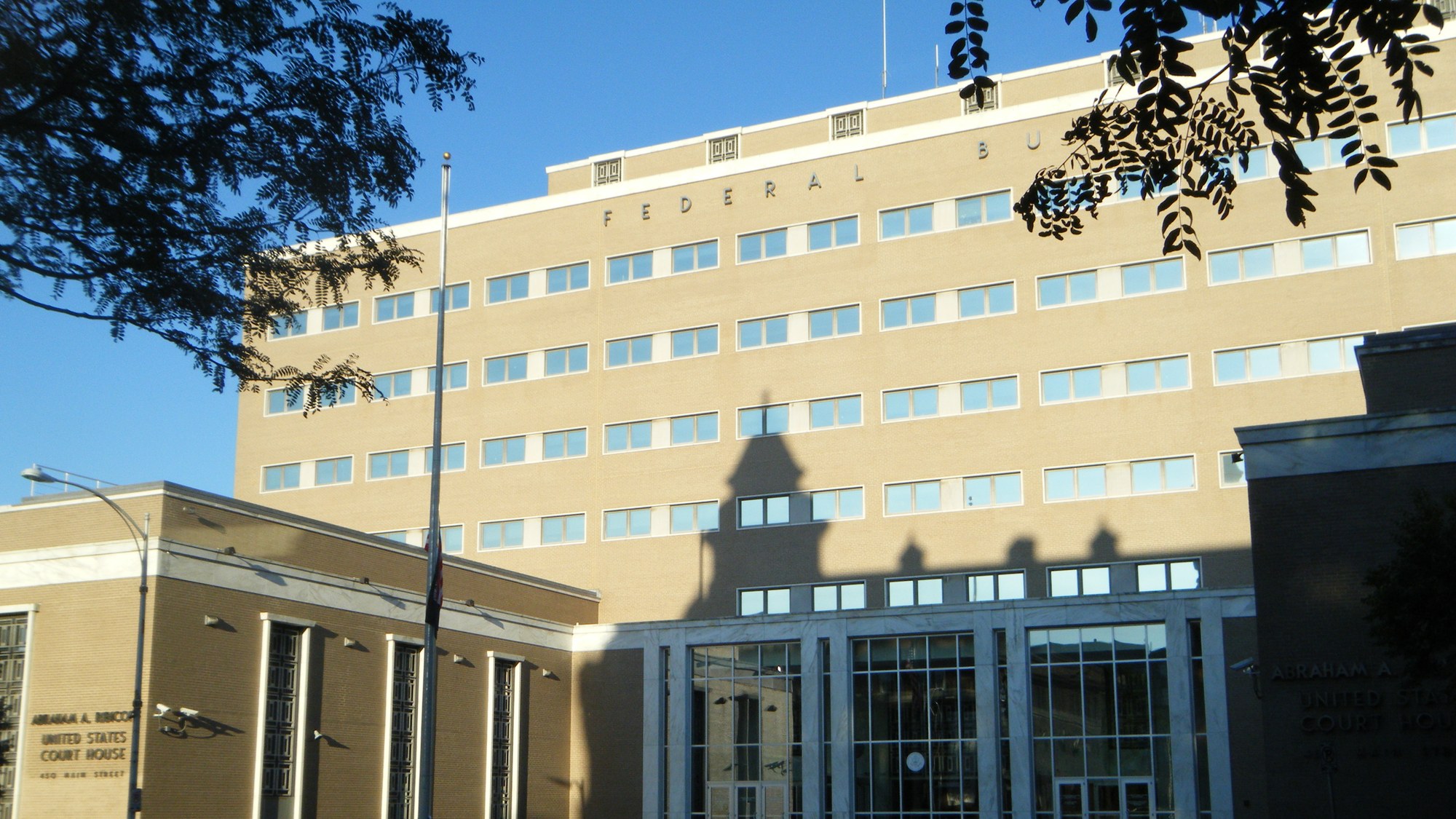
A client who owed the IRS more than $20,000 was quoted $700 to have a return prepared, then charged $5,000 after the preparer obtained a $22,000 refund for her. That is one of the episodes prosecutors described when a federal judge in St. Louis sentenced Latasha L. Frison on Sept. 30 to 56 months in prison. The court also ordered her to repay $270,793, according to the IRS Criminal Investigation announcement.
Frison ran a tax preparation business in downtown St. Louis under several names, including Taxed Rite. A jury convicted her on 16 counts of aiding and assisting in the preparation and presentation of false and fraudulent tax returns after a trial that ended July 1. The question for taxpayers who hire paid preparers is a practical one: the person who signs the return can bring an audit down on the client, and the investigation found that false numbers appeared on dozens of returns that clients had trusted her to prepare.
The sentence was handed down Sept. 30, and the 16 counts cover returns for tax years 2020 through 2023, so the next filing season is the first for clients of preparers like this one.
Get the deadline alerts before they pass →
What the 16 convictions covered
The 16 counts involved returns for six taxpayers covering tax years 2020 through 2023. Investigators found eight more returns with similar falsehoods during the criminal case, and the IRS civilly audited another 37 returns and found false information in those as well. Prosecutors said statistical oddities in the business expenses and tax credits on her returns went back to late 2017, when she opened the business.
U.S. District Judge Joshua M. Divine imposed the sentence. Assistant U.S. Attorney Jonathan Clow wrote the sentencing memo. The U.S. Attorney’s Office for the Eastern District of Missouri published its own release the same day, confirming the 56 months and the $270,793 repayment order. The IRS release says the falsified returns generated hundreds of thousands of dollars in refunds that the taxpayers were not entitled to.
The 40,000-gallon fuel claim
The detail that stood out in the case was fuel. Prosecutors said Frison “fabricated ludicrous amounts of creditable gas purchases by her clients,” including a return that claimed a full-time liquor store cashier bought 40,000 gallons of fuel in a single year. The release gives the occupation and the gallons together, and the mismatch is the point: a liquor store cashier is not a business buying fuel by the tanker load.
She also invented businesses, according to the release, and claimed tens of thousands of dollars in fake expenses on Schedule C, the form sole proprietors use to report business income. In another scheme, she exploited a COVID-19 tax credit that the government had designed to provide relief. Each method pushed refunds up, and refunds were what her fees followed.
Fees, casinos and a lie under oath
Prosecutors said Frison collected at least $240,000 in fees over four years. She spent more than $145,000 at casinos in the St. Louis area. The release adds that she lied under oath at trial when she blamed clients for supplying the false information. The jury convicted her on all 16 counts.
The cost did not stop with her. The IRS says the tax loss and the resulting problems for her clients “demands accountability.” The 37 civil audits are the part of the story that landed on clients rather than on Frison, since each audited return had the preparer’s false information on it and the taxpayer’s name above the signature line.
Special Agent in Charge William Steenson of IRS Criminal Investigation’s Kansas City Field Office said that “stopping fraud against taxpayer funds and keeping the tax system fair are top priorities” for the agency, and that “taxpayers now have justice.” Frison lived in Cahokia, Ill., at the time of the crimes and now lives in Texas, the release says.
Checking a preparer before the next filing season
The IRS tells taxpayers that anyone can be a paid tax return preparer as long as the person holds a Preparer Tax Identification Number, and that preparers have “differing levels of skills, education and expertise.” Its page on choosing a tax professional, last updated Aug. 21, 2026, points taxpayers to the IRS Directory of Federal Tax Return Preparers to find preparers who hold credentials the agency recognizes. The Volunteer Income Tax Assistance program offers free basic return preparation to qualifying taxpayers.
Anyone who has been financially harmed by a preparer’s misconduct can file a complaint with the IRS, which counts preparer fraud among the common tax scams. Before signing, it helps to read the figures on the return itself. A credit or deduction that does not match a person’s job, such as a fuel credit for someone who does not run a business, is the kind of entry that drew investigators here.
The fee history shows how the pricing worked. A $700 quote that became a $5,000 charge is a bill more than seven times the original, and the release ties the bigger bill to the $22,000 refund she obtained for a client who had owed the IRS more than $20,000.
The enforcement record in this case is the IRS Criminal Investigation release, which lists the 16 counts, the 56-month sentence and the $270,793 repayment order.
More Financial Reading
- 24 Ways to Stretch a $2,087 Social Security Check
- 17 Places to Find Your Share of the $4.25 Billion States Give Back
- 16 Steps to Stop the Scams That Took $7.7 Billion From Seniors
This article was produced with AI assistance and reviewed by The Financial Wire’s editorial team.