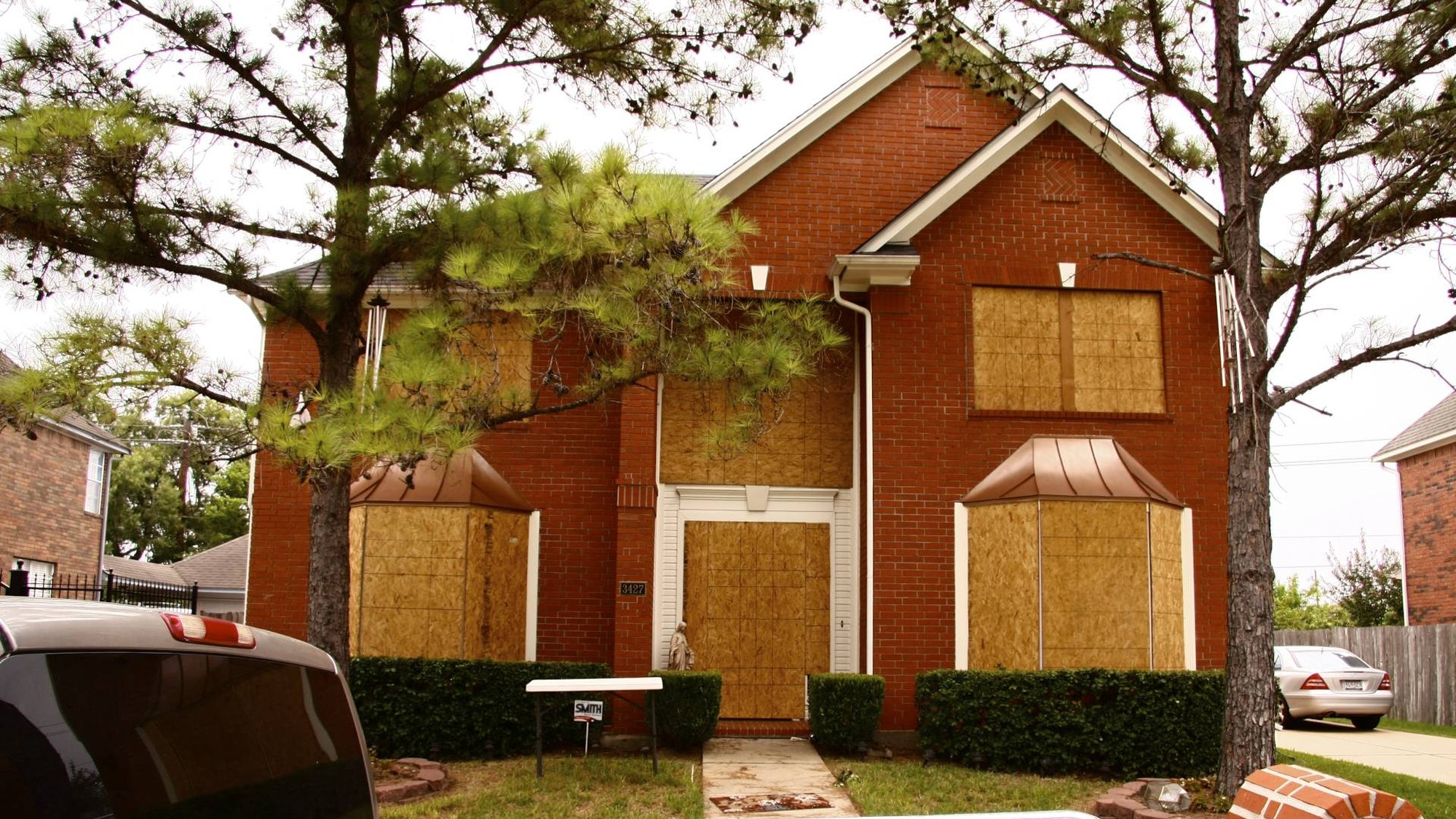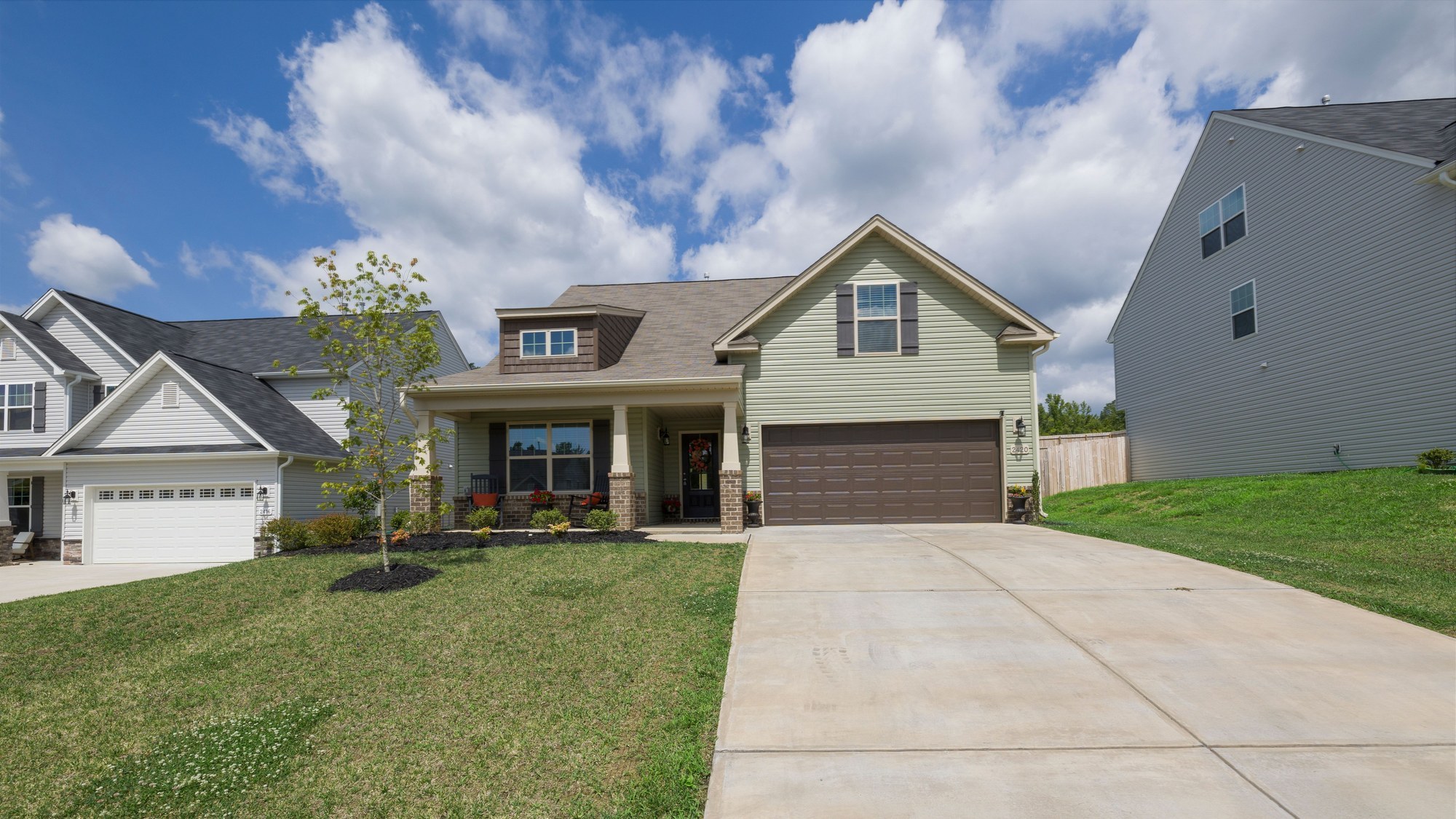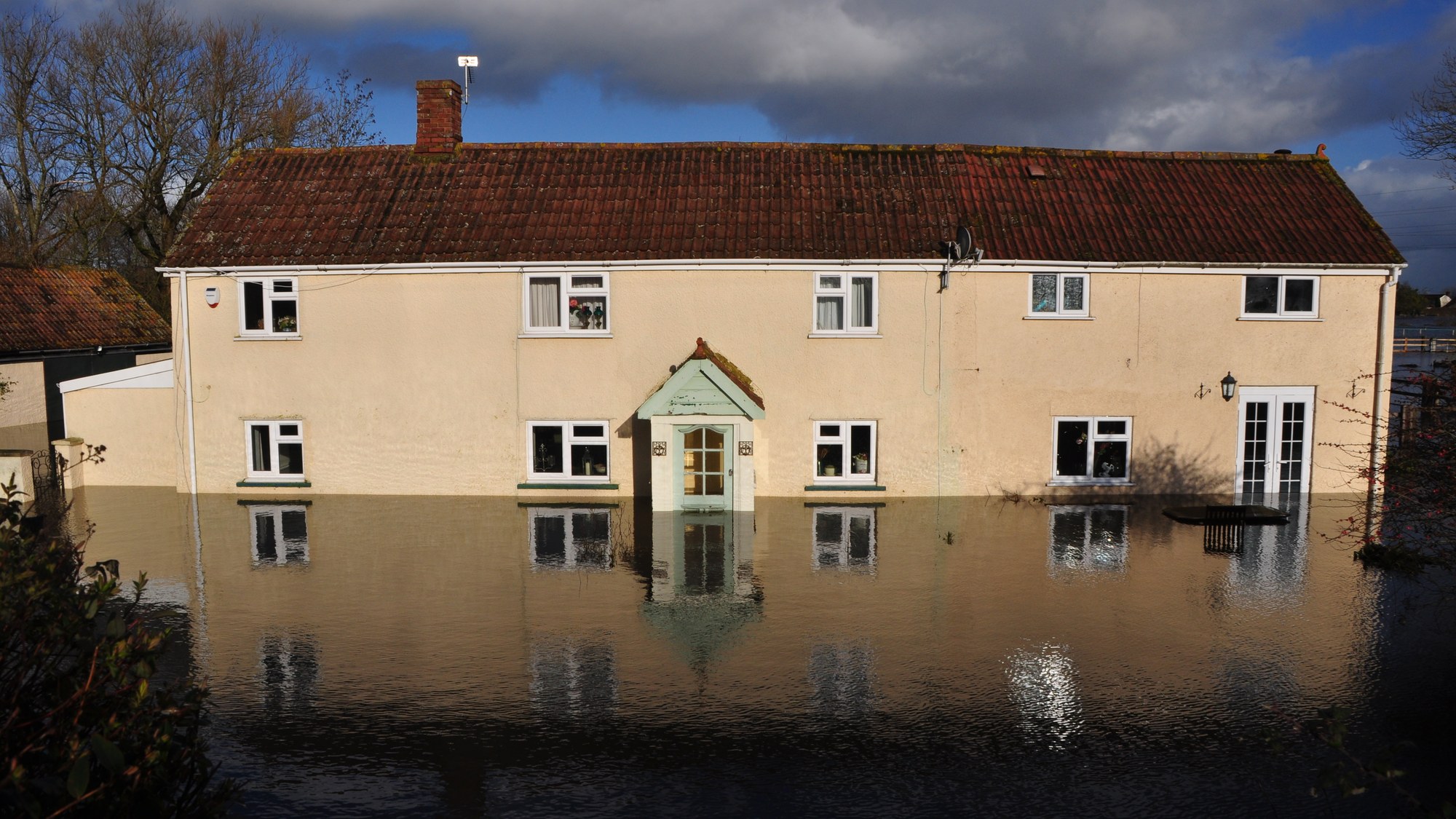
Homeowners who have paid premiums faithfully for decades often assume their policy stands behind them for any disaster. Flood is the great exception. A standard homeowners policy does not pay for damage from rising water, and the gap tends to surface at the worst possible moment — after a storm surge or an overflowing creek has ruined a first floor. For retirees whose paid-off house is the largest thing they own, learning this after the water recedes can mean tens of thousands of dollars in repairs with no insurance behind them.
Why the Homeowners Policy Leaves Flood Out
The exclusion is deliberate, not an oversight. Standard homeowners insurance covers many kinds of water damage — a burst pipe, a wind-driven rain leak through a damaged roof — but it draws a hard line at flooding, meaning water that rises from outside the home: overflowing rivers, storm surge, heavy runoff, or the failure of a levee or dam. Because that risk is concentrated and can wipe out whole neighborhoods at once, the private market historically would not cover it affordably, which is why the federal government created the National Flood Insurance Program. As FEMA states plainly on its flood-insurance overview, most homeowners policies do not cover flood damage, and a separate flood policy is the way to fill that hole.
Free retirement updates: Plain-English help on keeping more of your money in retirement — the benefits, deadlines, and money mistakes that cost retirees, a couple times a week. Subscribe free to the Retirement Shield newsletter.
Building Coverage and Contents Coverage Are Two Different Things
A flood policy is not one blanket. Through the NFIP, building coverage and contents coverage are bought separately, carry separate limits, and often carry separate deductibles. Building coverage protects the structure itself — the foundation, electrical and plumbing systems, furnace and central air, water heater, built-in appliances, and permanently installed cabinets and flooring — up to a maximum of $250,000 for a single-family home. Contents coverage protects what fills the house — furniture, clothing, electronics, and other belongings — up to a separate maximum of $100,000. A homeowner who insures only the structure and skips contents can rebuild the walls but replace none of what was inside, a common and painful surprise. Anyone buying a policy should decide on both parts deliberately rather than assume one includes the other.
The distinction matters most for a household that has spent a lifetime accumulating belongings. Contents coverage is the piece that pays to replace the ruined furniture and appliances, and leaving it off to shave the premium can leave a retiree living amid the wreckage with a check that only touches the drywall.
The 30-Day Wait That Catches People Off Guard
Flood insurance is not a thing to buy when a storm is already in the forecast. A new NFIP policy generally takes effect only after a 30-day waiting period, a rule designed to stop people from purchasing coverage the moment a hurricane appears and canceling once it passes. FloodSmart, the NFIP’s consumer arm, spells this out in its guidance on how to buy a policy, along with the narrow exceptions: coverage can take effect immediately when it is purchased in connection with closing on a mortgage, and a separate window applies when a home is newly mapped into a higher-risk flood zone. For most homeowners buying on their own, though, the practical lesson is to arrange coverage well ahead of any threat, because a policy bought this week does nothing for a flood that arrives next week.
Who Should Weigh It, Not Just Those in a Flood Zone
It is tempting to treat flood insurance as a coastal problem, but water does not respect the boundary lines on a map. A large share of flood claims come from properties outside the highest-risk zones, where owners were never required by a lender to carry coverage and assumed they were safe. Heavy rain, flash flooding, and overwhelmed storm drains can put water in a home miles from any shoreline. A homeowner can look up the flood risk for a specific address and get a quote through the NFIP or a participating insurer, and the calculation is worth running even for a house that has never taken on water, since a single event can outweigh years of premiums.
For an older owner living on a fixed income, the case rests on the size of the loss rather than its odds. The house is usually the largest asset and often the least replaceable, and a serious flood without coverage can force a choice between draining retirement savings and walking away from a damaged home. Federal disaster aid, when it comes at all, usually arrives as a loan that must be repaid rather than a grant that rebuilds, so counting on it in place of insurance is a fragile plan. It is also worth remembering that just a few inches of water can ruin flooring, drywall, and appliances, so the risk is not limited to dramatic, high-water events. A separate flood policy, bought before the sky darkens, is what keeps that choice from ever arriving.
This article was researched and drafted with the assistance of AI and reviewed by The Financial Wire editorial team.
More Financial Reading
- Adding someone to your bank account: tax traps and smart moves
- The ideal retirement withdrawal rate so your savings actually last