The message looks like a harmless mistake. A text arrives from an unknown number — “Hi David, are we still on for lunch Thursday?” or a warm “So sorry, wrong number, but you seem nice” — and it lands on the phone of someone who has no David and no lunch plans. That misfire is rarely an accident. It is the opening move in a patient, months-long fraud that has emptied the retirement savings of thousands of older Americans and pushed the money into cryptocurrency accounts that are nearly impossible to recover.
Why the friendly stranger keeps the conversation going
The person on the other end is not confused about who they reached. After the accidental-text opening, they apologize, then keep chatting — about hobbies, grandchildren, a recent trip, the weather where they claim to live. Over days and weeks they assemble what feels like a real friendship or budding romance, checking in every morning and every night. That warmth is the actual product. It lowers a target’s guard so that when money finally enters the conversation, the suggestion comes from someone who already feels like a trusted confidant. Nothing is asked for during those early weeks, and that patience is the trap: a pitch that led with an investment would be brushed off, so this one leads with companionship and waits for the target to raise the subject of money first.
Sooner or later the new friend mentions how well they have done trading digital currency, often crediting a private platform or a relative “on the inside.” The FBI describes this as confidence-enabled cryptocurrency investment fraud, widely nicknamed “pig butchering,” and calls it one of the most prevalent and damaging schemes operating today. The label is deliberately grim: the target is fattened with affection and small early wins before everything gets taken.
Free retirement updates: Scam calls targeting retirees change every week. Our free Retirement Shield newsletter flags the ones going around and the one tell that stops each. Sign up free.
The dashboard that shows gains that were never real
Once trust is set, the friend walks the target through opening an account on a slick trading site or app that looks legitimate. Early deposits appear to climb fast, and a small test withdrawal often goes through without a hitch. That first successful cash-out is the hook: it convinces the saver the platform is real and encourages a much larger transfer, sometimes a retirement account cashed out in full. The balances on the screen are fiction. No trades are happening, and the “profits” are numbers the operators type in to keep the deposits coming.
When the target tries to pull out the larger sum, the story changes. The platform suddenly demands a “tax,” a “fee,” or a minimum balance before any funds can be released — more money chasing money that is already gone. A legitimate brokerage does not require an additional payment to give an investor access to their own account. Each new demand is timed to the victim’s rising panic; the higher the fake balance climbs, the more it feels as though one last payment will finally unlock it, and the deeper the real, unrecoverable losses run.
Why the money rarely comes home
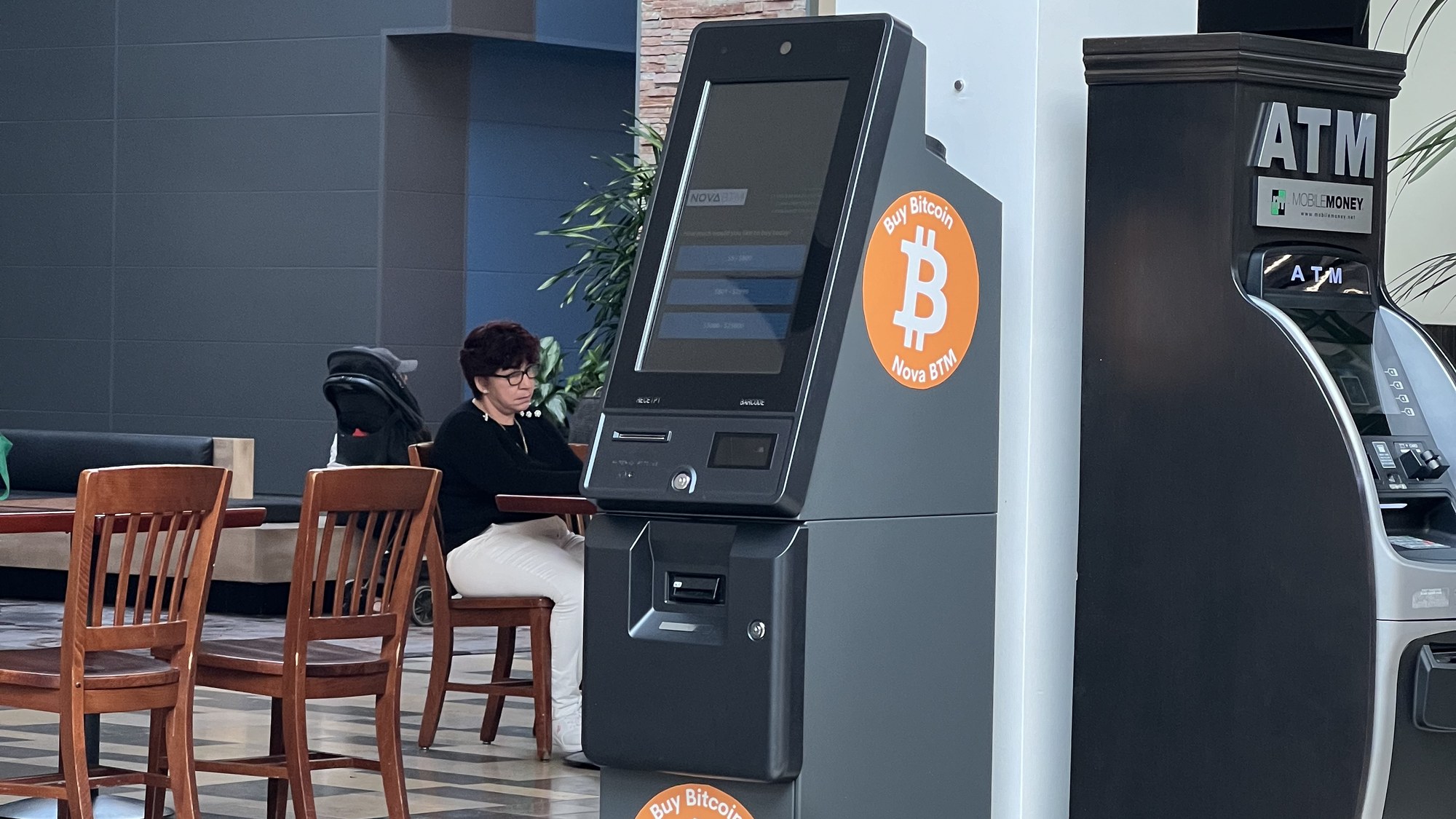
Cryptocurrency is the tool of choice precisely because it moves fast and does not reverse. Once a transfer clears, there is no bank to call and no charge to dispute, and the operators are typically overseas, running these schemes from organized fraud compounds far outside the reach of a quick clawback. The FBI has traced billions in annual losses to this category, with much of the stolen money laundered through a chain of wallets within hours. That is why the defense has to happen before the first transfer, not after.
Who these crews hunt, and what a retiree stands to lose
The operators behind these schemes look for targets with two things at once: savings that can be moved quickly and a reason to welcome new attention. Recently widowed or divorced older adults, retirees living alone, and anyone active on dating or social platforms fit the profile, because the con runs on companionship as much as greed. The sums are rarely modest. Because the pitch nudges a target toward liquidating whatever is easiest to reach, victims often empty checking and savings, cash out a brokerage account, or tap a retirement balance meant to last the rest of their lives.
The Federal Trade Commission’s guidance on cryptocurrency and scams distills the danger into a rule that requires no technical knowledge: anyone who insists on payment in cryptocurrency, or who mixes online romance with investment advice, is running a scam. A crypto account also carries none of the federal deposit insurance that stands behind a bank, so when the balance vanishes there is no agency obligated to make the saver whole.
The tells that stop the con cold
A few habits shut this down early. A wrong-number or out-of-the-blue text from a stranger deserves no reply — engaging is what sorts the responsive targets from the rest. Romance and investing should never mix: a person met only through a screen who begins steering the conversation toward crypto is following the script, not offering a favor. Any platform that demands a fee, a tax, or a fresh deposit before releasing a withdrawal is fake, full stop. Anyone who has already sent money, or fears a relative has, can report it to the FBI’s Internet Crime Complaint Center, which gathers these cases and, in some instances, helps freeze assets before they vanish. The bureau’s own guidance is blunt on the core point: unsolicited contact that steers toward a can’t-miss crypto opportunity is the warning, no matter how kind the stranger sounds.
This article was researched and drafted with AI assistance and reviewed against the linked primary sources.
More Financial Reading
- Adding someone to your bank account: tax traps and smart moves
- What really happens to your joint savings account when you die?