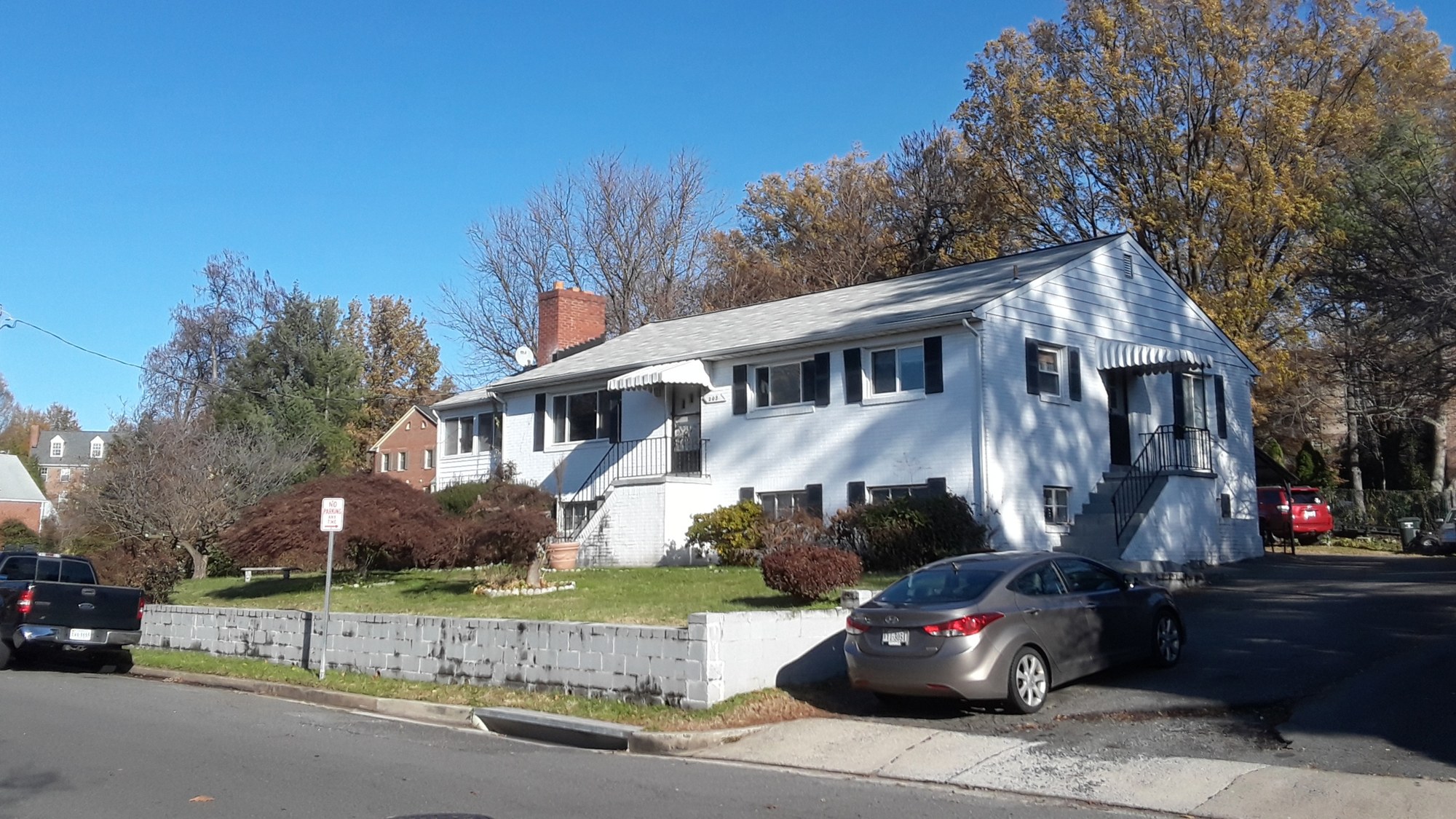
For most retirees, homeowners insurance is not an optional line in the budget. A mortgage lender requires it, and even a paid-off house is too valuable to leave uncovered. That makes the latest figure hard to sidestep: the average annual premium has climbed to roughly $3,057, the fifth straight year of increases, and the pace of those increases is now running ahead of the cost-of-living raises that lift a Social Security check. The result is a fixed expense that keeps growing faster than the income meant to pay for it.
A five-year climb that keeps compounding
Home insurance was once a quiet, slow-moving bill. Over the past several years it has become one of the fastest-rising costs of owning a home. Each annual increase builds on the one before, so a household that felt the pinch two or three renewals ago is now paying meaningfully more for the same coverage on the same house.
The current national average sits near $3,057 a year, an increase of about 4% and the fifth consecutive annual rise, according to a 2026 home-insurance price analysis from Insurify. The same report flags that premiums are climbing faster than Social Security’s cost-of-living adjustments, which means the gap between the bill and the benefit widens a little more with every renewal cycle.
Averages also hide how uneven the burden is. Homeowners in regions exposed to hurricanes, wildfires, hail, and severe storms face premiums well above the national figure, and some have watched a single renewal jump by hundreds of dollars. For an older owner who has lived in the same house for decades, a policy that once cost a manageable amount can now rival a significant share of a monthly retirement income.
Free for readers: One number can cost or save you hundreds a month in retirement. The free Retirement Shield newsletter surfaces the ones worth knowing. Sign up free.
Why the bill keeps outrunning the raise
The disconnect comes down to two numbers moving at different speeds. Homeowners premiums have risen about 4% in the latest reading and have gone up every year for five years running. Social Security’s cost-of-living adjustment is tied to a measure of consumer prices and is meant to hold a benefit roughly even with general inflation, not to track the insurance market specifically.
Broader inflation has actually cooled, with consumer prices up about 3.5% over the year in the government’s latest Consumer Price Index reading. Insurance costs are climbing faster than that headline number because they are driven by their own pressures: heavier storm losses, higher rebuild costs for materials and labor, and reinsurance that has grown more expensive. So even a year when overall prices ease can still deliver a steep insurance increase, and the COLA calibrated to the broader basket does not keep up.
For a retiree, the arithmetic is unforgiving. A cost-of-living raise adds a set amount to each monthly check, and a chunk of that increase can be consumed by the insurance renewal alone, before a single other rising cost is counted.
What the squeeze does to a retirement budget
A working household can often offset a higher premium by earning more. A retiree living on Social Security and savings has a largely fixed income, so a bigger insurance bill has to be pulled from somewhere else, usually groceries, prescriptions, home maintenance, or the savings that are supposed to last through a long retirement.
Some older homeowners respond by raising the deductible to lower the premium, which trims the monthly cost but shifts more risk onto the household if a claim ever comes. Others reduce coverage or drop optional protections, a move that can leave a house underinsured at exactly the moment a disaster strikes. Each of these choices lowers the bill today at the cost of exposure tomorrow.
The pressure is sharper for owners who have paid off the mortgage and no longer have a lender requiring the policy, because the temptation to go without coverage grows just as premiums peak. Dropping insurance on a paid-off home puts the household’s single largest asset on the line against a fire or storm, a gamble that can erase decades of savings in an afternoon. For most retirees, the wiser path is to keep the coverage and work the premium down rather than abandon the protection.
Steps that can hold the cost down
The premium is not entirely fixed, and a few moves can bring it down without gutting the coverage. Shopping the policy across several carriers at renewal is the most direct lever, because insurers price the same house very differently and loyalty rarely earns a discount. Bundling home and auto coverage with one company often trims both.
Many insurers also offer credits that older homeowners overlook: discounts for a monitored security system, updated wiring or plumbing, a newer roof, or storm-hardening improvements such as impact-resistant windows. Raising a deductible is a legitimate option for a household with enough emergency savings to absorb the higher out-of-pocket amount, though it is a poor fit for one without a cushion. Reviewing the coverage limits to make sure they match the home’s actual rebuild cost, rather than an inflated estimate, can also prevent overpaying.
It is equally worth reading the renewal packet closely for changes that raise the household’s exposure even when the premium looks stable, such as a shift to actual cash value on an older roof or a new, separate wind or hail deductible. A lower headline premium that comes with weaker coverage is not a savings.
The bottom line
Homeowners insurance has quietly become one of the least escapable and fastest-rising costs a retiree faces. At about $3,057 a year and climbing for a fifth straight year, it is outpacing the raises built into Social Security, which means the bill claims a larger slice of a fixed income each renewal. Shopping the policy, capturing available discounts, and matching coverage to the home’s real replacement value will not reverse the trend, but they can keep a necessary expense from crowding out everything else in the budget.
This article was produced with AI assistance and reviewed before publication.
Free for readers: Social Security and Medicare change every year, and nobody sends you a memo. Our free Retirement Shield newsletter breaks down what changed and what to do. Get it free in your inbox.